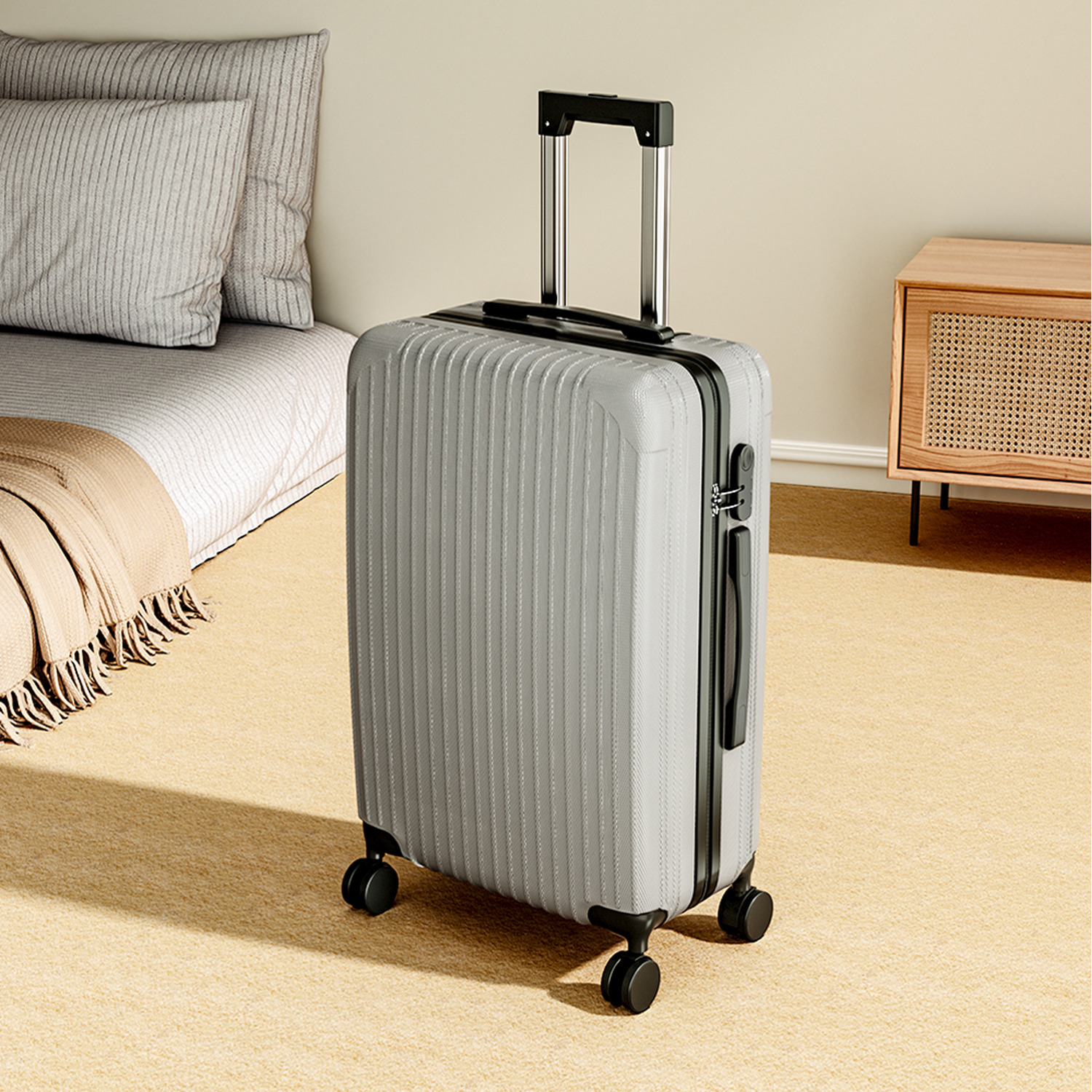
Mastering how you pack isn't about buying a bigger bag; it's about treating your luggage layout like an engineered floor plan. Every zipper, mesh pocket, and recessed channel inside modern luggage has a distinct mechanical purpose designed to keep your gear stable and accessible.
When you learn how to map your items to specific interior zones, packing stops being a game of guesswork. You'll eliminate dead weight, prevent crushed fabrics, and breeze through security lines without turning your bag inside out.
Why Suitcase Internal Architecture Matters
Traditional packing treats a suitcase as a single, open bucket where items shift, collide, and settle into a dense, disorganized mass by baggage claim. Modern hard-shell and soft-side luggage features intentional interior architecture that changes how gravity acts on your belongings.
Divided panels, compression straps, and wet pockets work together to distribute weight evenly across the frame. When weight is balanced near the wheels and base, your bag feels significantly lighter to pull or carry through busy transit hubs.
Internal zones also protect fragile electronics and separate high-moisture items from dry textiles. Understanding these built-in boundaries lets you stop stuffing and start organizing with intention.
Breaking Down Standard Luggage Zones
To master your bag, you need to recognize what each specific compartment is built to hold.
The Base and Telescopic Frame Channels
The floor of your suitcase contains recessed metal channels that house the telescopic handle mechanism. Most travelers lay clothes right over these bumps, creating awkward air pockets.
- Fill the narrow channels first with narrow, soft items like rolled socks, belts, or swimwear.
- Lay a flat layer over this foundation to create a smooth platform for larger packing cubes.
- Keep heavy footwear near the wheels at the base to maintain a low center of gravity.
The Compression Divider and Mesh Panels
The main compartment usually features a zippered mesh flap or cross-straps. Mesh panels let you identify contents at a glance while keeping bulky garments compressed against the floor. Use this zone for dense clothing items like jeans, sweaters, and hoodies that benefit from continuous pressure.
Lid Pockets and Wet Compartments
The inner lid lining is typically home to flat zippered pouches or waterproof pockets. These spaces are engineered for items you need to reach quickly, such as chargers, medication, documents, or damp swimwear. Because the lid bears less direct pressure when the suitcase closes, keeping delicate or flat items here prevents crushing.
Advanced Space-Maximizing Packing Strategies
Static compartments only do half the work. Pairing luggage architecture with micro-organization habits unlocks hidden capacity you didn't know you had.
Vertical vs. Horizontal Storage
Instead of stacking shirts in horizontal layers that force you to dig to the bottom, roll or fold garments vertically. When placed side by side inside a packing cube or open compartment, every single item remains visible and accessible without disturbing the rest of your clothes.
Strategic Peripheral Placement
Rigid accessories like belts and rolled ties waste central space if bundled in circles. Instead, snake long, flexible items along the outer perimeter walls of the suitcase interior, letting them tuck flush against the shell.
Utilizing Footwear Cavities
Shoes consume a massive amount of internal volume, but their interiors are completely empty. Stuff socks, chargers in small pouches, or undergarments inside your shoes before packing them. This trick preserves shoe structure during transit while reclaiming dead space. You can read more about structural packing efficiencies on the Eminent Luggage Guide.
Common Packing Mistakes to Avoid
Even seasoned travelers fall into habits that waste space and strain suitcase zippers.
- Over-compressing delicate fabrics: Forcing structured garments into tiny compression pouches introduces severe wrinkles that take hours to steam out at your destination. Reserve compression strictly for heavy fleece, cotton, and synthetic layers.
- Ignoring weight distribution: Packing heavy items near the top or lid makes the suitcase top-heavy, causing it to tip over and feel heavier in your hand. Always anchor heavy gear at the wheels.
- Leaving zero buffer room: Packing every compartment to 100% capacity leaves no space for souvenirs or dirty laundry on the return leg. Always designate one mesh pocket or expandable section for worn clothes. For further reading on minimalist travel standards, check out guidelines from the Transportation Security Administration.
Frequently Asked Questions
Should I use packing cubes inside divided luggage?
Yes. Even if your suitcase has a split clamshell design, packing cubes add an extra layer of modular organization. They prevent clothes from sliding across the central divider when you open the bag upright.
How do I stop my shoes from dirtying my clothes?
Always place shoes inside dedicated shoe bags or seal them in plastic liners before tucking them along the suitcase walls. Keeping footwear isolated protects your clean fabrics from sole debris and scuffs.
What goes in the clear or waterproof compartment?
Reserve waterproof or water-resistant pockets for liquids, gels, and damp items like swim trunks or a wet umbrella. This ensures an accidental leak stays contained rather than soaking through your wardrobe.
How do I pack delicate items like suits or dresses?
Use the garment section or lay formal wear flat across the largest compartment divider. Placing a layer of tissue paper between folds minimizes friction creases during transit.



