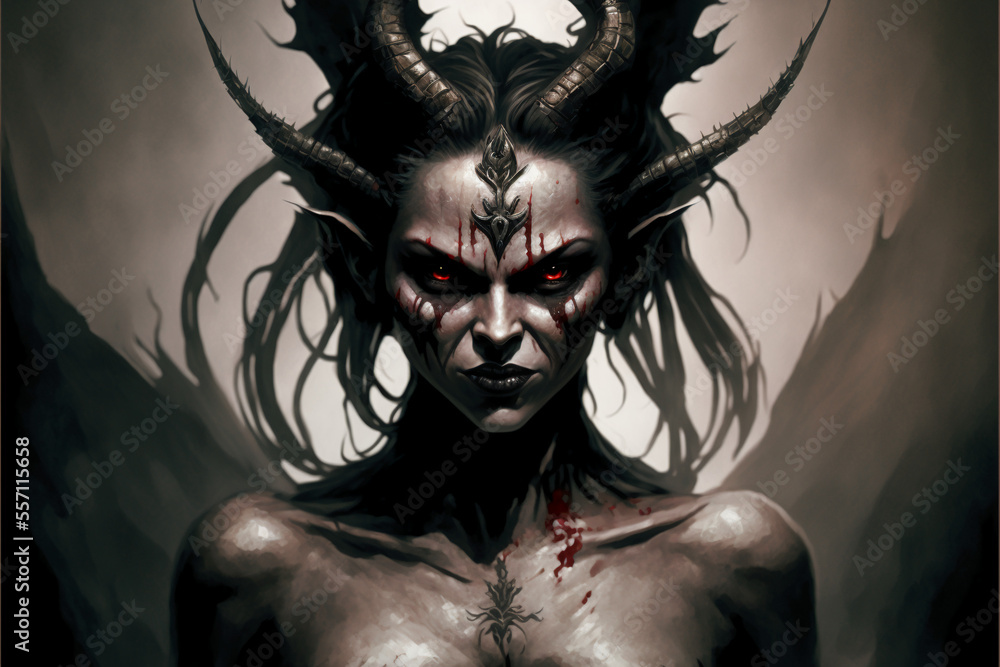
The succubus covenant sits at a fascinating crossroads where medieval demonology intersects with modern esoteric literature. It explores how ancient archetypes of nocturnal temptation evolved into complex theories of personal sovereignty and willpower. If you're examining how cultural fears of the supernatural shaped psychological frameworks around desire, this concept offers a unique historical lens.
Historically, ecclesiastical authorities viewed the nocturnal visitor not merely as a fictional specter, but as a literal agent of spiritual corruption. Over centuries, these theological warnings transformed. Writers and occult theorists reinterpreted the bond—often termed succubentum—as an allegorical framework for mastering internal drives, asserting psychological sovereignty, and confronting personal temptation.
Origins in Medieval Demonology
The roots of the succubus covenant trace back to late medieval religious texts and inquisitorial manuals. Clerics sought to explain sleep paralysis, intense temptation, and psychological distress through the lens of spiritual warfare.
- The Latin Etymology: The term derives from succubare, meaning "to lie beneath," designating an entity that visits sleepers.
- Ecclesiastical Warnings: Texts like the Malleus Maleficarum categorized these entities as threats to clerical celibacy and moral purity.
- The Shift to Allegory: Over time, philosophers and early psychologists began viewing these accounts as manifestations of internal anxieties rather than external physical invasions.
These early frameworks established the archetype of a pact built on surrender. Yet, contemporary esoteric philosophy flips this dynamic, examining how an individual might reclaim autonomy within such a metaphorical relationship.
Mechanics of the Succubentum Tradition
In modern esoteric discourse, the concept of succubentum describes a structured relationship with temptation. Rather than depicting absolute destruction, esoteric interpretations view the bond as a test of psychological fortitude.
The Anatomy of the Pact
Traditional folklore portrays pacts as transactions trading soul for power. In contrast, modern interpretations of the succubus covenant emphasize psychological negotiation.
- The Threshold of Intent: Entry into the covenant traditionally begins with acknowledging suppressed desires rather than suppressing them.
- The Sovereignty Seal: Symbolic markers—whether psychological boundaries or ritualistic sigils—represent an individual's commitment to maintaining self-control under pressure.
- The Test of Resilience: The core mechanism involves confronting intense emotional or physical cravings without losing personal identity.
Power Through Temptation
The core paradox of the tradition lies in converting vulnerability into strength. By leaning into temptation analytically rather than fearfully, practitioners of esoteric history argue that an individual maps their own psychological vulnerabilities. This approach draws heavily from Carl Jung's concepts of shadow integration, where acknowledging hidden parts of the psyche prevents them from acting unconsciously.
Cultural Evolution and Literary Impact
As societal views on sex, psychology, and autonomy shifted during the Enlightenment and the Romantic era, the imagery surrounding nocturnal spirits changed dramatically. Romantic poets and gothic novelists transformed the terrifying demon of medieval sermons into a tragic, alluring figure symbolizing forbidden knowledge and artistic inspiration.
- Romantic Literature: Writers utilized the archetype to explore deep-seated themes of obsession, isolation, and mortal limitations.
- Psychological Exploration: Early psychoanalysis reinterpreted nocturnal visitations as expressions of repressed libido and unconscious conflict.
- Modern Media: Contemporary fiction continues to adapt these covenants, shifting the narrative from religious damnation to themes of personal empowerment and moral ambiguity.
According to historical overviews from the British Library, early modern printing presses played a massive role in standardizing these tales, turning localized folklore into widespread cultural tropes. Similarly, academic databases like JSTOR provide extensive research on how demonological treatises influenced centuries of European art and literature.
Common Misconceptions About the Tradition
Misunderstandings frequently plague the study of esoteric pacts and folklore. Sorting historical reality from sensationalized fiction clarifies the true nature of these beliefs.
- Myth: Medieval villagers viewed these entities as physical beings roaming the streets by day. Reality: Folklore strictly confined these encounters to the realm of sleep, dreams, and psychological vulnerability.
- Myth: The tradition offers a literal guide for occult rituals. Reality: Most surviving texts serve as moral warnings written by clergy to enforce religious conformity.
- Myth: Modern interpretations endorse self-destruction. Reality: Contemporary analyses treat the framework as an exercise in mindfulness, emotional regulation, and shadow work.
Frequently Asked Questions
What is the primary origin of the succubus myth?
The myth originates in medieval European folklore and religious doctrine, where theologians attempted to explain nocturnal terrors, sleep paralysis, and moral temptations through spiritual frameworks.
How does succubentum differ from standard demonology?
While standard demonology focuses on external evil and damnation, esoteric interpretations of succubentum often use the concept as a metaphor for internal psychological integration and mastering personal desire.
Why do modern writers revisit these covenants?
Writers use the archetype to explore complex themes of human agency, temptation, and the psychological weight of secrets, making it a versatile tool for dramatic fiction.
Are there historical records documenting these pacts?
Historical records consist primarily of ecclesiastical court documents, witch-trial transcripts, and theological treatises rather than empirical evidence of actual pacts.



