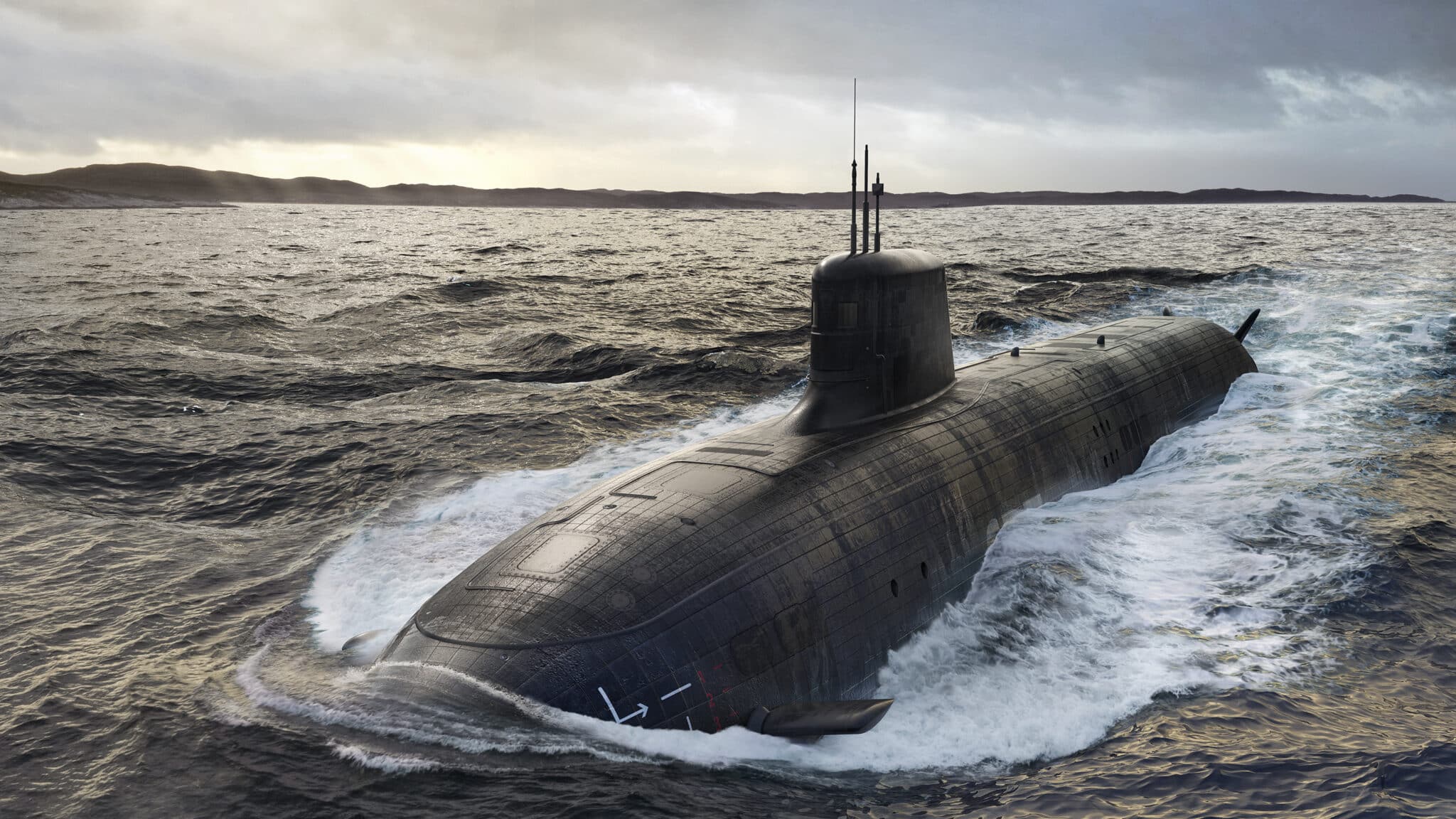
When people ask whether a submarine is classified as a boat or a ship, they're touching on centuries of naval tradition, engineering constraints, and maritime terminology. In naval terminology, submarines are traditionally referred to as "boats" rather than "ships," regardless of their massive size and nuclear propulsion plants. This designation persists because early underwater vessels resembled small craft that fit aboard larger surface combatants, and the tradition stuck even as modern submarines grew longer than a football field.
Understanding the difference between a submarine and a surface ship goes far beyond nomenclature. While both are watercraft operating in marine environments, their physical principles, propulsion, and operational domains are entirely opposed. Surface ships displace water to float and rely on the atmosphere for air-breathing engines, whereas submarines manipulate absolute buoyancy to submerge entirely, operating as self-contained enclosed ecosystems that can patrol beneath the world's oceans for months at a time.
Submarine vs. Ship: Core Design and Physics
The fundamental division between a ship and a submarine lies in hydrostatics and structural engineering. A surface ship features an open architecture designed to stay above the waterline. Its hull bears the weight of the superstructure, cargo, and crew while floating in equilibrium.
Submarines operate under entirely different physical constraints. A submarine relies on a double-hull structure. The inner pressure hull—typically constructed from high-yield strength steel like HY-80 or HY-100—must withstand the crushing hydrostatic pressure found hundreds of feet below the surface. According to the Naval History and Heritage Command, every 33 feet of depth adds roughly 14.7 pounds per square inch of pressure to the hull.
To submerge and surface, submarines use ballast tanks. When vents are open, water floods the tanks, increasing the vessel's weight and causing it to sink. To surface, compressed air forces the water back out of the tanks, restoring positive buoyancy. Ships cannot do this; if a ship takes on water inside its main hull compartments, it floods and sinks catastrophically, whereas a submarine's pressure hull is engineered to contain water only within specific, controlled ballast boundaries.
Propulsion Systems: Diesel-Electric vs. Nuclear
Power generation underwater presents unique engineering hurdles because combustion engines require oxygen. Early submersibles faced severe limitations until engineers developed dual-propulsion concepts.
- Diesel-Electric: Conventional submarines use diesel generators to charge massive battery banks while surfaced or cruising at periscope depth via a snorkel mast. Once submerged, they switch to silent electric motors powered entirely by those batteries. This restricts their underwater endurance to days or weeks depending on speed.
- Nuclear Power: Modern strategic and attack submarines use a nuclear reactor to generate heat, which turns water into high-pressure steam. This steam drives turbines that spin the propeller shaft. Because nuclear fission doesn't require atmospheric oxygen, these vessels remain submerged indefinitely, limited only by food supplies and crew endurance.
The U.S. Navy Fact File details how nuclear propulsion enables sustained underwater speeds exceeding 25 knots, transforming submarines from coastal defense craft into global power-projection platforms.
Internal Anatomy and Life Support
Stepping inside a modern military submarine reveals a cramped, highly optimized environment. Space is utilized with extreme efficiency. Torpedo rooms double as berthing spaces during transit, and control rooms pack sonar, navigation, and weapons control systems into tight, ergonomic quarters.
Life support requires closed-loop environmental control systems. Oxygen generators electrolyze seawater to produce breathable air, while scrubbers remove carbon dioxide. Fresh water is produced continuously using onboard evaporators and reverse-osmosis desalination units.
Crew members face intense psychological and physical hurdles. Sunlight is nonexistent, watches run on rotating 18-hour or rigid shift schedules, and living quarters offer minimal privacy. Despite these conditions, elite training pipelines forge tight-knit crews capable of operating complex machinery in high-stress environments.
Strategic Roles in Modern Navies
Submarines fulfill distinct tactical niches that surface fleets cannot replicate. Their primary advantage is stealth.
- Strategic Deterrence: Ballistic missile submarines carry intercontinental ballistic missiles, serving as a secure second-strike capability that deters major global conflict.
- Attack and Reconnaissance: Fast-attack submarines hunt enemy warships, gather electronic intelligence near hostile coastlines, and insert special operations forces using dry deck shelters.
Frequently Asked Questions
Why are submarines called boats instead of ships?
The tradition originated with early 20th-century submersibles that were small enough to be hoisted aboard larger surface battleships. Even though modern nuclear submarines match or exceed the tonnage of historical destroyers, naval tradition maintains the "boat" designation.
How deep can a military submarine dive?
Exact operating depths are classified for security reasons. However, most military attack submarines have a crush depth estimated between 1,500 and 2,500 feet, though standard operational depths are significantly shallower.
Do submarines have windows?
No. Windows create structural weak points vulnerable to extreme underwater pressure. Submarines navigate entirely via advanced sonar, inertial navigation systems, periscopes, and electronic sensors.
How do submarines communicate underwater?
Radio waves cannot penetrate deep water effectively. Submarines use Very Low Frequency (VLF) or Extremely Low Frequency (ELF) radio waves to receive basic messages while submerged at shallow depths, or they briefly raise an antenna mast to connect via satellite communication systems.