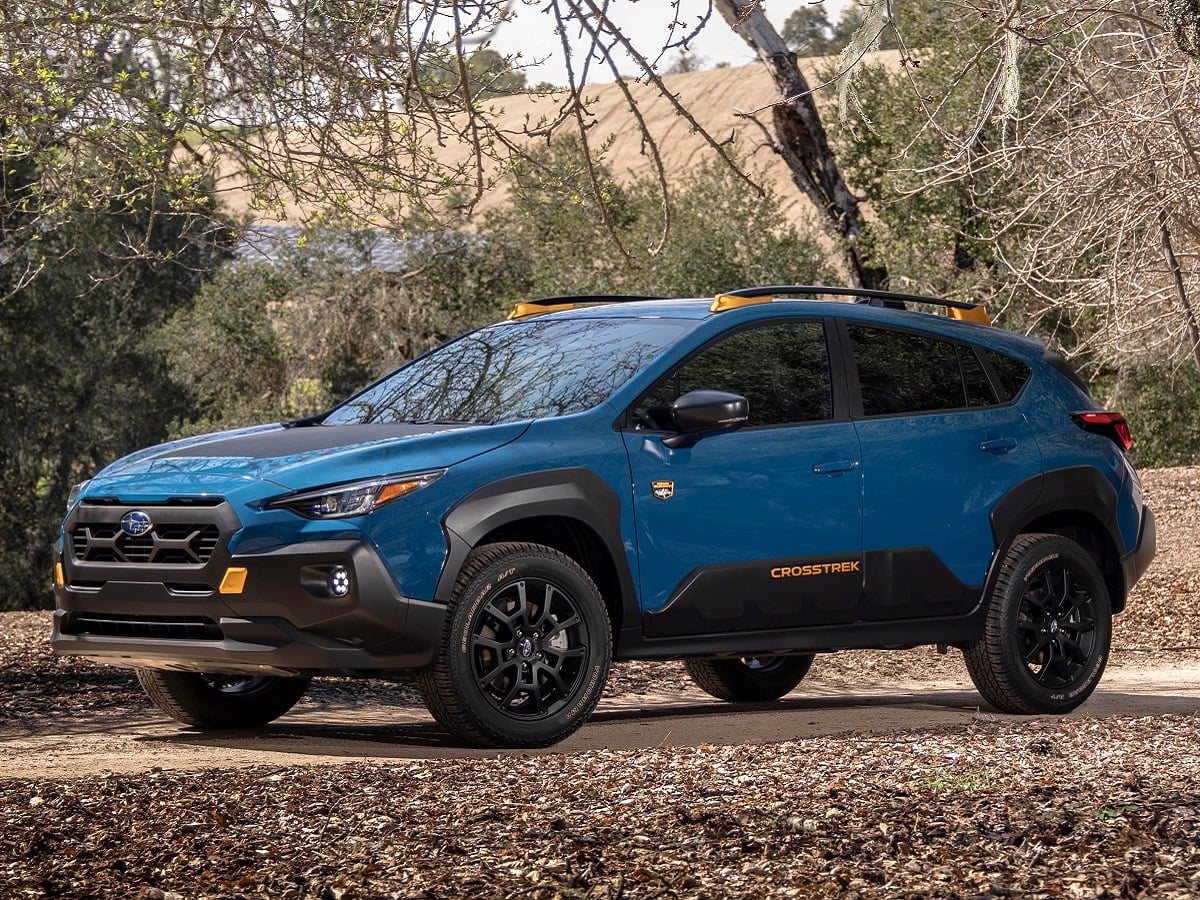
When you look at Subaru's lineup, you see a brand built around symmetrical all-wheel drive and horizontal boxer engines. But if you want something with actual track capability and sharper throttle response, you need to look past the standard daily drivers. Subaru's true performance models deliver engaging driving dynamics without losing everyday usability.
Let's clear up a common industry mix-up right away. Generic online sources often confuse technical acronyms or invent trims that don't exist in Subaru's official catalog. The actual performance hierarchy consists of legendary nameplates like the WRX, the rear-wheel-drive BRZ, and heritage-rich STI engineering. You won't find fictional factory systems like PSE or SCS in any dealership brochure; Subaru relies on proven mechanical hardware, turbocharged powerplants, and driver-focused chassis tuning.
The Core Performance Lineup
Subaru structures its enthusiast range around distinct platforms built for different driving styles. Whether you want a rally-bred sedan or a lightweight rear-wheel-drive coupe, each vehicle serves a specific purpose on the road or track.
Subaru WRX
The WRX stands as the mainstream icon of Subaru's performance identity. Rooted in decades of rally heritage, current models feature a turbocharged 2.4-liter boxer engine pushing out 271 horsepower. You get standard symmetrical all-wheel drive that provides immense grip in rain, snow, or dry pavement.
Power delivery is punchy, and the chassis feels planted through tight corners. If you choose the GT trim, you gain electronically controlled dampers that let you stiffen or soften the ride on the fly. You'll shift through a direct six-speed manual transmission, though a performance-tuned automatic option exists for drivers who want daily commuting ease.
Subaru BRZ
The BRZ breaks from traditional Subaru DNA by sending power exclusively to the rear wheels. Developed in partnership with Toyota, this lightweight sports car prioritizes cornering balance and driver feedback over raw straight-line speed.
It carries a naturally aspirated 2.4-liter boxer engine producing 228 horsepower. Because the car weighs under 2,900 pounds, it doesn't need massive horsepower to feel fast. The low center of gravity combined with a crisp six-speed manual shifter makes it one of the purest handling cars you can buy under $35,000. It's a favorite choice for autocross and track day enthusiasts.
Understanding the STI Legacy
While current production of standalone WRX STI sedans concluded its previous generation cycle, the STI badge remains the pinnacle of Subaru engineering history. STI (Subaru Tecnica International) components transformed stock chassis into track-ready weapons with reinforced transmissions, massive Brembo brakes, adjustable driver-controlled center differentials, and aggressive aerodynamics.
Many owners look to the aftermarket or past production models like the Subaru WRX STI to experience this level of mechanical engagement. The legacy lives on through performance parts and factory tuning accessories designed to elevate standard models.
Key Engineering Traits of Subaru Sports Cars
Subaru doesn't build sports cars by simply slapping a spoiler on a family hatchback. Their performance vehicles share core mechanical architectures designed from the ground up to handle high loads.
- Boxer Engine Architecture: The horizontally opposed cylinders sit low in the engine bay, dropping the car's center of gravity and improving stability during sudden directional changes.
- Symmetrical All-Wheel Drive: On all-wheel-drive variants, the drivetrain layout is balanced longitudinally, sending power evenly to all four wheels for predictable handling limits.
- Upgraded Braking Systems: High-performance trims use multi-piston calipers and vented rotors that resist brake fade during repeated hard stops.
- Chassis Stiffening: Factory bracing, thicker sway bars, and stiffer spring rates reduce body roll when you push hard through sweeping turns.
Choosing the Right Performance Subaru
Selecting the right vehicle depends entirely on where you plan to drive and what you want to feel behind the wheel. A commuter in a snowy climate has different needs than a weekend track driver.
If you deal with harsh winters and need a practical four-door sedan that handles grocery runs and gravel backroads with equal confidence, the WRX is your best match. It gives you all-weather traction and seating for five adults.
If you live where roads stay dry and you care more about apex-hunting, steering feel, and rear-wheel-drive balance, skip the sedans and test-drive the BRZ. It offers sharper handling feedback, though you give up rear seat space and all-wheel-drive security.
Common Mistakes When Buying a Used Subaru Performance Car
Shopping for a pre-owned performance Subaru requires extra caution. Many enthusiasts modify these cars, which can introduce reliability risks if the work wasn't done right.
- Ignoring Maintenance Records: Turbocharged boxer engines demand strict oil change intervals. Skipping maintenance leads to premature ring-land wear or bearing failure.
- Buying Heavily Modified Cars: Avoid vehicles with unverified aftermarket tunes, cheap boost controllers, or cut springs. Look for stock or lightly modified examples with documented service histories.
- Skipping Compression Tests: Always get a professional pre-purchase inspection that includes a cylinder compression and leak-down test to verify engine health.
Frequently Asked Questions
What fuel do Subaru performance models require?
Subaru performance models like the WRX and BRZ require premium unleaded gasoline (91 octane or higher). Using lower octane fuel can cause engine knocking and reduce power output.
Are Subaru performance cars reliable as daily drivers?
Yes, when maintained properly. Models like the WRX balance everyday usability with sports car performance, making them practical daily drivers for people who enjoy driving.
Do all Subaru performance models have manual transmissions?
No. While manual transmissions remain popular among purists, recent WRX and performance trims offer advanced automatic transmissions with paddle shifters for drivers who prefer two-pedal commuting.
How does the boxer engine improve handling?
The pistons move horizontally toward and away from each other, which cancels out secondary vibrations and allows the engine to sit much lower in the chassis. This lowers the car's center of gravity for better stability in corners.



