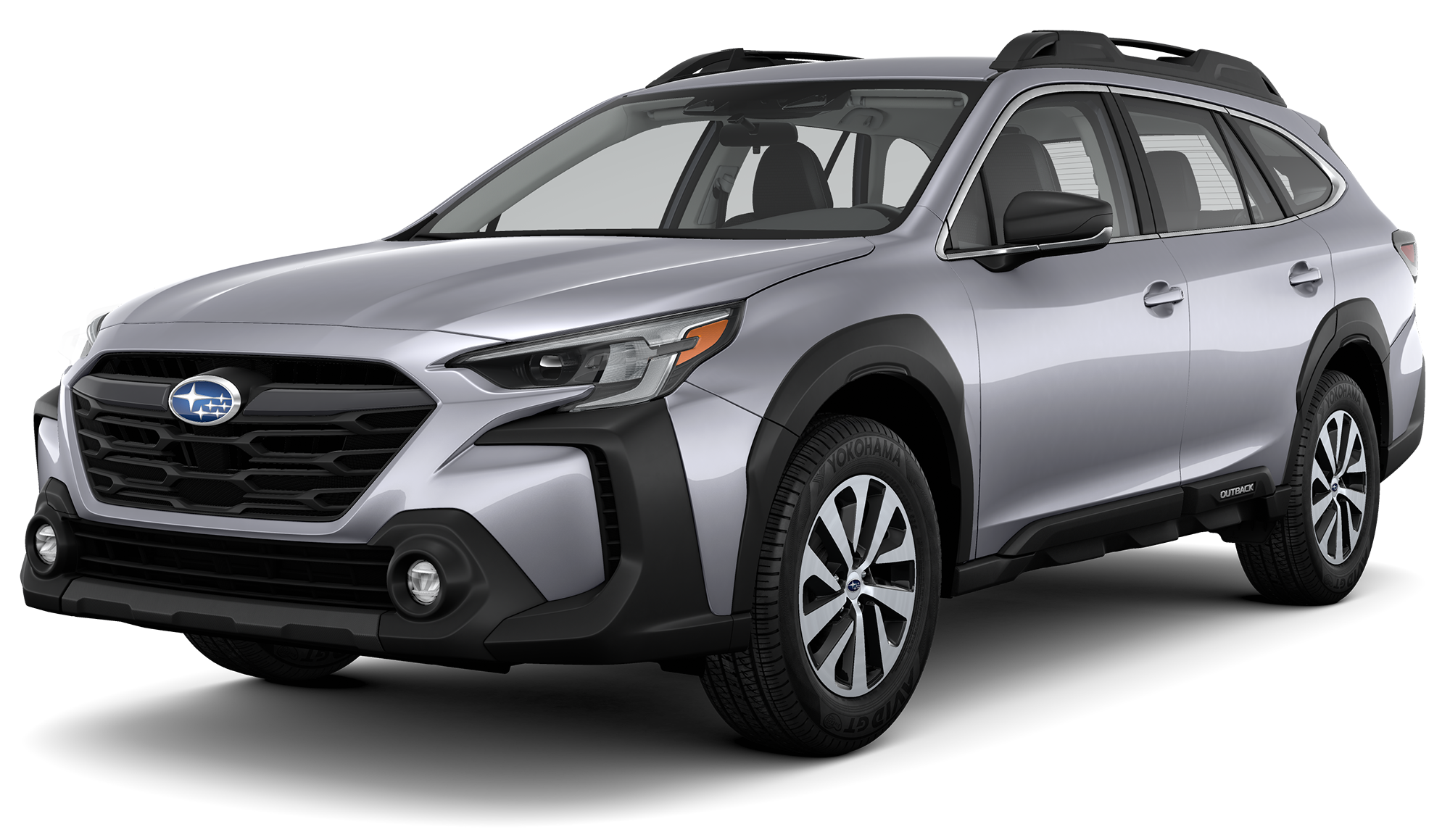
Subaru’s official country of origin is Japan, where its parent organization evolved out of mid-century industrial manufacturing roots. While the brand is now a global automotive fixture with production plants spanning continents, every vehicle still traces its lineage back to precision engineering concepts developed in Japanese workshops.
Understanding Subaru's journey requires looking beyond simple vehicle badges. The brand's identity was shaped by post-war economic shifts, aviation engineering principles, and a deliberate expansion into international markets that changed how all-wheel-drive consumer vehicles were built.
From Aviation Roots to Post-War Japanese Workshops
The corporate predecessor to Subaru was the Aircraft Research Laboratory, established in Japan in 1915 by Chikuhei Nakajima. This enterprise later became the Nakajima Aircraft Company, supplying planes for the Japanese military during World War II. Following the war, the Allied occupation forced the dissolution of massive industrial conglomerates (zaibatsu), splitting Nakajima into smaller corporate entities.
By 1953, five of these splinter companies merged alongside a newly formed distribution entity to create Fuji Heavy Industries (FHI)—which later officially rebranded as the Subaru Corporation.
Kenji Kita, the first CEO of FHI, envisioned a future in passenger car production. He selected the name "Subaru"—the Japanese term for the Pleiades star cluster—to represent the unification of the six companies that formed the corporate merger.
- The Subaru 1500 (1954): The company's first passenger car prototype, marking its entry into automotive manufacturing.
- The Subaru 360 (1958): A tiny, rear-engine kei car that motorized post-war Japan with affordable, efficient transportation.
- The Subaru 1000 (1966): Introduced the signature SUBARU BOXER engine and front-wheel-drive architecture.
Key Technological Milestones That Defined the Brand
Japanese engineering priorities heavily influenced how Subaru cars performed. Rather than following industry norms, engineers leaned into aviation-derived physics to solve stability and traction challenges.
Two major innovations set the brand apart globally:
- The Horizontally Opposed Boxer Engine: First introduced in 1966, the boxer engine places pistons moving side-to-side horizontally rather than vertically. This layout lowers the vehicle's center of gravity, improving cornering stability and balance.
- Symmetrical All-Wheel Drive: Rolled out across passenger models starting in the 1970s and 1980s, this full-time drivetrain layout pairs directly with the horizontally mounted engine to distribute power evenly across a balanced chassis.
Transition from Japanese Imports to Global Driveways
Subaru didn't stay confined to domestic Japanese roads for long. In the late 1960s, the company established American operations, introducing rugged, affordable four-wheel-drive station wagons to drivers in North America. Models like the Leone and later the Subaru Outback carved out a brand-new market segment: the adventure-ready passenger wagon.
As demand surged overseas, exporting every vehicle solely from Japanese plants became inefficient. To bridge the gap between Asian manufacturing hubs and Western consumer driveways, Subaru established international production facilities.
Where Subaru Vehicles Are Built Today
Manufacturing responsibilities are split between domestic Japanese facilities and international plants:
- Gunma and Yajima Plants (Japan): These primary Japanese facilities handle compact cars, sports models, and select export inventory. Vehicles like the BRZ, WRX, Impreza, and Solterra are manufactured here.
- Subaru of Indiana Automotive (SIA) (USA): Located in Lafayette, Indiana, this plant builds vehicles specifically tailored for the North American market, including the Ascent and specific trims of the Crosstrek and Forester.
Common Misconceptions About Subaru's Origins
- Mistake 1: Assuming Subaru is owned by Toyota. While Toyota Motor Corporation holds a significant minority stake (roughly 20%) in Subaru Corporation, Subaru operates as an independent automotive manufacturer with its own design, engineering, and corporate identity.
- Mistake 2: Believing all Subarus are still made exclusively in Japan. While the brand's heart and engineering leadership remain rooted in Japan, hundreds of thousands of vehicles destined for North American driveways roll off assembly lines in Indiana.
- Mistake 3: Confusing the logo meaning with airplane parts. The six stars in the Subaru oval emblem represent the cluster of stars, which also honors the corporate merger of the six companies that formed Fuji Heavy Industries—not a direct nod to airplane manufacturing units, though the engineering DNA carries over.
Frequently Asked Questions
Is Subaru a 100% Japanese brand?
Yes. Subaru's parent organization, Subaru Corporation, is headquartered in Tokyo, Japan, and the company's core automotive research and primary manufacturing infrastructure remain deeply tied to Japan.
When did Subaru start selling cars internationally?
Subaru entered the North American market in the late 1960s, introducing small, capable four-wheel-drive vehicles that gradually won over drivers in snowy and mountainous regions.
Are Subarus built in the US safer than the ones built in Japan?
No. Every Subaru manufacturing facility worldwide—whether in Gunma or Indiana—adheres to strict global quality control standards, unified safety frameworks, and structural engineering protocols.
Why do Subaru engines use the boxer design?
The flat, horizontal layout of a boxer engine allows it to sit lower in the engine bay, lowering the vehicle's overall center of gravity to improve handling precision and crash safety.



