When you picture Stevie Wonder, his signature sunglasses are as inseparable from his image as his piano or his soaring multi-octave voice. Across six decades of performing, the legendary artist has rarely appeared in public or on stage without dark eyewear. While casual observers might view them merely as a fashion accessory or a trademark stage costume, the reality behind Stevie Wonder's glasses is far more nuanced, tied to his journey with vision loss, personal identity, and sensory navigation.
Understanding why Stevie Wonder always wears glasses requires looking past surface-level assumptions and examining the medical, cultural, and personal history of a musical icon. Far from being a simple stylistic whim, his eyewear serves a functional and personal role that has evolved alongside his legendary career.
The Reality of Stevie Wonder's Vision Impairment
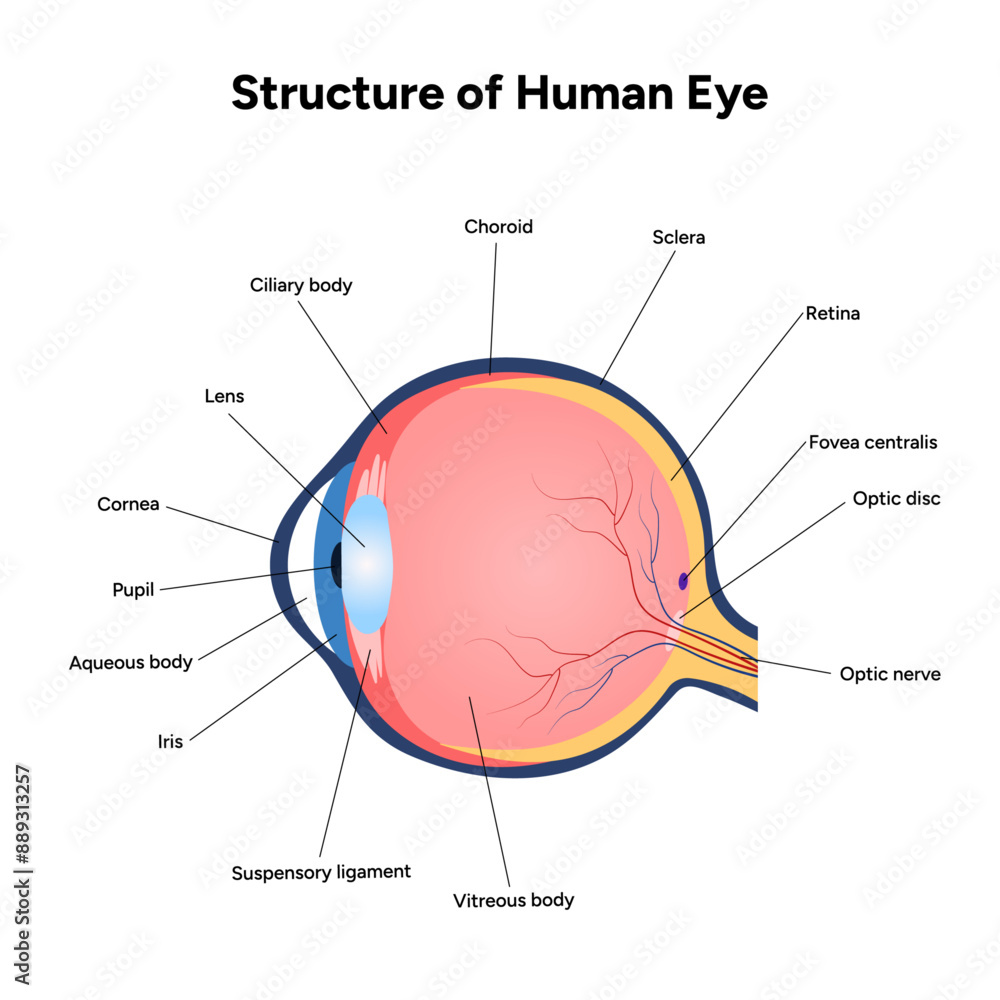
To understand his signature look, we first have to address his medical history. Stevie Wonder was born prematurely on May 13, 1950, in Saginaw, Michigan. Because of his premature birth, his blood vessels had not fully developed from the back of his eyes to the front, a condition known as retinopathy of prematurity (ROP).
When he was placed in an oxygen-rich incubator, the high concentration of oxygen accelerated abnormal blood vessel growth in his retinas, a common medical risk in neonatal care during the early 1950s. This resulted in detached retinas and permanent blindness.
Despite total blindness from infancy, Wonder never let his impairment define the boundaries of his capability. He learned to play piano, harmonica, and drums by age nine, and his phenomenal auditory perception allowed him to navigate the physical world with remarkable autonomy. When he stepped into the public eye as a child prodigy signed to Motown Records' Tamla label as "Little Stevie Wonder," his lack of sight was simply a fact of his life, not a barrier to his genius.
From Simple Shades to an Iconic Fashion Statement
In his earliest public appearances during the 1960s, Wonder did not always wear heavy sunglasses. Early promotional photographs and television performances sometimes showed him without dark glasses, or wearing standard clear-lens spectacles. However, as he matured into a creative force during the early 1970s—releasing masterpieces like Innervisions and Songs in the Key of Life—his aesthetic evolved.
During this period of artistic independence and bold self-expression, sunglasses became a central component of his visual presentation. He began experimenting with oversized frames, colorful lenses, and intricate custom designs that matched the vibrant, soulful era of 1970s fashion.
By consistently wearing distinct eyewear, Wonder took control of his visual presentation on his own terms. Instead of hiding his blindness or projecting vulnerability, the glasses projected confidence, mystery, and style. They became a visual anchor for fans across the globe, establishing an unmistakable silhouette that signaled greatness the moment he walked onto a stage.
Practical and Psychological Reasons for Constant Eyewear
While style played a major role, experts and those close to the music industry note several practical reasons why individuals with total blindness often wear dark glasses in public and performance environments:
- Light Sensitivity and Glare: Many people with ROP or damaged retinas experience extreme sensitivity to bright stage lights, camera flashes, and direct sunlight. Dark lenses provide essential physical comfort under harsh professional lighting setups.
- Facial Protection: Navigating crowded backstage areas, busy television studios, and concert stages filled with equipment involves physical hazards. Glasses act as a physical shield for the delicate eye area against accidental bumps or microphone stands.
- Social Comfort: For public figures, maintaining consistent eyewear creates a predictable boundary between their public persona and private vulnerability. It reduces intrusive staring and gives the wearer control over how they present their face to the world.
For Wonder, these factors combined to make sunglasses an everyday necessity rather than an occasional prop. Over decades, they transformed from a practical aid into an extension of his identity.
Rare Moments Without the Glasses
Because his eyewear is so ubiquitous, rare moments when Stevie Wonder has appeared without his signature glasses have generated immense public curiosity. Throughout his career, he has occasionally removed them during private moments, intimate interviews, or specific photo shoots, but these instances are exceptional.
When media outlets or fans obsess over these rare glimpses, it often highlights a societal discomfort with physical differences. Wonder has navigated his blindness with fierce independence and dignity, refusing to pander to pity or sensationalism. His choice to keep his glasses on is an assertion of autonomy—a reminder that his public image belongs entirely to him.
Cultural Legacy and Influence
Stevie Wonder's signature look has left a permanent mark on pop culture and fashion. His distinct frames inspired generations of musicians, artists, and fans who adopted sunglasses as a symbol of cool, introspective artistry.
Artists across genres—from soul and R&B to hip-hop and rock—have emulated his effortless cool. Yet, few have matched the authenticity behind the look. For Wonder, the glasses do not disguise who he is; they frame the visage of a man who perceives the world entirely through the transformative power of sound.
Ultimately, Stevie Wonder's enduring choice to wear glasses transcends fashion trends. It represents a lifetime of artistic mastery, personal autonomy, and an unshakeable presence that continues to define the landscape of modern music.
Frequently Asked Questions
Is Stevie Wonder completely blind?
Yes, Stevie Wonder has been blind since infancy, a condition caused by retinopathy of prematurity resulting from premature birth and oxygen administration in an incubator.
Did Stevie Wonder always wear sunglasses?
No. In his early years as a child prodigy at Motown during the 1960s, he occasionally appeared without dark glasses. He adopted his signature sunglasses style as he matured creatively in the 1970s.
Why do many blind people wear dark glasses?
Dark glasses are often worn by individuals with visual impairments to protect sensitive eyes from harsh glare and bright lights, shield the delicate eye area from physical bumps, and manage social interactions in public spaces.
Has Stevie Wonder ever performed without glasses?
While he has rarely appeared without them in public, his eyewear remains a permanent fixture of his stage presence and professional identity.



