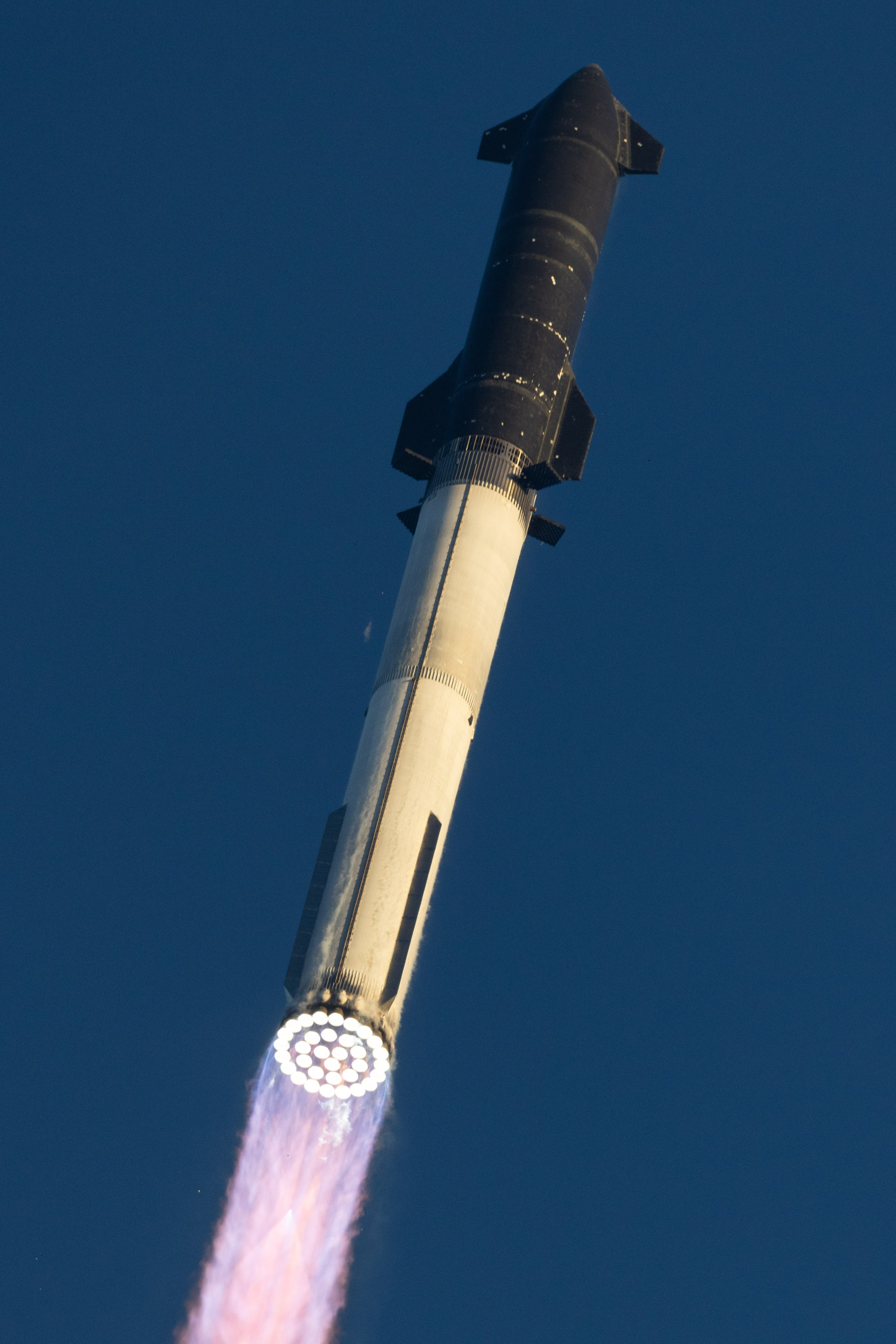
When comparing heavy-lift launch systems, Starship vs Saturn V represents the ultimate clash between two different eras of aerospace engineering. NASA’s historic Saturn V carried humanity to the Moon during the Apollo program, setting the gold standard for heavy-lift capability for over half a century. Meanwhile, SpaceX’s fully integrated Starship system redefines orbital architecture through massive scale, full reusability, and rapid iteration. While Saturn V remains a pristine symbol of 1960s technological triumph with a flawless crewed flight record, Starship pushes past those physical boundaries with more than double the thrust, completely shifting the economics of deep space access.
Understanding how these two titans stack up requires looking beyond simple height measurements into propulsive chemistry, staging philosophies, operational costs, and long-term utility. Let's break down how their raw engineering metrics, design constraints, and real-world capabilities compare.
Physical Scale and Dimensions
At first glance, both rockets dominate the launchpad like skyscrapers. However, their structural geometries and internal volumes differ significantly.
Saturn V stood at approximately 110.6 meters (363 feet) tall with a maximum diameter of 10.1 meters (33 feet) across its first stage. It was a three-stage expendable vehicle that tapered slightly toward the upper stages.
SpaceX's Starship system stands even taller, measuring roughly 121 meters (397 feet) with a uniform diameter of 9 meters (29.5 feet) across both the Super Heavy booster and the upper-stage spacecraft. Starship relies on a two-stage architecture, meaning every component is built on a massive, cylindrical scale without the heavy tapering seen in older Apollo-era vehicles.
Propulsion and Engine Technology
The raw power generated at liftoff dictates what each vehicle can push out of Earth's gravity well. The technological divergence between their engines highlights half a century of metallurgical and thermodynamic advancement.
- Saturn V First Stage: Powered by five massive Rocketdyne F-1 engines burning liquid oxygen (LOX) and RP-1 (refined kerosene). These generated a combined liftoff thrust of roughly 7.6 million pounds.
- Starship Super Heavy Booster: Powered by a dense cluster of 33 Raptor engines burning sub-cooled liquid oxygen and liquid methane (CH4). This first stage generates an unprecedented 16 to 17 million pounds of thrust—more than double the power of the Saturn V.
The shift from kerosene to methane on Starship brings distinct advantages, including cleaner burning properties that prevent soot buildup during rapid reuse, making multiple flights per booster economically feasible.
Payload Capacity and Mission Profiles
Lifting heavy cargo to Low Earth Orbit (LEO) or trans-lunar trajectory defines a rocket's core utility.
Saturn V could deliver roughly 140 metric tons to Low Earth Orbit and about 50 tons to trans-lunar injection, lofting the Apollo Command, Service, and Lunar Modules directly toward the Moon on a direct trajectory without orbital refueling.
Starship targets a payload capacity of 100 to 150 metric tons to LEO in its fully reusable configuration, with potential for higher capacities if flown expendably. However, Starship's true power for deep space missions relies on orbital propellant transfer. By rendezvousing with tanker variants in Earth orbit, a lunar-configured Starship can refuel its tanks completely, enabling it to transport up to 100 tons directly to the lunar surface or onward to Mars.
To learn more about historic heavy-lift engineering milestones, visit the NASA History Program Office. For current updates on flight test schedules and orbital milestones, check the official SpaceX Updates.
Reusability Versus Expendable Architecture
The most profound philosophical difference between the two systems lies in lifecycle economics.
Saturn V was entirely expendable. Every single flight consumed billions of dollars worth of custom-engineered hardware that fell into the ocean after a few minutes of use. This made Apollo-era exploration extraordinarily expensive, contributing to the cancellation of the later Apollo missions.
Starship is designed from the ground up for full reusability. The Super Heavy booster is engineered to return to the launch site to be caught by mechanical arms (chopsticks), while the Starship upper stage is designed to execute controlled re-entry and vertical landing maneuvers. If successful at scale, this capability drives down the cost per launch by orders of magnitude compared to historic expendable architectures.
Common Misconceptions in Heavy-Lift Comparisons
When space enthusiasts debate these two vehicles, several persistent myths tend to cloud the engineering reality:
- Myth: Saturn V is physically larger than Starship. While Saturn V had a slightly wider base diameter, Starship is taller, significantly heavier at liftoff, and features a much larger pressurized internal cargo volume.
- Myth: Starship has already matched Saturn V's operational reliability. Saturn V flew 13 times with a 100% success rate for its missions. Starship is an evolving development system that undergoes rapid flight testing, meaning its operational legacy is still being written.
- Myth: Orbital refueling is optional for Starship lunar missions. Unlike Saturn V, which could throw its payload directly to the Moon in a single push, Starship's massive dry mass requires orbital refueling to brake into lunar orbit and land safely with heavy cargo.
Frequently Asked Questions
Which rocket is more powerful at liftoff?
Starship's Super Heavy booster generates roughly 16 to 17 million pounds of thrust using 33 Raptor engines, making it more than twice as powerful as the Saturn V's 7.6 million pounds of thrust.
Why did Saturn V use three stages while Starship uses two?
Saturn V utilized three distinct stages to optimize mass fractions for deep space injection using 1960s metallurgy and liquid hydrogen technology. Starship achieves orbital insertion with two stages by leveraging high-efficiency methane-oxygen combustion and advanced lightweight stainless steel construction.
What is the projected cost difference per launch?
Adjusted for inflation, each Saturn V launch cost upwards of $1.5 billion. SpaceX's long-term operational target for Starship is to drive marginal launch costs down to a fraction of that through full reusability.
Has Starship flown crewed missions like Saturn V?
No. Saturn V successfully carried human crews to the Moon across multiple Apollo missions. Starship's human-rated and Artemis-conforming variants are currently undergoing rigorous flight testing and development phases.



