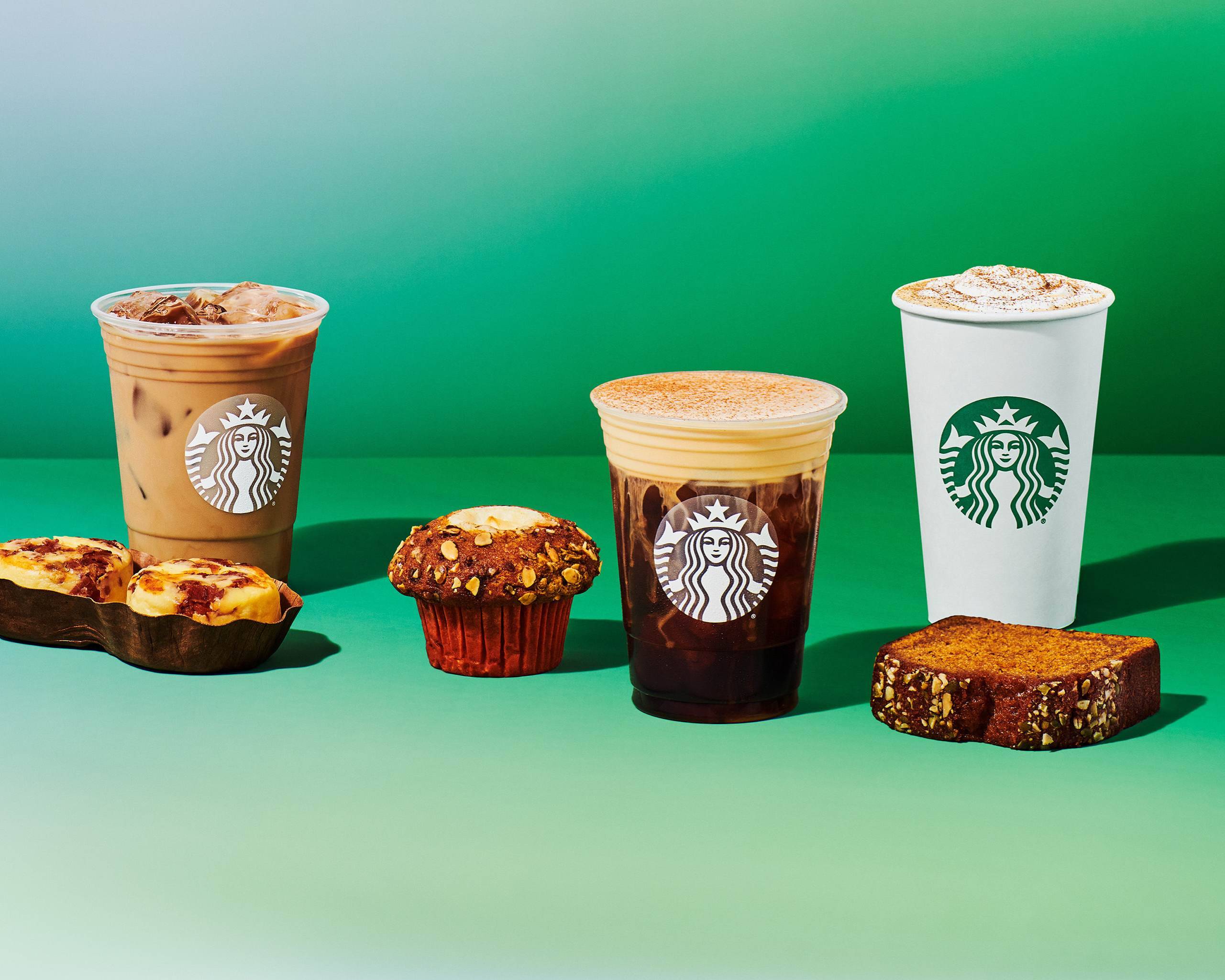
The Starbucks Grande is a sixteen-ounce cup that serves as the baseline for the chain's hot beverages and most menu calculations. Understanding this standard size helps you evaluate fluid volume, caffeine delivery, and cost efficiency before placing your order.
When you order a hot Grande beverage at Starbucks, you receive sixteen fluid ounces (473 milliliters) of liquid. For cold drinks, the cup holds sixteen fluid ounces by volume, but ice displaces a significant portion of that space, leaving roughly twelve to thirteen ounces of actual beverage. This distinction matters when you're tracking sugar, milk, or caffeine intake across iced lattes and cold brews.
Volume, Measurements, and Ice Displacement
The physical dimensions of a Grande cup dictate how ingredients interact. In hot drinks, the sixteen-ounce capacity provides enough room for standard espresso shots, steamed milk, and foam without overflowing.
Cold beverages present a different mathematical reality. A Grande iced coffee or iced tea contains sixteen fluid ounces total, but standard cup filling practices include a scoop of ice that fills the vessel to the top rim. If you want more actual liquid, you can request "light ice" or "no ice," though you'll receive a splash of extra milk or water to fill the remaining space unless you specify otherwise.
- Hot capacity: Exactly 16 fluid ounces (473 ml).
- Iced capacity: 16 fluid ounces total container volume, reduced by approximately 25% due to ice displacement.
- Milk pitchers: Baristas steam milk in dedicated pitchers where the Grande fill line guarantees proper microfoam texture for lattes and flat whites.
Caffeine Content Across Popular Beverages
Caffeine levels in a Grande vary wildly depending on whether you're ordering brewed coffee, espresso, or tea. A standard Grande Pike Place Roast brewed coffee contains about 310 milligrams of caffeine. This high concentration results from the extended extraction time of batch-brewed drip coffee.
Espresso-based drinks like a Grande Caffè Latte or Cappuccino typically contain two shots of espresso, delivering roughly 150 milligrams of caffeine. Even though the total fluid volume of a latte is sixteen ounces, the milk dilutes the total caffeine dose compared to straight drip coffee.
- Brewed coffee (Pike Place): ~310 mg
- Caffè Latte / Cappuccino (2 shots): ~150 mg
- Blonde Roast brewed coffee: ~360 mg (light roast beans retain slightly more caffeine by volume)
- Iced Shaken Espresso: ~225 mg (features blonde espresso shots plus standard blonde ristretto shots)
If you're sensitive to stimulants or monitoring your daily intake, remember that switching from a milk-based espresso drink to a drip coffee of the same size more than doubles your caffeine consumption.
The Economics of Ordering a Grande
From a pricing standpoint, the Grande occupies the middle tier of the Starbucks sizing menu, which spans Short (8 oz), Tall (12 oz), Grande (16 oz), Venti Hot (20 oz), Venti Iced (24 oz), and Trenta (30 oz, cold only).
When analyzing cost per ounce, the smallest sizes carry a higher price tag relative to the volume you receive. The Grande and Venti tiers offer better efficiency, but they also tempt customers into buying more liquid than they might actually want or need.
- Base Pricing: Grande sits as the default price point on digital menu boards and mobile ordering apps.
- Customization Fees: Adding alternative milks (oat, almond, coconut), extra espresso shots, or specialized syrups tacks on flat-rate fees that apply equally regardless of whether you put them in a Tall or a Venti.
- Rewards Integration: Starbucks Rewards members earn stars based on pre-tax spending, making the standard Grande a reliable baseline for accumulating digital currency toward free drinks or food items.
Common Ordering Mistakes to Avoid
Ordering a Grande efficiently requires avoiding a few common pitfalls that frustrate both customers and baristas during morning rushes.
The most frequent mistake is assuming iced drinks contain the same amount of actual beverage as hot drinks. Because ice takes up physical room, you are paying for sixteen ounces of container space, not sixteen ounces of coffee. If you want full value from your iced drink, ask for ice on the side or light ice.
Another error involves temperature expectations. A standard Grande latte is steamed to roughly 150°F to 160°F, which is optimal for milk proteins and immediate consumption. Requesting "extra hot" pushes the milk past 170°F, which can scald the dairy and alter the sweetness of the beverage.
- Forgetting milk ratios: Lattes and flat whites both come in a Grande, but a flat white uses ristretto shots and whole milk with microfoam, resulting in a distinctly bolder flavor than a standard latte made with 2% milk.
- Ignoring customization overload: Adding multiple pumps of syrup, drizzles, and foam toppings can turn a simple sixteen-ounce coffee into a 400-calorie dessert.
For official nutritional data and allergen disclosures, consult the USDA FoodData Central database or check the nutrition calculator provided directly by Starbucks.
Frequently Asked Questions
How many espresso shots come in a Grande?
Standard hot and iced espresso-based beverages, such as lattes, americanos, and macchiatos, come with two espresso shots in a Grande size. Shaken espresso drinks and iced flat whites may include additional blonde shots due to recipe specifications.
Is a Grande the same size for hot and cold drinks?
No. While a hot Grande holds sixteen fluid ounces of liquid, a cold Grande also holds sixteen fluid ounces by container volume, but that space is shared between liquid and ice cubes.
Why do some people consider the Grande a better value than a Tall?
The Tall size (twelve ounces) has a higher price-per-ounce ratio than the Grande (sixteen ounces). You receive 33% more beverage for a smaller percentage increase in price.
Can I get a Grande size in every drink category?
Almost every beverage on the menu is available in a Grande. The exceptions are certain seasonal specialty items restricted to specific sizes or the Trenta size, which is strictly reserved for iced teas, iced coffees, and cold brews.



