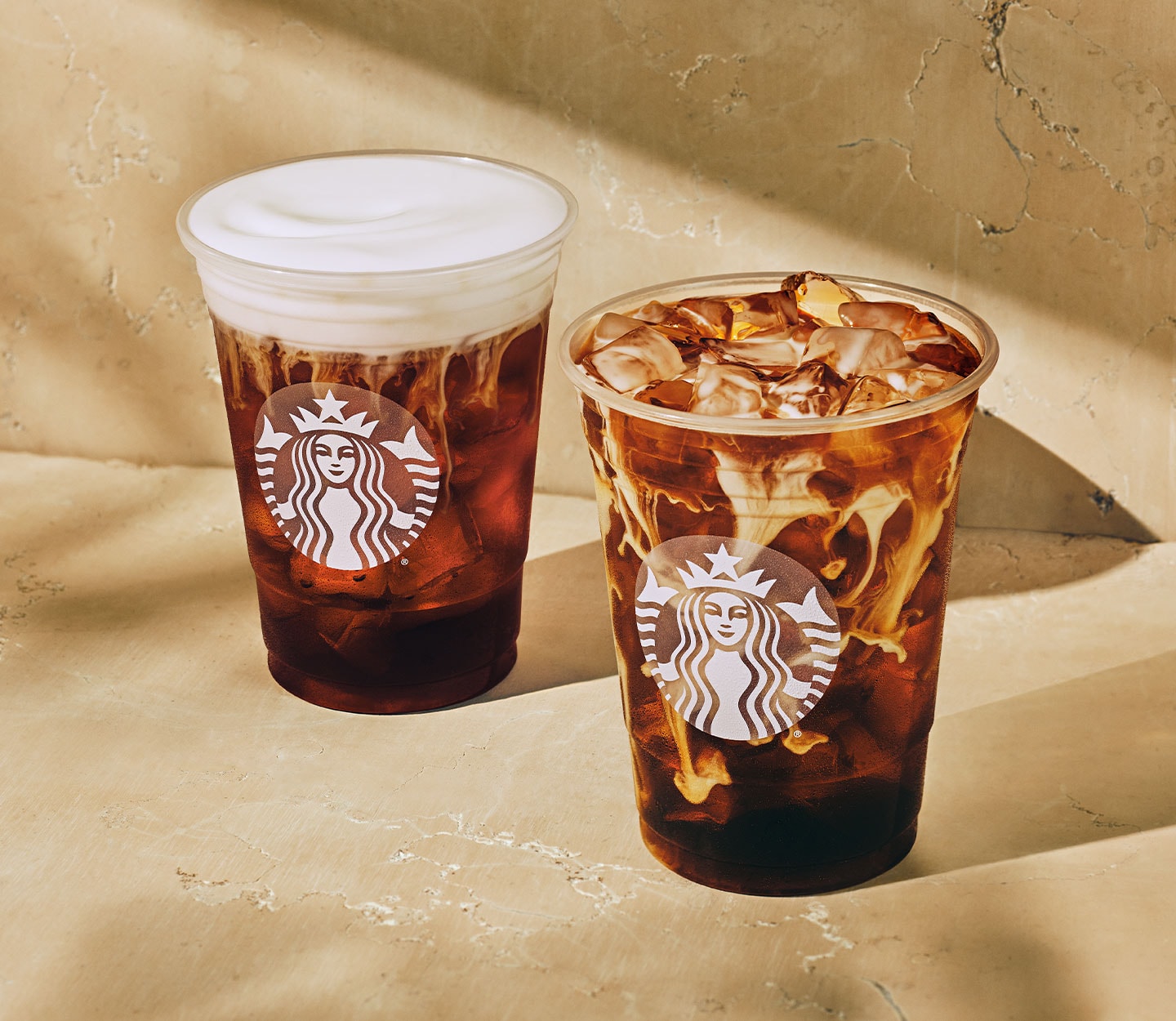
Starbucks cappuccino prices usually range from $4.35 to $5.95 across the United States, depending on your cup size and local market. A standard Grande (16 oz) cappuccino costs about $4.75 to $5.30 at most corporate-operated locations, matching the pricing tier of a traditional Caffè Latte. Because prices vary significantly based on whether you buy your drink in a high-cost metropolitan area, an airport kiosk, or via a delivery app, knowing the exact breakdown helps you avoid surprise charges at the register.
Understanding how Starbucks structures its hot espresso menu ensures you don't overpay for foam and milk. While lattes, flat whites, and cappuccinos share similar espresso bases, their milk ratios and pricing strategies differ slightly. Corporate locations update menu boards seasonally, and local sales taxes or franchise fees often bump up the final total.
Starbucks Cappuccino Pricing by Size
The Starbucks menu scales prices according to fluid ounces. Hot cappuccinos are served in three core sizes: Tall, Grande, and Venti.
- Tall (12 oz): Usually priced between $4.10 and $4.65. This size contains a single shot of espresso, making it the most affordable choice if you want a stronger coffee-to-milk ratio.
- Grande (16 oz): Typically ranges from $4.75 to $5.30. It features two shots of espresso and serves as the baseline size for most nutritional and cost comparisons.
- Venti (20 oz): Generally costs between $5.35 and $5.95. Despite the larger cup, a hot Venti cappuccino still only contains two shots of espresso by default, meaning you get more steamed milk and foam rather than an extra caffeine kick.
If you order a Venti, keep in mind that the extra volume is mostly air and foam unless you specifically request an extra shot. This makes the Tall or Grande a better value for your money if you want a balanced flavor profile.
Factors That Influence Your Final Total
Your local Starbucks doesn't always charge the exact same price shown on national menu trackers. Several operational variables shift the final cost of a cappuccino.
- Corporate vs. Licensed Stores: Company-owned stores follow regional corporate pricing. Licensed locations found inside target stores, grocery chains, airports, and hotels frequently inflate prices by 15 to 30 percent.
- Geographic Location: Stores in high-cost-of-living metropolitan areas like New York City, San Francisco, or Honolulu charge higher base rates than suburban or rural outlets in the Midwest.
- Customizations: Swapping out standard 2 percent milk for plant-based alternatives like oat milk, almond milk, or soy milk adds an extra charge, usually ranging from $0.70 to $0.80 depending on the market. Adding flavor syrups or extra espresso shots also increases the bill.
- Third-Party Delivery Apps: Ordering through services like Uber Eats or DoorDash introduces service fees, delivery markups, and inflated item prices that can make a single cappuccino cost over $8.00 before tips.
Cappuccino Versus Latte Pricing
Many customers assume cappuccinos cost less than lattes because they contain less liquid volume, but Starbucks prices them identically at most locations. Both drinks use the same quantity of espresso shots for Tall, Grande, and Venti sizes.
The primary difference lies in the preparation. A latte contains mostly steamed milk with a thin layer of microfoam, while a traditional cappuccino is split evenly into thirds: one-third espresso, one-third steamed milk, and one-third airy foam. Because the labor and ingredients are virtually identical, you won't save money by switching from a latte to a cappuccino. If you want to save money on hot espresso, a Caffè Americano is a cheaper alternative.
Common Mistakes When Ordering
Ordering a cappuccino can sometimes lead to frustration if you don't communicate your preferences clearly to the barista.
- Expecting a heavy cup: Because traditional cappuccinos are built with heavy amounts of foam, the cup will feel surprisingly light compared to a dense latte. Some customers mistakenly believe the cup is underfilled when it actually contains the correct volume.
- Forgetting to specify milk type: Standard Starbucks cappuccinos are made with 2 percent dairy milk. If you are lactose intolerant or prefer plant-based options, forgetting to ask for a substitution will ruin your drink.
- Paying delivery markups for a single drink: Ordering a single cappuccino via delivery app doubles or triples the cost due to service fees and delivery minimums. It's always cheaper to order ahead on the Starbucks mobile app and pick it up in-store.
Frequently Asked Questions
How many espresso shots come in a Starbucks cappuccino?
Tall sizes receive one shot of espresso, while Grande and Venti sizes both come with two shots of espresso by default.
Are hot and iced cappuccinos priced the same?
Starbucks does not traditionally serve an iced cappuccino on its permanent menu because iced milk does not foam the same way hot steamed milk does. Ordering an iced latte customized with extra foam is usually what people look for instead.
Why does my cappuccino feel light when I pick it up?
A true cappuccino is heavy on air-infused foam rather than liquid milk, which makes the cup feel much lighter than a standard latte or americano of the same size.
Can I use Starbucks Rewards stars to pay for a cappuccino?
Yes. A standard hot cappuccino qualifies for redemption under the standard tier rewards program at participating corporate stores, letting you use your accumulated stars for a free drink.