Nestled within one of Boston's most iconic architectural landmarks, the Starbucks location on Boylston Street offers coffee lovers a unique blend of modern cafe culture and historic New England grandeur. Situated in the heart of the Back Bay, this store sits at the base of celebrated postmodern architecture designed by John Burgee Architects with Philip Johnson, drawing a steady stream of locals, commuters, and architecture enthusiasts alike. Unlike standard cookie-cutter suburban drive-thrus, this urban cafe integrates directly into the historic fabric of Boston's streetscapes, providing an intriguing window into how global retail brands adapt to high-profile historical settings.
If you're planning a visit or simply curious about how this destination merges corporate design with municipal heritage, understanding its specific layout, neighborhood context, and operational nuances makes all the difference. This look inside the Boylston Street coffeehouse explores its exact setting, architectural background, peak hours, and what you need to know before stepping through the door.
The Architectural Context of Boylston Street
Boylston Street is no ordinary roadway. Stretching from the Public Garden through the Back Bay and into the Fenway, it serves as a timeline of Boston's commercial and architectural evolution. The stretch surrounding the mid-numbered and high-numbered Boylston blocks features classic brownstones right alongside heavy masonry and striking postmodern towers.
The specific building housing this prominent Starbucks location reflects the dramatic urban design shifts of the late 20th century. While historic preservation battles shaped much of the neighborhood's zoning laws, commercial tenants in these spaces have had to respect the heavy stone facades, grand archways, and pedestrian-heavy granite sidewalks that define the Back Bay.
Walking up to the storefront, you'll notice how the exterior respects the vertical rhythm of the street. Large glass panes frame the interior, allowing natural light to pour over bistro-style seating arrangements while maintaining a visual connection to the bustling pedestrian traffic outside.
Inside the Store: Layout and Atmosphere
Stepping past the threshold reveals a compact yet highly optimized footprint tailored for high-volume urban traffic. Because space in Boston's Back Bay comes at a premium, the interior layout relies on vertical lines, efficient ordering queues, and purposeful seating zones rather than sprawling lounge areas.
- The Ordering Counter: Positioned to manage incoming foot traffic smoothly, separating mobile pickup from walk-up registers.
- Digital Integration: Modern order status screens hang near the pick-up zone, reducing congestion by letting customers track their handcrafted drinks visually without crowding the baristas.
- Seating Zones: Limited counter seating and small-format tables line the windows, giving patrons a front-row seat to street life while keeping floor space open.
The aesthetic marries industrial metallic accents with warm wood tones, creating a welcoming atmosphere that feels distinct from standard suburban coffee shops. The lighting is balanced to soften the stark glare of city winters, offering a cozy retreat during chilly New England mornings.
Navigating Peak Hours and Commuter Flows
Timing your visit to this Boston cafe matters immensely. Because it anchors a major commercial and office corridor, the store experiences sharp rushes tied directly to the rhythms of the city.
Morning commuter rushes typically peak between 7:30 AM and 9:00 AM as office workers grab their morning espresso shots and drip coffees. A secondary mini-rush often occurs during lunch hours around 12:15 PM to 1:15 PM.
If you want to secure a seat, work quietly on a laptop, or enjoy a conversation without dodging a line of hurried professionals, aim for mid-morning between 10:00 AM and 11:30 AM, or during the mid-afternoon lull after 2:30 PM.
Menu Highlights and Local Favorites
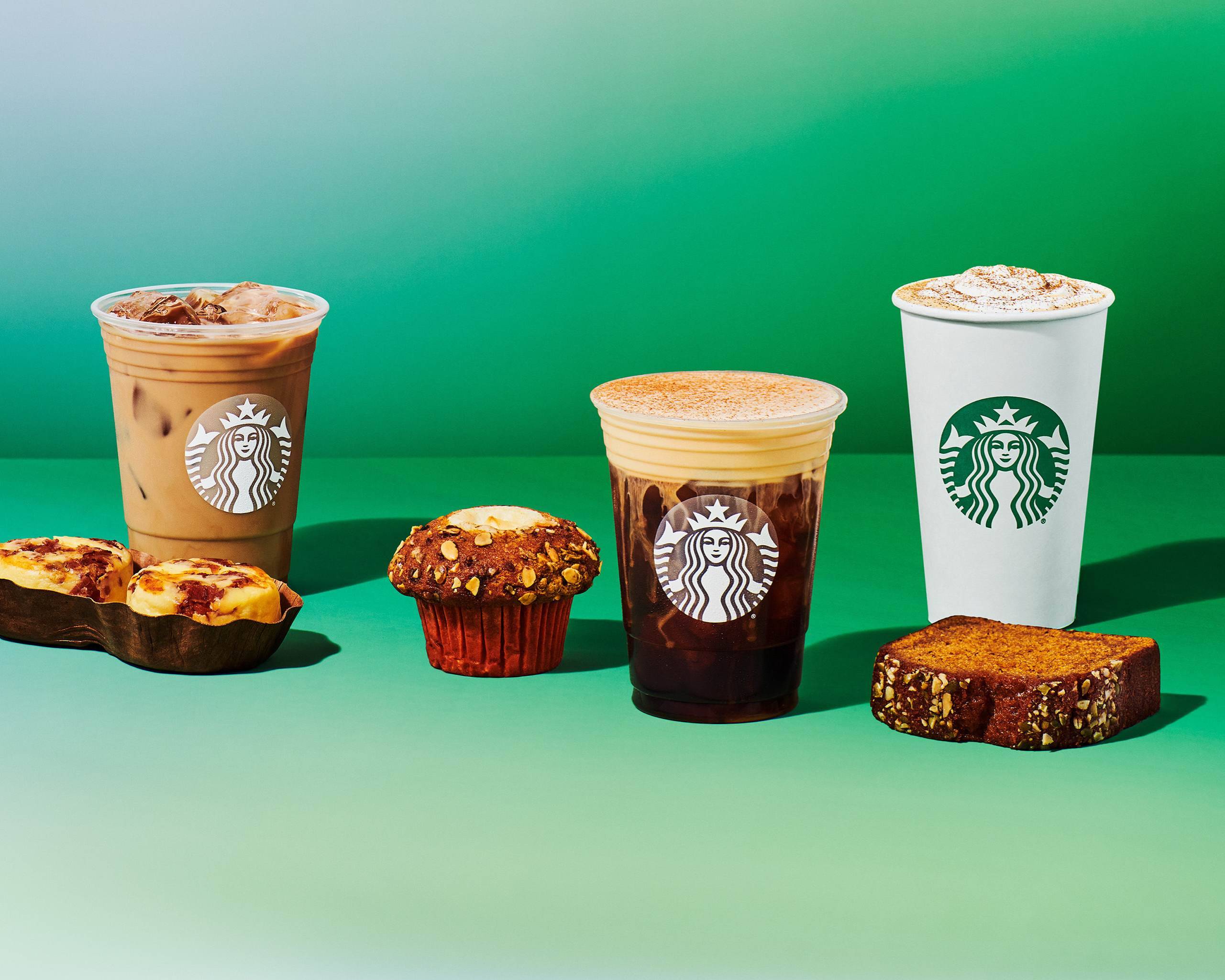
While the core menu mirrors nationwide offerings, patrons at this location lean heavily toward specific categories suited for urban walking and office environments:
- Cold Brew Variations: High-protein and vanilla sweet cream cold brews remain top sellers among local office workers rushing between appointments.
- Classic Espresso Drinks: Traditional flat whites and lattes ordered with oat or almond milk dominate morning receipts.
- Quick Bites: Protein boxes, warm breakfast sandwiches, and bakery items move rapidly during early shifts.
For an authoritative look at historical preservation guidelines governing commercial spaces in this district, you can review policies outlined by the Boston Landmarks Commission.
Common Mistakes to Avoid When Visiting
Navigating high-density urban coffee shops can be frustrating if you don't know local customs. Keep these practical tips in mind:
- Don't block the mobile order pickup area: Space is tight; step back once you've checked your drink name on the digital board.
- Don't rely on finding an empty four-person table: Seating is optimized for individuals and pairs. Snagging a large table for a group study session is rarely realistic here.
- Don't drive if you can avoid it: Street parking in the Back Bay is notoriously scarce and heavily restricted. Utilize the MBTA subway system (such as nearby Copley or Arlington stations on the Green Line) to arrive stress-free.
Frequently Asked Questions
Is this Starbucks considered a historic building itself?
While the brand operates out of a modern commercial space integrated into Boston's historic Back Bay district, the structure itself honors the surrounding architectural heritage rather than occupying a centuries-old colonial landmark.
Does this location offer mobile ordering?
Yes, mobile order-ahead is fully active here, making it a favorite shortcut for daily commuters who want to skip the physical register line.
Are there public restrooms available for customers?
Restrooms are generally reserved for paying patrons, and access codes or keys may be requested at the counter depending on store policies and local city regulations.
How close is the cafe to major Boston landmarks?
It sits within easy walking distance of Copley Square, the Boston Public Library, and the high-end retail hubs lining Newbury Street, making it an ideal pitstop during a walking tour.



