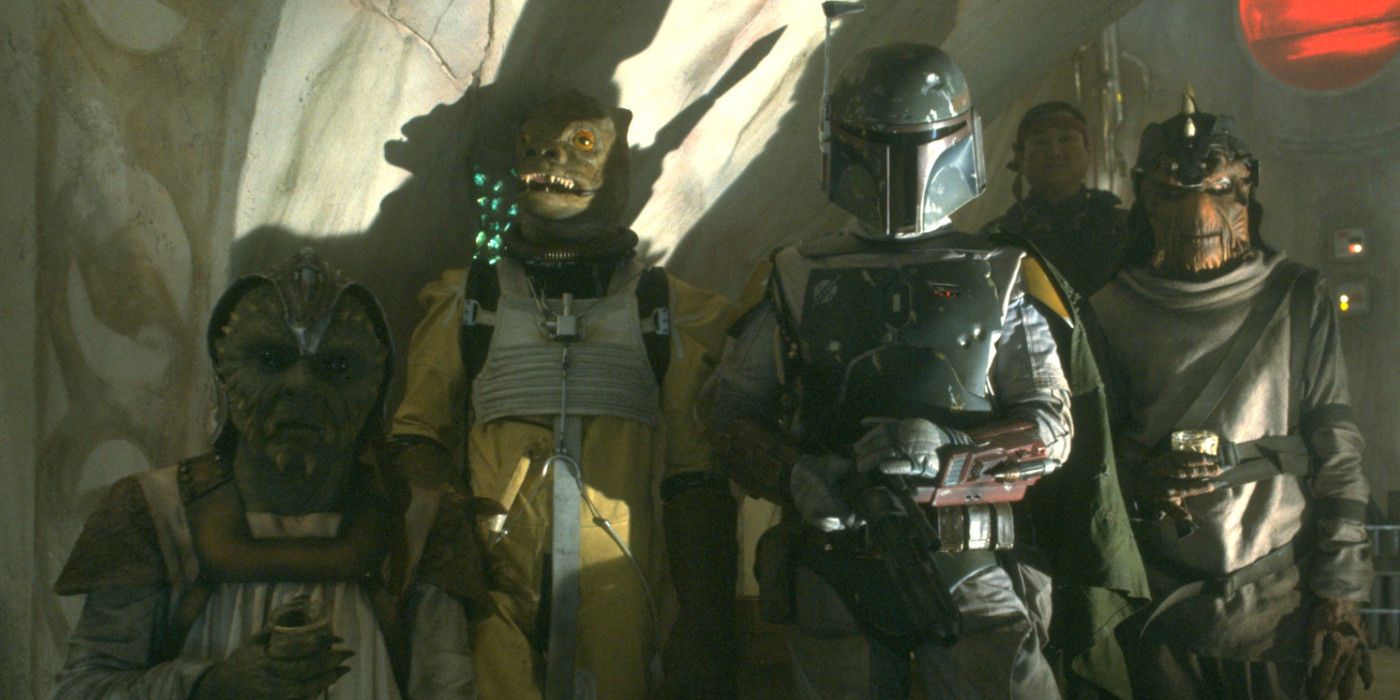
The Star Wars bounty hunter profession isn't just a collection of cool masks and blaster shots. It's an intricate, high-risk economic system operating in the margins of galactic politics. While the movies focus on iconic duels, the reality of tracking targets across the Outer Rim involves strict underworld contracts, heavy overhead costs, and constant survival math.
Understanding how these mercenaries function requires looking past the cinematic gloss. From guild regulations to equipment financing, the business of hunting targets in a galaxy far, far away operates on rigid rules that keep the profession alive despite its lethal nature.
The Economics of the Outer Rim Contracts
Bounty hunting is a capital-intensive trade. Hunters don't just pick up jobs on a whim; they operate within a structured network of brokers, crime syndicates, and planetary governments that dictate payouts and terms.
Contracts are categorized by risk, target value, and jurisdictional difficulty. A standard transport fugitive hiding on a civilized core world commands a modest fee due to local law enforcement assistance. Conversely, tracking a high-value political asset across hostile territory requires specialized starships, fuel reserves, and intelligence network bribes that eat heavily into initial profits.
- Upfront Costs: Securing a hyperdrive-capable vessel and heavy armor requires massive capital investments before a single job begins.
- Broker Fees: Guild intermediaries and independent fixers take substantial cuts to connect hunters with high-paying clientele.
- Collateral Damage: Most contracts hold the hunter financially liable for property destruction during a capture, turning sloppy work into a losing financial venture.
The Code and Guild Politics
Independence is a myth in the bounty trade. Most professional operators answer to formal or informal guilds that regulate disputes, set standards, and manage contract distribution. Operating outside these networks leaves a hunter vulnerable to rival syndicates and local law enforcement without backup.
The code dictates how targets are handled. Dead or alive clauses change the operational parameters entirely. Bringing a target in alive demands specialized restraint gear, secure holding cells aboard starships, and protection against rescue attempts by rival crews. When a contract specifies dead only, the job becomes faster but often triggers lower payouts and heavier scrutiny from local authorities.
According to historical records from the Star Wars Databank, structured groups like the Bounty Hunters Guild enforced rules to prevent turf wars that could draw unwanted attention from the Galactic Empire or the New Republic.
Specialized Gear and Technology
Survival in this profession depends entirely on hardware. A standard blaster and basic armor won't last long against well-armed syndicates or Jedi remnants. Hunters rely on customized weaponry tailored to specific hunting styles.
Beskar armor, utilized most famously by Mandalorian clans, represents the gold standard of physical protection. Its extreme durability against energy blasts and lightsabers changes how a hunter engages targets in close quarters. For ranged combat, heavy carbines like the EE-3 platform provide stopping power across varied atmospheric conditions.
- Tracking Systems: Long-range macrobinoculars and shipboard scanners locate thermal signatures across star systems.
- Mobility Tools: Jetpacks and grappling lines allow vertical traversal in dense urban environments like Coruscant or industrial yards on Bespin.
- Restraints: Carbonite freezing units offer secure transport for high-risk targets over long interstellar voyages without requiring daily feeding or guard duty.
Cultural Impact and Evolution in Media
The archetype of the interstellar mercenary evolved significantly from the original trilogy to modern streaming series. Early depictions framed characters like Boba Fett as silent, ruthless enforcers who spoke through actions and specialized gear.
Later storytelling expanded this archetype by introducing cultural frameworks, such as the Mandalorian Creed. This shift transformed the bounty hunter from a simple narrative obstacle for heroes into a complex character study examining honor, adoption, and survival in a lawless society. Viewers can explore comprehensive lore breakdowns on the Star Wars Official Site to see how these fictional cultures draw inspiration from real-world historical mercenaries and samurai codes.
Frequently Asked Questions
Do Star Wars bounty hunters always work alone?
Most professional hunters operate in small crews or maintain a network of informants and pilots. Solo work is common for simple pickups, but complex extractions require specialized skills like slice navigation and medical support.
What is the difference between a bounty hunter and a mercenary?
A mercenary fights in wars or security conflicts for a general wage. A bounty hunter focuses specifically on tracking, capturing, or eliminating individual targets tied to specific posted contracts or rewards.
Are bounty hunters legal within the Republic or Empire?
Their legality varies by jurisdiction. While core governing bodies often outlaw specific extrajudicial actions, both the Galactic Empire and local planetary systems routinely utilize licensed bounty hunters to handle targets outside official military reach.



