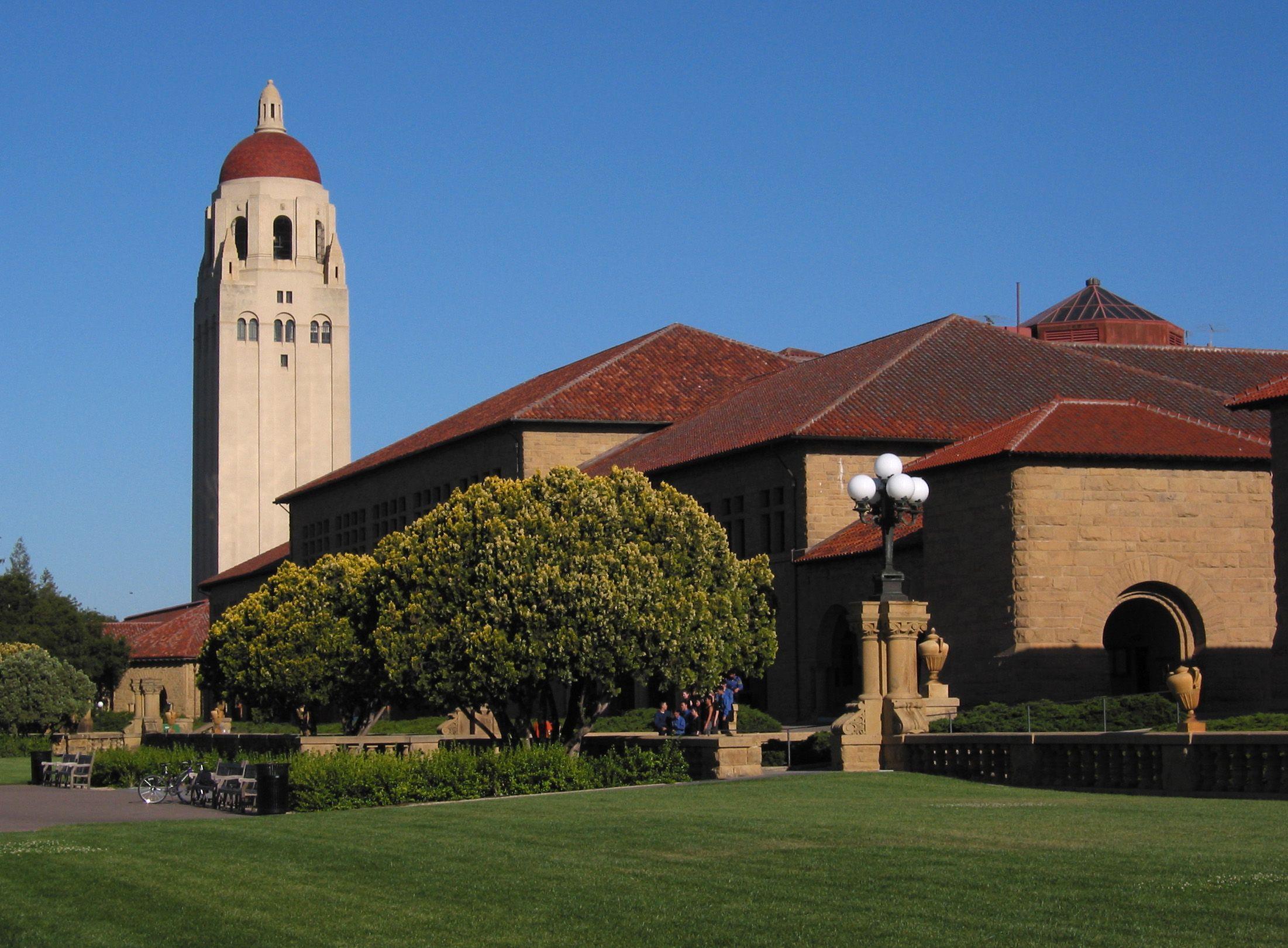
Finding high-resolution desktop backgrounds shouldn't feel like a chore. If you want to download official Stanford University wallpapers featuring iconic campus architecture, academic landmarks, and clean graphic art, you have several reliable repositories to check. Whether you're customizing a multi-monitor workstation or updating your phone's lock screen, getting crisp, high-definition imagery requires knowing where official and curated high-resolution assets live.
Official university branding guidelines, campus planning archives, and trusted media galleries offer direct pathways to download clean desktop and mobile assets. Instead of settling for compressed, low-quality JPEGs from random image boards, let's look at how to source, size, and set high-definition Stanford imagery correctly across all your devices.
Locating Official High-Resolution Campus Imagery
Sourcing clean imagery starts with the university's official public media resources. Stanford maintains public toolkits and photo libraries that provide architectural shots of the Main Quad, Hoover Tower, and Memorial Church without watermarks or heavy compression artifacts.
- Stanford News Service Galleries: The official newsroom publishes extensive photo galleries documenting campus life, seasonal changes, and historical architecture. These images are captured by professional staff photographers, ensuring accurate color grading and maximum resolution.
- Brand and Identity Guidelines: For minimalist graphics, vector logos, and cardinal red color palettes, check the official university identity portal. They supply approved digital assets designed specifically for presentations and desktop layouts.
- Virtual Meeting Backgrounds: Universities often host dedicated repositories for video conferencing backdrops. These horizontal compositions are pre-cropped to standard widescreen display ratios, making them ideal desktop wallpapers.
When downloading files from these repositories, always select the uncompressed format if available. PNG files preserve sharp lines on text and graphic logos, while high-bitrate JPEGs work best for complex architectural photographs containing natural lighting gradients. More reporting by The Verge delves into comparable views on the subject.
Optimizing Wallpapers for Desktop and Mobile Displays
Downloading a large image file doesn't automatically mean it will look great on your screen. Display scaling, aspect ratios, and color profiles determine how crisp your background appears once applied.
Matching Resolution to Your Screen
If your monitor runs at a 4K resolution (3840x2160 pixels), pulling a standard 1080p background will result in visible pixelation or blurry scaling. Always match or exceed your display's native resolution.
- Check your display settings in your operating system to confirm your exact pixel dimensions.
- Filter your image searches or repository downloads by exact dimension categories (such as QHD, 4K, or 8K).
- For ultra-wide monitors, look for panoramic shots of the Stanford Oval or Palm Drive that accommodate multi-aspect ratios without awkward cropping.
Handling Mobile and Tablet Scaling
Mobile screens require vertical aspect ratios, typically 9:16 or similar proportions. Using a horizontal desktop photo on a smartphone usually cuts off critical parts of the subject, like a building facade or monument. When choosing mobile backgrounds from collections like Unsplash or Pexels, look for portrait-oriented framing that centers key architectural elements vertically.
Common Mistakes When Setting Custom Backgrounds
Even high-end displays can look messy if background images aren't configured properly. Avoiding a few frequent pitfalls keeps your workspace clean and distraction-free.
- Ignoring Icon Legibility: Busy, high-contrast photos featuring complex tree branches or intricate tile patterns make desktop folder icons hard to read. Choose backgrounds with clean negative space, such as clear skies, neutral sandstone walls, or minimalist graphic designs, behind your primary icon grid.
- Using Heavily Compressed Files: Grabbing thumbnails directly from search engine result pages introduces artifacts and pixel smearing. Always click through to the source file hosting page to download the master asset.
- Incorrect Scaling Modes: Setting an image to "Stretch" or "Tile" distorts the aspect ratio of historic structures like Memorial Church. Always use "Fill" or "Fit" settings depending on whether you want edge-to-edge coverage or zero cropping.
Frequently Asked Questions
Where can I find official vector logos alongside photo wallpapers?
Official graphic standards and vector marks are hosted on the university's identity and branding portals. These resources provide clean PNG and SVG files for personal customization use.
Do these high-resolution downloads work on dual-monitor setups?
Standard single-monitor wallpapers will stretch awkwardly across two screens. To fix this, look for ultra-wide panoramic imagery (such as 5600x1440 or higher) or use your operating system's multi-display settings to assign separate images to each monitor.
Are these campus background images free for personal use?
Most publicly accessible news galleries and open stock platforms permit free downloads for personal desktop and mobile customization. However, commercial use or redistribution usually requires explicit clearance from institutional licensing offices.
How do I prevent my wallpaper from looking washed out on Windows or Mac?
Color profiles can occasionally misinterpret sRGB images. Ensure your operating system's display color management is set to the default profile recommended by your monitor manufacturer for accurate contrast and tone reproduction.



