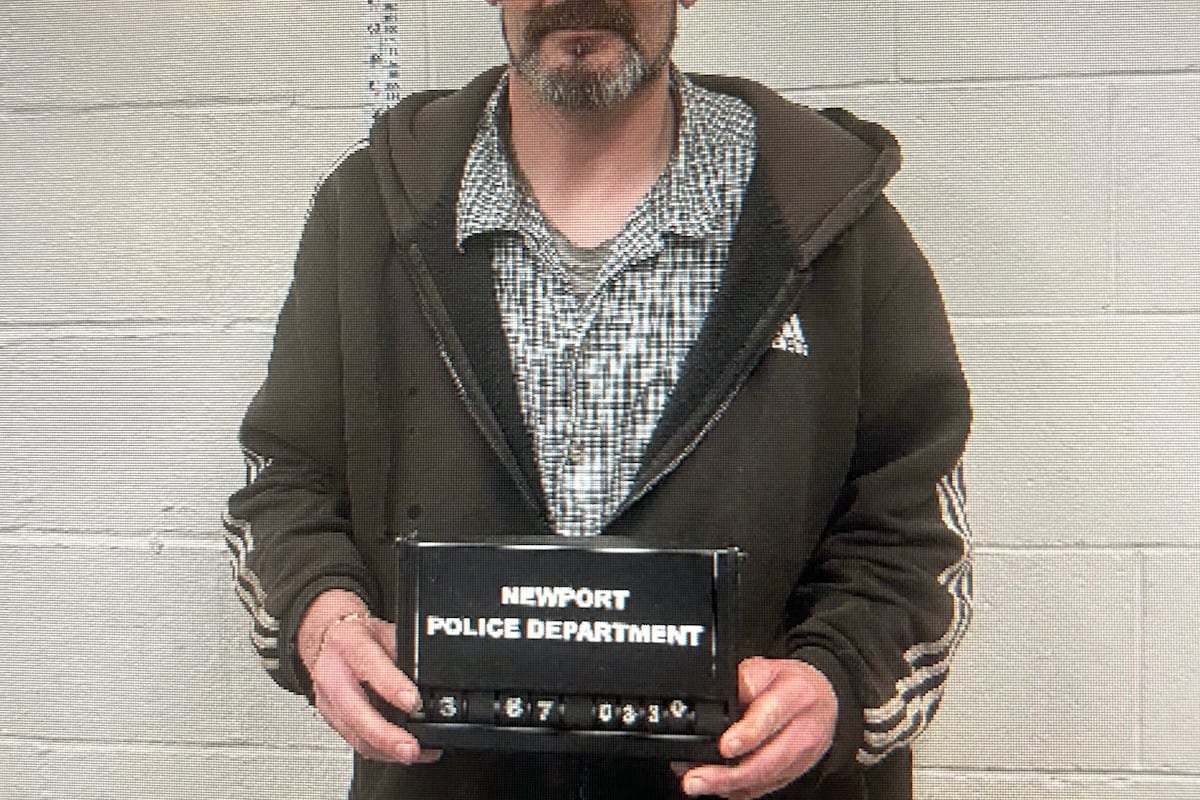
Digital archiving has fundamentally transformed how arrest data circulates, turning local booking photographs into viral internet commodities. When someone's booking image appears online within hours of an arrest, long before any trial or conviction occurs, it creates permanent digital scars. This speed alters public perception and challenges the core principles of due process.
Understanding how these images propagate requires examining the intersection of open-record legislation and modern data aggregation. We'll look at the mechanisms behind rapid publishing, the legal frameworks governing municipal records, and the practical consequences for individuals caught in the digital dragnet.
The Mechanics of Rapid Image Publication
Booking photographs, commonly called mugshots, originate from local law enforcement agencies like the St. Louis Metropolitan Police Department or the St. Louis County Police Department. Under open-records laws, these files generally qualify as public documents. Scraping scripts and commercial aggregators monitor police logs and jail rosters continuously.
When a new entry appears, automated systems capture the data and publish it across third-party hosting networks almost instantly. This rapid distribution bypasses traditional journalistic editorial standards. No context is added regarding whether charges were filed, reduced, or dismissed entirely. Further reporting by Bloomberg highlights comparable perspectives on this issue.
- Automated Scraping: Bots harvest booking logs from municipal feeds every few minutes.
- Immediate Indexing: High-authority domains rank quickly for individual names, pushing booking pages to the top of search engine results.
- Monetization Models: Commercial directories often charge fees to remove or obscure images, creating controversial revenue streams built on reputational damage.
Legal Frameworks and Public Access
Public access to government data serves a vital transparency function, ensuring that law enforcement operations remain accountable to the community. In Missouri, state statutes mandate that most records generated by public bodies remain open for inspection.
Yet, the framers of these transparency laws never anticipated automated commercial databases operating at a global scale. Balancing the public's right to know with an individual's right to privacy remains an ongoing legislative battle. Courts and lawmakers grapple with how to prevent predatory publishing practices without dismantling government accountability.
You can review official guidelines on state information access directly through the Missouri Office of Administration. For verified court case histories and docket updates, the Missouri Courts Case.net portal provides official tracking mechanisms that reflect case dispositions rather than just initial arrests.
The Collateral Consequences of Instant Exposure
The availability of rapid-fire booking images reaches far beyond the legal system, impacting everyday life in profound ways. An unconvicted person whose photo circulates widely online often faces severe hurdles long before stepping into a courtroom.
Employment screening procedures frequently rely on quick web searches. When a high-ranking booking page appears in search results, human resources algorithms or hiring managers may automatically disqualify candidates. This happens regardless of whether the charges were completely dropped due to mistaken identity or lack of evidence.
Housing applications suffer the same friction. Landlords performing routine background checks stumble upon old or misleading arrest photos, leading to immediate lease denials. Social isolation, psychological distress, and damaged personal relationships compound these professional roadblocks.
Navigating Removal and Reputation Repair
Dealing with published booking images requires a structured approach. Simply waiting for search engines to drop the pages rarely works, as commercial aggregator networks cross-link profiles to maintain high search visibility.
- Obtain Official Dispositions: Contact the relevant court clerk to secure certified documentation if charges were dismissed, dropped, or resulted in an acquittal.
- Submit Removal Requests: Many hosting sites maintain formal opt-out or removal procedures, though policies vary widely regarding fees and documentation requirements.
- Suppress Negative Results: Build positive, professional digital assets—such as verified professional profiles, portfolio sites, and community involvement pages—to push outdated or misleading records down in search engine rankings.
Official crime reporting standards and local law enforcement updates can also be tracked via the City of St. Louis Government Site, which details official public safety communications and records request protocols.
Frequently Asked Questions
Are all St. Louis mugshots automatically public record?
Most booking photos taken by local law enforcement agencies are part of the public record under state sunshine laws. However, juvenile records and certain confidential case files are strictly protected and exempt from public disclosure.
Why do third-party sites show mugshots for dropped charges?
Commercial aggregators scrape police logs at the moment of arrest. Because these sites rarely sync their databases with ongoing court outcomes, they often display obsolete arrest data long after charges have been dismissed.
Can I legally force a website to take down my booking photo?
Some states have enacted strict laws prohibiting commercial mugshot websites from charging removal fees, and many hosting platforms provide voluntary takedown requests if you supply proof of charge dismissal or expungement.
How do I check the actual status of a St. Louis criminal case?
Instead of relying on third-party photo directories, you can search official court dockets and final case dispositions using the Missouri judiciary's online case management system.



