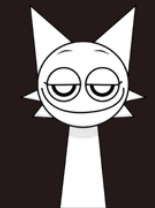
The Sprunki Pyramixed mod has taken the rhythm-mixing community by storm, bridging the gap between quirky audio composition and eerie visual storytelling. Building upon the massive success of the original Incredibox-inspired fan projects, this latest patch introduces an unsettling aesthetic shift that catches many players off guard. Instead of relying solely on upbeat loops, the creators injected a darker narrative arc into the character interactions, turning standard beatboxing mechanics into an atmospheric playground of creepy soundscapes and haunting design shifts.
If you've been wondering how this patch alters core mechanics, what triggers the hidden spooky states, or why the horror elements feel so effective, you're in the right place. Let's break down everything changed in the latest version, how the audio loops interact with the new visuals, and how you can master the updated sound grid without missing a beat.
Understanding the Pyramixed Phenomenon
To appreciate what makes the recent expansion stand out, you have to look at where the project started. Sprunki mods grew out of a massive desire for custom fan-made content within the Incredibox ecosystem. Players wanted heavier themes, custom character designs, and hidden easter eggs that pushed the boundaries of simple drag-and-drop beat creation. Pyramixed leaned heavily into ancient, mystical, and slightly dystopian motifs, setting the stage for an expansion focused on psychological tension and uncanny valley character transformations.
Unlike standard reskins that only swap out audio files, this update alters the actual behavioral feedback of the cast. When you drop a specific sound token onto a character icon, you aren't just adding a kick drum or a vocal synth; you might be triggering a transformation sequence that shifts the entire tone of your mix from playful to terrifying.
Deep Dive Into the Horror Animations
The core selling point of the recent patch is its overhauled animation engine. The developers spent considerable time refining how characters react when specific audio layers overlap.
- Uncanny Expressions: Idle animations now feature subtle, twitchy movements that make characters look less like cartoon icons and more like trapped entities. Eyes follow the cursor, or flicker blankly when certain heavy bass lines drop.
- Abrupt Transformation Triggers: Combining specific atmospheric loops with vocal tracks initiates sudden visual glitches. Characters don't just change clothes; their physical forms warp, reveal dark secrets, or take on menacing silhouettes.
- Atmospheric Lighting Shifts: The background interface dims dynamically based on the intensity of your composition. Heavy, dissonant chords pull the screen into a desaturated, shadowy palette, emphasizing the horror theme.
This visual storytelling works because it ties directly into user input. You control the pacing of the terror. If you keep the mix light and melodic, the animations remain relatively stable. The moment you stack discordant rhythm elements together, the game rewards your dark experimentation with genuinely unsettling visual payoffs.
Sound Design Meets Macabre Artistry
Music creation in this version relies on a carefully balanced audio library. The sound elements are split into distinct categories: beats, effects, melodies, and voices. Each category contributes to both the audio track and the visual state of the board.
+-------------------------------------------------------+
|                AUDIO COMPOSITION LAYERS               |
+-------------------+-----------------------------------+
| Beats             | Establishes the core tempo        |
| Effects           | Adds ambient dread and texture    |
| Melodies          | Drives the harmonic tension       |
| Voices            | Triggers character animations     |
+-------------------+-----------------------------------+
When building a track, you'll notice that the vocal tracks carry the heaviest animation weight. Dragging a voice icon onto a silent avatar often initiates the primary character transformation. Meanwhile, the ambient effects layer introduces wind chimes, low-frequency drones, or metallic screeches that prep the player for the horror elements.
How to Unlock Special Sequences and Easter Eggs
Finding every hidden animation requires systematic experimentation. Most players stumble into secrets by accident, but you can approach the grid strategically to uncover every hidden state.
- Clear the Board: Start with a clean slate to isolate individual character loops and learn their baseline audio and visual cues.
- Test the Vocal Layers First: Drop vocal icons onto avatars one by one. Observe how their posture and facial expressions shift before adding instrumentation.
- Layer Dissonance: Introduce minor-key melodies over heavy, distorted bass lines. This specific combination frequently triggers the secondary horror states and visual glints.
- Isolate the Final Element: Leave one slot open while you build a dense, chaotic mix. Dropping the final piece into that open slot often acts as the master switch for the most dramatic animation sequence.
Pay close attention to community hubs like the Incredibox Official Site for broader context on how fan communities expand rhythm mechanics, or check out creative discussions on platforms like Newgrounds to see how indie music games evolve through iterative updates.
Common Mistakes to Avoid
Players diving into this version often fall into a few traps that limit their experience. Avoiding these mistakes ensures you see everything the update has to offer.
- Muting the Background Audio: Some players lower the volume to focus on external music. Doing this ruins the experience, as the audio cues are tightly synchronized with the visual transitions.
- Rushing the Composition: Stacking all icons at once creates an overwhelming wall of noise and triggers overlapping animations that obscure the detailed art work. Build your track progressively.
- Ignoring Character Placement: Certain visual synergies depend on which avatar holds which sound token. Swapping roles between characters yields entirely different animation outcomes.
Frequently Asked Questions
What makes the horror animations in this update different from previous versions?
Previous iterations focused primarily on clean musical loops with minor aesthetic changes. This update introduces dynamic, narrative-driven character transformations that react directly to dissonant sound combinations, creating a much darker atmosphere.
Do I need prior music production experience to play?
Not at all. The interface relies on simple drag-and-drop mechanics. The system automatically snaps your chosen loops to the master tempo, ensuring your mix sounds cohesive even while you experiment with scary sound effects.
Can I save or export my custom horror mixes?
Yes. The built-in sharing and recording tools let you capture your unique audio-visual compositions so you can share your custom horror tracks with friends or community forums.
Are the horror elements suitable for younger players?
While the game maintains a stylized, cartoonish horror aesthetic rather than explicit gore, the sudden visual shifts and eerie atmosphere are designed to startle. Younger players sensitive to spooky imagery should approach it with caution.



