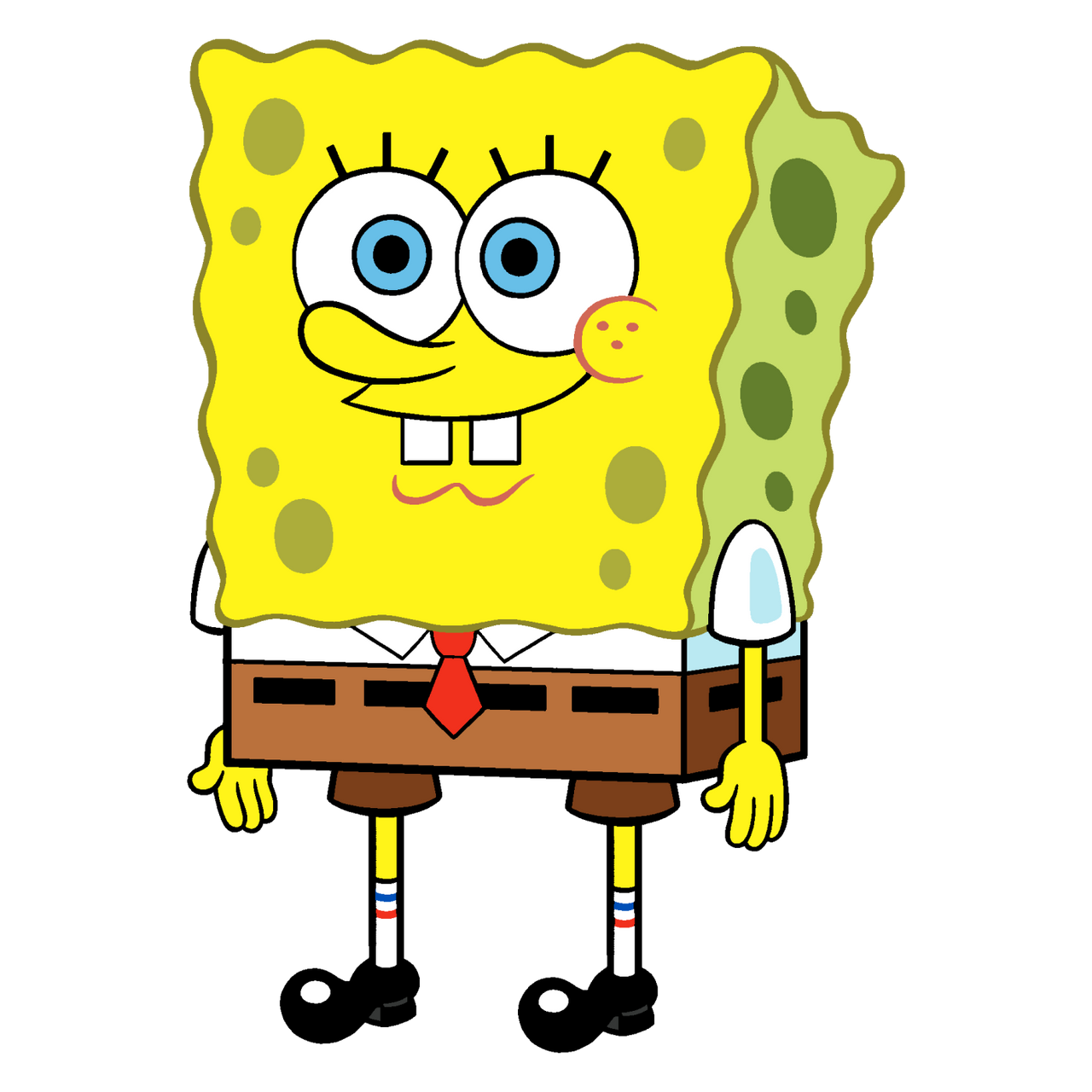
When matching SpongeBob vs Mickey Mouse, you aren't just looking at two drawings on a screen. You're comparing two distinct eras of media dominance, corporate empires, and animation philosophy. Mickey Mouse represents the golden age of cinematic shorts and the corporate blueprint of The Walt Disney Company, while SpongeBob SquarePants defines the late-20th-century cable boom and the anarchic, meme-driven comedy of Nickelodeon. Both characters anchor multi-billion-dollar global merchandise empires, yet they speak entirely different visual and cultural languages.
Mickey Mouse launched in 1928 with Steamboat Willie, serving as a pioneering force for synchronized sound in animation. Created by Walt Disney and Ub Iwerks, the character relied on simple geometric circles that allowed for fluid motion and immediate global recognition. SpongeBob SquarePants arrived more than seventy years later in 1999, created by marine science educator and animator Stephen Hillenburg. Instead of a sleek, universally adaptable corporate mascot, SpongeBob emerged as a flawed, porous, and unapologetically eccentric fry cook living in a pineapple under the sea. Examining how these two heavyweights conquered pop culture reveals stark differences in design, storytelling, and brand survival.
The Genesis of Two Titans
The creation stories of both icons reflect the technological and industrial shifts of their respective decades. Mickey Mouse was born out of necessity after Walt Disney lost the rights to his earlier creation, Oswald the Lucky Rabbit. Ub Iwerks refined Mickey's design using circles, making him easy to animate repeatedly without losing his signature silhouette. This design economy allowed Disney to produce theatrical shorts at a rapid pace, cementing Mickey as an accessible, friendly everyman.
Stephen Hillenburg approached SpongeBob with a background in marine biology and a deep love for tide-pool ecology. He wanted a character whose innocent, naive personality matched the absorbent, sponge-like nature of marine invertebrates. Unlike Mickey, who was structured as a clean slate for audiences to project upon, SpongeBob possessed sharp personality quirks from day one. He laughed uncontrollably, cried over minor inconveniences, and threw himself into his job flipping Krabby Patties with obsessive devotion.
- Mickey Mouse Origins: Built on 1920s rubber-hose animation principles, maximizing expressive movement with minimal detail.
- SpongeBob Origins: Grounded in late-90s cable television aesthetics, blending surreal visual gags with classic character-driven slapstick.
- Core Philosophy: Mickey evolved from a mischievous prankster into a wholesome moral compass, whereas SpongeBob remained proudly unhinged and emotionally volatile.
Design Philosophy and Visual Language
Visual design dictates how an audience connects with a character. Mickey Mouse utilizes a silhouette test: you can recognize him instantly by his round ears alone, regardless of lighting or angle. This minimalist iconography made him ideal for stamping onto theme park merchandise, watches, and film introductions. Over the decades, Mickey's design shifted subtly from pie-eyed vintage cartoon to modern 3D renderings, but his core geometric proportions remained sacred.
SpongeBob breaks nearly every traditional rule of mascot design. He is bright yellow, porous, rectangular, and wears square pants with a tie. His physical form bends, stretches, deflates, and shatters into pieces for comedic effect, drawing inspiration from classic Tex Avery and Bob Clampett cartoons. This elasticity allows the animators at Nickelodeon Animation Studio to push visual absurdity much further than Disney typically allows for its primary mascot.
+------------------------+-----------------------------------+-----------------------------------+
| Feature                | Mickey Mouse                      | SpongeBob SquarePants             |
+------------------------+-----------------------------------+-----------------------------------+
| Primary Medium         | Theatrical shorts, films, parks   | Cable television series, streaming|
| Design Base            | Circular geometry, silhouette     | Organic sponge texture, geometric |
| Comedic Style          | Situational physical comedy       | Surrealism, absurdist dialogue    |
| Corporate Control      | Highly centralized, strict        | Prolific, meme-friendly expansion |
+------------------------+-----------------------------------+-----------------------------------+
Cultural Impact and Global Reach
Measuring cultural impact requires looking at how generations interact with each character. Mickey Mouse functions as an international ambassador for American entertainment. Generations of families associate him with vacations, theme parks, and holiday specials. His presence spans generations, making him a multi-generational heirloom passed down from grandparents to grandchildren.
SpongeBob captured a different kind of cultural lightning. While he enjoys massive international distribution, his true superpower lies in internet culture. Long after viewers outgrow children's television, they continue to communicate using SpongeBob reaction images, quotes, and audio clips. The show birthed a distinct internet lexicon, turning specific frames of Squidward, Patrick, and SpongeBob into global shorthand for cynicism, exhaustion, and joy.
- Global Expansion: Mickey established footholds through theatrical distribution and physical theme parks worldwide.
- Digital Longevity: SpongeBob transitioned seamlessly into the social media age, dominating meme culture across platforms like X, TikTok, and Reddit.
- Merchandising Scale: Both generate billions annually, but Mickey leans on luxury collaborations and park exclusivity, while SpongeBob thrives on retail saturation and streetwear partnerships.
Corporate Strategies: Disney vs Nickelodeon
Behind each cartoon icon sits a massive media machine with distinct operational philosophies. The Walt Disney Company treats Mickey Mouse as a protected asset. Licensing agreements require strict oversight, and Mickey's appearances are carefully managed to preserve an aura of prestige and exclusivity. You don't see Mickey starring in low-budget spinoffs or endorsing random consumer goods without corporate sign-off from top executives.
Nickelodeon took the opposite route. By flooding the market with continuous seasons, home video releases, theatrical films, and consumer products, they maximized short-term availability and long-term saturation. SpongeBob's world expanded to include multiple spin-off series, video games, and Broadway adaptations. This high-volume strategy kept the brand constantly visible in everyday households, preventing viewer fatigue through sheer comedic variety.
Common Misconceptions About Both Characters
Many casual observers misunderstand the artistic evolution of these two icons. A frequent myth is that Mickey Mouse was always a corporate symbol of wholesome family values. In his early 1928-1930 appearances, Mickey smoked, drank, chased women, and subjected farm animals to slapstick cruelty. Disney sanitized him only after parents and civic organizations demanded family-friendly content.
Another misconception is that SpongeBob is solely aimed at preschool audiences. While children enjoy the bright colors and physical humor, the writing room packed episodes with subtle adult jokes, existential dread, and satirical commentary on corporate greed, labor exploitation, and suburban ennui. This dual-layered writing is the primary reason adults who watched the premiere in 1999 still watch new episodes today.
Frequently Asked Questions
Which character generates more revenue?
Both characters pull in billions of dollars annually, but Mickey Mouse historically leads global retail merchandise sales due to Disney's massive licensing apparatus and theme park integration. SpongeBob remains Nickelodeon's most lucrative property, driving substantial consumer product sales worldwide.
Did Stephen Hillenburg base SpongeBob on a real sponge?
No. Hillenburg used his background in marine biology to design SpongeBob as a realistic kitchen sponge rather than a sea sponge to emphasize his man-made square shape and comedic contrast with organic marine life.
Why did Mickey Mouse change from his pie-eyed look?
Animator Fred Moore redesigned Mickey in the late 1930s for the short The Sorcerer's Apprentice (later featured in Fantasia), giving him white gloves, a pear-shaped body, and expressive pupils to make him more emotive and visually appealing.
How has internet culture affected SpongeBob's legacy?
Internet memes transformed SpongeBob from a successful cable cartoon into a permanent fixture of digital communication. Quotable lines and surreal facial expressions ensure the character stays relevant to demographics that no longer watch traditional television.



