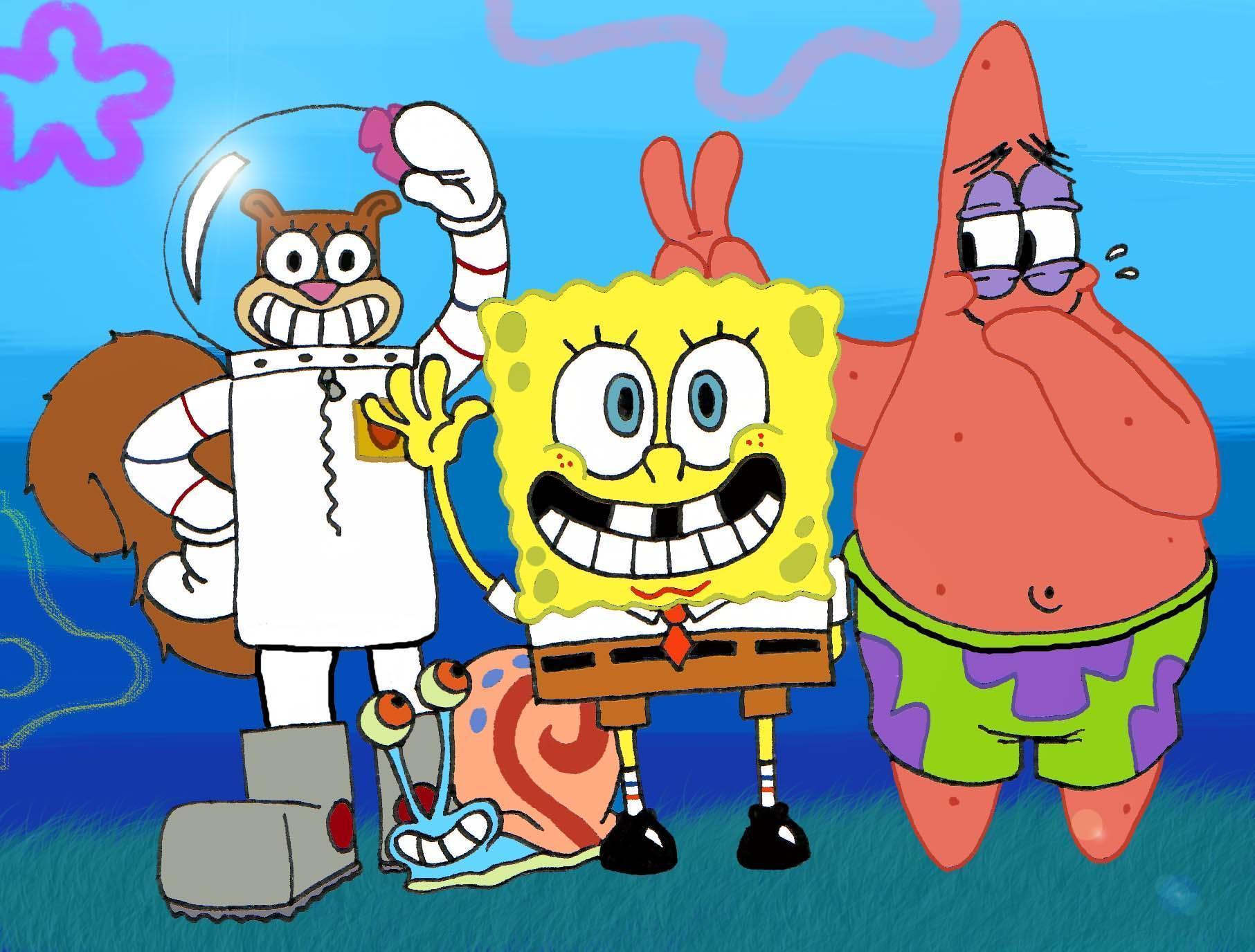
Happiness isn't found in a grand milestone or a retirement account; according to a porous yellow sponge living in a pineapple under the sea, it's found in flipping patties and chasing jellyfish. While pop culture often treats joy as a byproduct of wealth or status, SpongeBob SquarePants offers a radically different perspective on the pursuit of happiness. Stephen Hillenburg's iconic creation reframes everyday existence not as a struggle toward a distant finish line, but as an active, joyful participation in the mundane.
Beneath the slapstick humor and surreal underwater gags lies a surprisingly rich philosophical commentary. For decades, psychologists have debated whether well-being comes from sensory pleasure or deep purpose. Bikini Bottom's most enthusiastic fry cook bridges these theories effortlessly, proving that a cheerful disposition can transform the most tedious routine into a masterclass in contentment. Let's look at how the animated world aligns with real psychological frameworks and why this perspective endures.
The Psychology of Joy: Hedonism vs. Eudaimonia
Philosophers have long split happiness into two camps. Hedonic well-being focuses on maximizing pleasure and minimizing pain, while eudaimonic well-being centers on virtue, meaning, and personal growth. Most people spend their lives trying to balance the two, often failing because they treat them as opposing forces.
SpongeBob doesn't study philosophy, yet he embodies both extremes simultaneously. His sheer delight in blowing bubbles, eating Krabby Patties, or listening to Patrick's nonsensical ideas satisfies the hedonic urge for immediate sensory enjoyment. At the same time, his absolute dedication to his craft at the Krusty Krab, his loyalty to his friends, and his relentless drive to master boating school (even if he fails the driving test every single time) fulfill the eudaimonic need for purpose.
When you look closely at episodes like Pizza Delivery, you see that SpongeBob's joy doesn't depend on external validation. Squidward complains constantly, viewing his job as a prison sentence, while SpongeBob treats every delivery like an epic quest. The contrast highlights a fundamental truth about human psychology: perception dictates reality. You can't always control your circumstances, but you can choose your mindset.
Radical Optimism as a Coping Mechanism
Critics often mistake SpongeBob's relentless positivity for simple-mindedness or toxic positivity. That's a misread of the character. True toxic positivity denies negative emotions; SpongeBob experiences sadness, rejection, and frustration, but he refuses to let those moments calcify into bitterness.
Consider how he handles constant rejection from Squidward. Instead of retaliating or becoming cynical, he doubles down on kindness. In psychological terms, this requires immense emotional regulation. It's easy to be optimistic when everything goes your way. Maintaining enthusiasm when your boss is a greedy crustacean and your neighbor despises you requires a deliberate emotional framework.
- Radical Acceptance: SpongeBob accepts his low-level fry cook status without shame or ego. He doesn't tie his self-worth to societal markers of success.
- Present-Moment Focus: He rarely worries about next year's rent or retirement. His attention stays locked in the immediate task.
- Resilience Through Play: When faced with a crisis, he uses imagination and play to de-escalate stress rather than shutting down.
According to research published by the American Psychological Association, individuals who practice mindfulness and gratitude show significantly lower baseline stress levels. SpongeBob is essentially an animated practitioner of radical mindfulness, treating each new morning as the best day ever simply because it exists.
The Danger of the Squidward Trap
You can't discuss the pursuit of happiness in Bikini Bottom without examining Squidward Tentacles. Squidward fancies himself an artist, an intellectual, and a victim of circumstance. He believes happiness is something that happens to you once you achieve recognition, wealth, and quiet solitude.
Squidward's pursuit of happiness fails because it's conditional. He's constantly waiting for the world to validate his genius. When it doesn't, he sinks into despair.
[Squidward's Model]  Condition Met -> Happiness Achieved (Rarely happens)
[SpongeBob's Model] Action + Present Focus = Immediate Joy (Constant)
Most adults fall into the Squidward trap. We tie our happiness to promotions, financial milestones, or ideal living situations. When we finally reach those goals, the anticipated joy fades quickly—a psychological phenomenon known as the hedonic treadmill. SpongeBob steps off that treadmill entirely by finding intrinsic value in the act itself, whether he's scrubbing floors or catching jellyfish.
Practical Lessons from Bikini Bottom
If you want to apply the SpongeBob perspective to your daily life without quitting your job and moving under the sea, you have to adopt a few core habits:
- Find Flow in the Mundane: If you hate folding laundry or washing dishes, try treating those chores with the same dramatic focus SpongeBob brings to flipping burgers. Gamify your routine.
- Protect Your Inner Child: Society pressures adults to abandon play in favor of constant productivity. Make time for hobbies that serve no economic purpose whatsoever.
- Cultivate Unconditional Loyalty: Invest deeply in friendships that require nothing transactional. The bond between SpongeBob and Patrick works because they accept each other's flaws completely.
- Laugh at Absurdity: When life goes wrong, lean into the absurdity of the situation rather than catastrophizing. A little humor softens the blow of everyday failures.
Frequently Asked Questions
Is SpongeBob's optimism realistic for adults?
Strictly speaking, maintaining 100% unbridled enthusiasm in a high-stress modern environment is difficult and potentially exhausting. However, the underlying lesson isn't about faking a smile; it's about shifting your focus from external status symbols to internal engagement and appreciation.
Why do adults connect with SpongeBob more than children do?
Children enjoy the vibrant colors, physical comedy, and silly voices. Adults connect with the existential dread of working a dead-end service job, paying rent, and dealing with difficult coworkers—making SpongeBob's triumph over daily monotony deeply relatable.
Does the show suggest that ignorance is required for happiness?
Not necessarily. While Patrick often represents blissful ignorance, SpongeBob is shown to possess deep emotional intelligence, empathy, and competence in his chosen field. His happiness stems from engagement and attitude, not a lack of awareness.
How does the show portray the difference between joy and pleasure?
Pleasure is temporary, like eating a delicious Krabby Patty. Joy, in SpongeBob's universe, is enduring and relational—found in shared experiences, hobbies, and a general appreciation for the world around him.



