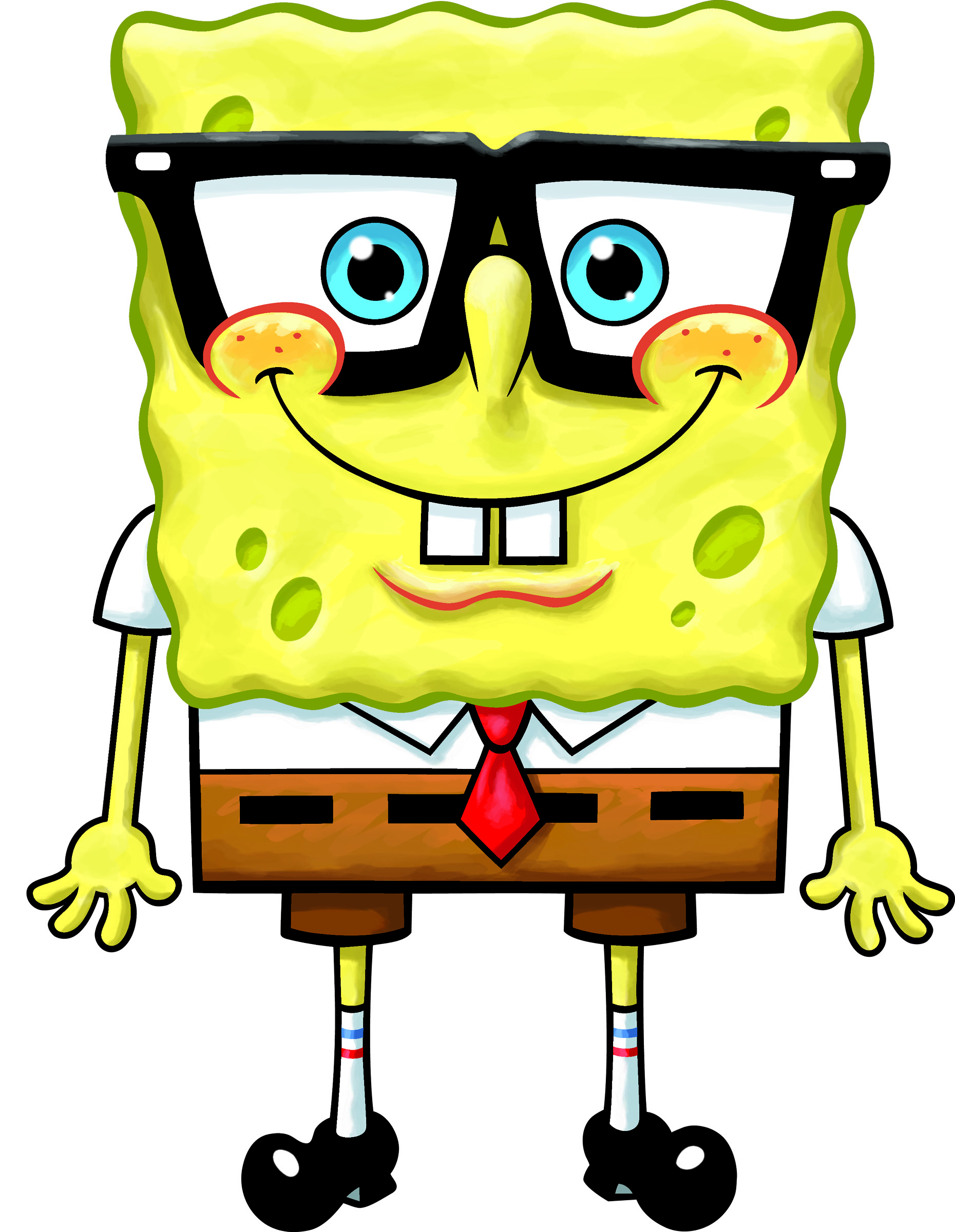
The spongebob looking down meme stands as one of the most recognizable reaction templates across modern social media. Long before short-form video algorithms dominated our feeds, this simple cartoon still captured a universal feeling of defeat, apathy, and existential exhaustion. If you spend time on platforms like X, Reddit, or Discord, you've likely seen this specific image used to summarize a crushing moment of disappointment.
Understanding why this digital artifact resonates requires looking past its simple pixel composition. The image bridges the gap between classic Saturday morning animation and contemporary online communication, acting as visual shorthand for complex emotional states.
Origins in Bikini Bottom
The source material traces back to the animated television series SpongeBob SquarePants, specifically the iconic season two episode titled "Band Geeks," which premiered on Nickelodeon in September 2001. While that episode is widely celebrated for its legendary bubble bowl climax and Squidward's triumphant clarinet solo, it also contains quieter background moments that animators packed with detail.
During scenes where characters react to various chaotic classroom and band practice events, multiple shots capture SpongeBob and fellow Bikini Bottom residents staring straight down toward the ground with blank, slack-jawed expressions.
Unlike intentional promotional stills, this frame was a standard crowd reaction shot. The characters aren't cracking jokes or delivering punchlines; they are simply standing still, absorbing whatever awkward or disastrous event just unfolded around them. Years later, internet users isolated this specific downward gaze, stripping away the audio and surrounding narrative to repurpose the visual for entirely new contexts.
Visual Grammar and Psychological Resonance
Static image macros rely heavily on facial cues and immediate emotional readability. The appeal of this particular reaction image stems from a stark contrast between character design and emotional delivery.
- The Incongruity: SpongeBob is universally known as a hyperactive, eternally optimistic character driven by boundless enthusiasm. Depicting him completely drained of energy creates immediate cognitive dissonance.
- The Posture: The heavy droop of the eyes and the slight slack of the jaw mimic human body language associated with clinical burnout or minor social embarrassment.
- Universal Accessibility: Because the face lacks speech bubbles or complex text, it transcends language barriers. Users across different demographics immediately understand the emotional weight.
Psychologically, deploying this image acts as a form of communal catharsis. When you post the image after a long day of tedious work or a frustrating minor inconvenience, you invite others to validate your exhaustion. It transforms a private moment of annoyance into a shared public joke. You can explore more about how visual media shapes digital communication patterns via the Pew Research Center.
Evolution Across Social Media Platforms
The trajectory of this digital artifact shifted as internet platforms evolved from forum boards to fast-paced timeline feeds.
In the early 2010s, image macro communities on Reddit and Tumblr began extracting subtle background frames from classic cartoons to create niche reaction templates. Early iterations of the downward gaze meme often featured standard top-and-bottom Impact font captions, pointing out mundane frustrations like dropping keys down a storm drain or realizing a weekend is already half over.
As microblogging grew, the image shed its formal macro text styling. On platforms like X, users began attaching the uncaptioned image directly beneath alarming news headlines, awkward announcements, or relatable personal failures. This minimalist approach turned the still frame into pure visual punctuation. A user doesn't need to type an explanation; dropping the image signals complete and utter defeat.
[Awkward Real-Life Event]
        ↓
[User Witnesses Event]
        ↓
[SpongeBob Looking Down Image Attached]
        ↓
[Mutuals Acknowledge Shared Pain]
Common Use Cases and Tone Variations
Online communities adapted the template to fit several distinct tonal categories, ranging from low-effort self-deprecation to heavy societal critique.
Trivial Setbacks
The most frequent application involves minor, everyday annoyances. Examples include realizing you missed a crucial email, dropping your phone face-down on a hard floor, or burning toast. The humor relies on dramatic overreaction—treating a minor hiccup with the solemn gravity of a historical tragedy.
Workplace Burnout
Many users leverage the image to critique modern labor conditions. Attaching the cartoon still to posts about corporate meetings, endless Slack threads, or unexpected Monday morning tasks provides an outlet for collective workplace fatigue.
Existential Dread
On the darker end of the spectrum, internet subcultures use the template to react to massive societal challenges, economic shifts, or environmental stress. By filtering heavy anxieties through a bright yellow cartoon sponge, communities cope with overwhelming news cycles through dark irony.
Cultural Legacy and Digital Preservation
Today, the image functions as a classic piece of internet history. While younger digital natives invent new slang and fast-moving video formats daily, foundational reaction images remain embedded in our communication toolkit.
Media historians often study these artifacts to understand how collective moods shift within online spaces. For a broader look at how digital communities archive and study internet culture, check resources provided by the Library of Congress Digital Culture Web Archive.
Ultimately, the enduring appeal of the image proves that internet culture values emotional resonance over high production value. A single, poorly lit frame from a 2001 children's cartoon continues to speak volumes about the modern human condition.
Frequently Asked Questions
Which episode does the image come from?
The visual originates from the season two episode "Band Geeks," though the exact framing was isolated from background crowd reactions rather than a primary plot scene.
Why do people use this specific reaction instead of text?
Visual shorthand communicates mood instantly. The slack-jawed expression conveys a specific brand of hopeless resignation that takes multiple sentences to describe accurately in text.
Is the meme still active today?
While newer video-based formats dominate modern feeds, the still image remains a staple reaction macro preserved in emoji drawers and GIF keyboards across major chat applications.
Did the original creators intend for the frame to become a meme?
No. Animators designed the background shot purely to fill out a stadium crowd scene during a musical performance sequence, making its viral lifespan entirely organic.



