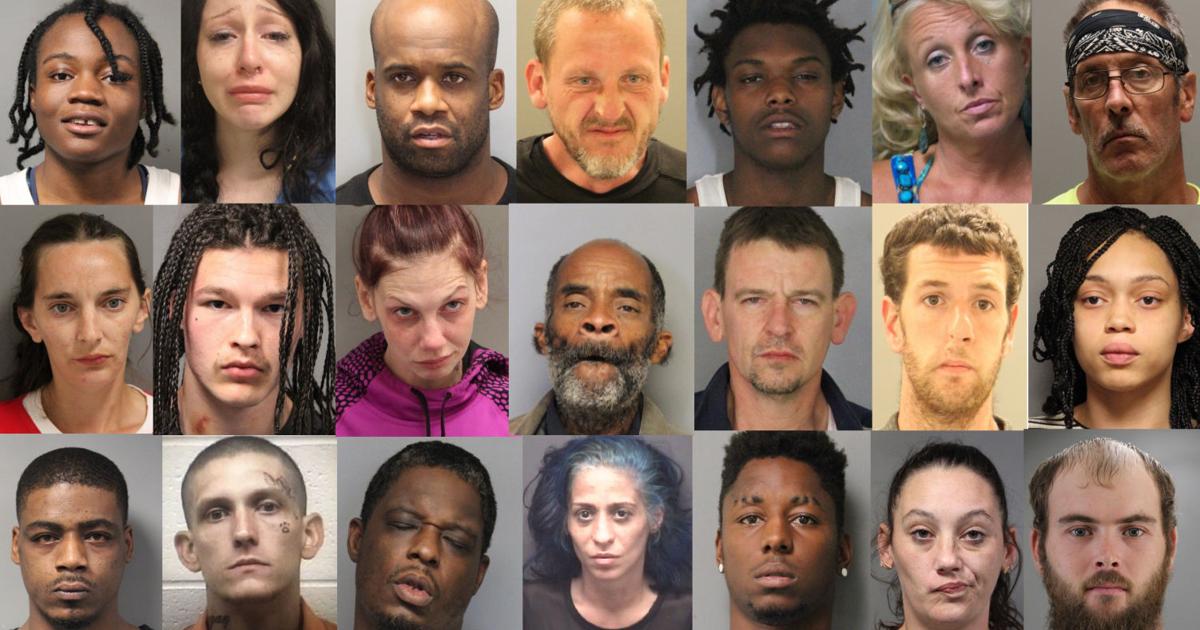
Accessing arrest records and booking photographs in South Carolina sits at the intersection of open government mandates and individual privacy rights. When someone looks up Spartanburg mugshots, they usually encounter a mix of official law enforcement databases, third-party publishing sites, and strict state statutes governing how criminal history information is shared. Understanding how these systems work requires looking past the digital headlines and examining the legal framework that dictates public access.
South Carolina operates under the Freedom of Information Act (FOIA), which establishes that public records are generally open for inspection and copying unless an exemption applies. Booking photographs and arrest logs maintained by the Spartanburg County Sheriff's Office and local municipal police departments are public documents. However, public availability doesn't mean these records exist in a legal vacuum. State laws, constitutional protections regarding the presumption of innocence, and emerging data privacy measures shape how mugshots circulate online and what happens after a case concludes.
The Legal Foundation of Public Access in South Carolina
Under South Carolina law, records generated by law enforcement agencies during the regular course of business are typically categorized as public records. The Spartanburg County Detention Center, located on California Avenue, processes individuals booked on local charges, and those intake records flow into public reporting channels.
Public access serves a vital constitutional purpose: transparency. Allowing citizens to view arrest records prevents secret detentions and holds law enforcement accountable. Yet, this transparency creates distinct challenges in the digital age. In the past, finding an arrest photo required visiting a local sheriff's office or reading the physical police blotter in a regional newspaper. Today, digital aggregation means a booking photo from a minor arrest can remain searchable worldwide indefinitely, long before any trial takes place. Further coverage on this matter has been provided by BBC.
To check official records safely and accurately, residents typically rely on official channels rather than unregulated commercial scrapers. You can explore state-level records through the South Carolina Law Enforcement Division (SLED) or contact the Spartanburg County Sheriff's Office directly for local administrative guidance.
How Third-Party Mugshot Sites Exploit Public Data
A major driver of online searches for booking photos involves commercial third-party publishing platforms. These sites scrape arrest logs, aggregate mugshots, and publish them online without context or verification of guilt.
The business model behind these operations often relies on distress. Once a booking image is indexed by search engines, it can permanently damage an individual's employment prospects, housing applications, and personal reputation. Many of these sites operate on a pay-to-remove structure, charging subjects hundreds or thousands of dollars to take down photos of arrests that may have resulted in dismissed charges, acquittals, or expungements.
Legislative pushback against this practice has grown nationwide. Several states have passed laws prohibiting mugshot publishers from charging removal fees, and credit reporting agencies have modified how they handle arrest data that lacks a final conviction disposition. In South Carolina, legal avenues exist to protect individuals whose records have been cleared or expunged, though removing content from independent third-party hosts remains an uphill battle.
Expungement and Record Sealing in South Carolina
A common misconception is that once a mugshot or arrest record is published online, it can never be removed. In reality, South Carolina law provides clear pathways for expunging qualifying criminal records. If an arrest does not lead to a conviction—such as when charges are dropped by the solicitor or a jury returns a not-guilty verdict—the individual can petition to have the arrest record expunged.
Once an expungement order is granted, law enforcement agencies and court clerks are required to destroy or seal the records pertaining to that arrest. While this official state process neutralizes the primary record, individuals often still need to submit direct takedown requests to commercial aggregators, providing proof of the court-ordered expungement to force compliance under various consumer protection frameworks.
Navigating the expungement process requires specific documentation, adherence to statutory waiting periods depending on the offense category, and often the assistance of legal counsel to ensure every municipal and county agency updates its files properly.
Common Misconceptions About Booking Photos
Misinformation surrounding arrest records and privacy rights runs rampant online. Clearing up these myths helps citizens understand their actual rights and protections under South Carolina law.
One widespread myth is that posting a mugshot violates constitutional privacy rights. Because booking photos are captured by government entities during a public administrative process (an arrest), they fall outside standard private privacy protections. The courts have consistently ruled that individuals have a diminished expectation of privacy regarding their identity following an official arrest.
Another frequent misunderstanding is that police departments are legally required to remove mugshots from their active websites upon request. Law enforcement agencies maintain public logs for transparency and historical record-keeping. They generally will not take down an accurate booking photo simply because a case is ongoing or a subject requests it, unless a formal court order or expungement mandate is delivered.
Frequently Asked Questions
Are all Spartanburg mugshots available to the public immediately?
Not always. While arrest logs are public, law enforcement agencies may withhold certain details or images if the release compromises an ongoing investigation, involves a juvenile, or poses specific security risks.
Can I force a third-party website to delete my mugshot?
It depends on the site's policies and state regulations. If your record has been officially expunged by a South Carolina court, you can use the official decree to demand removal from most reputable aggregators, though unregulated publishers can sometimes prove difficult to reach.
Does an arrest record mean a person has been convicted?
No. An arrest record and mugshot simply indicate that an individual was taken into custody and booked on suspicion of a crime. Under the law, every person is presumed innocent until proven guilty in a court of law.
How do I check my own criminal history in South Carolina?
You can request an official name-based criminal history check through the SLED CATCH system online, which provides verified records originating from South Carolina law enforcement agencies.



