Spain occupies a unique position at the crossroads of Europe, the Mediterranean, and the Atlantic. Understanding the national character requires looking beyond clichés of sunshine and siestas to examine a society shaped by regional diversity, a turbulent history, and a strong sense of community. From the distinct cultural identities of Catalonia and the Basque Country to the social rhythms of daily life, modern Spain balances deep-rooted traditions with a progressive, outward-looking global presence.
The Foundations of Spanish Identity and Regional Diversity
Spain isn't a monolith. The country's national character is defined by a rich mosaic of regional identities. The Constitution of 1978 established seventeen autonomous communities, each with its own cultural nuances, historical memory, and in some cases, co-official languages like Catalan, Basque, and Galician. This decentralization means that someone from Seville experiences daily life, social norms, and traditions quite differently from someone based in Bilbao or Barcelona.
Regional pride runs deep across the peninsula. You'll find distinct culinary traditions, local festivals, and historical narratives that predate the modern unified Spanish state. For instance, the industrial work ethic of the north contrasts with the Mediterranean pace of the eastern coast and the vibrant, expressive social culture of Andalusia. Recognizing this internal plurality is essential for grasping why Spaniards often identify as much with their region or city as they do with the country as a whole.
Core Social Values: Family, Community, and Connection
At the heart of Spanish society lies an emphasis on interpersonal relationships. Social life happens outside the home, in public squares, neighborhood cafes, and bustling tapas bars. Family ties remain exceptionally strong, with adult children often living with their parents well into their twenties or thirties due to economic factors and cultural preferences for close-knit family networks.
Friendships function as an extended chosen family. Spontaneous gatherings are common, and socializing isn't restricted to weekends. This cultural priority placed on human connection influences the rhythm of the day. Mealtimes are sacred social rituals rather than quick refueling stops. Lunch, traditionally the main meal of the day, often lasts for hours, serving as a primary space for bonding and conversation.
Daily Rhythms and the Social Clock
The daily schedule in Spain often surprises visitors. Because of historical climate patterns and the traditional split workday, known as the jornada partida, the Spanish clock runs later than in many other European nations.
- Late Mornings: Breakfast is typically light, consisting of coffee and toast or pastries, often taken standing at a bar counter.
- The Main Meal: Lunch occurs between 2:00 PM and 4:00 PM. Many traditional businesses historically closed during this window, though modern corporate workplaces in major cities have largely shifted toward continuous shifts ending earlier.
- Evening Socializing: Dinner rarely starts before 9:30 PM or 10:00 PM. Evenings begin with the paseo, a leisurely evening stroll where neighbors walk through town squares and catch up.
While the famous afternoon nap or siesta has largely faded for urban office workers, the spirit of taking a mindful pause during the hottest hours of a summer day persists in smaller towns and rural areas.
Cultural Expressions: Art, Literature, and Passion
Spain's cultural output has left a permanent mark on global history. The Golden Age of Spanish literature produced masterworks like Miguel de Cervantes' Don Quixote, widely considered the first modern novel. In the visual arts, figures like Diego Velázquez, Francisco Goya, Pablo Picasso, Salvador Dalí, and Joan Miró redefined European aesthetics across centuries, moving from classical court portraiture to avant-garde surrealism and cubism.
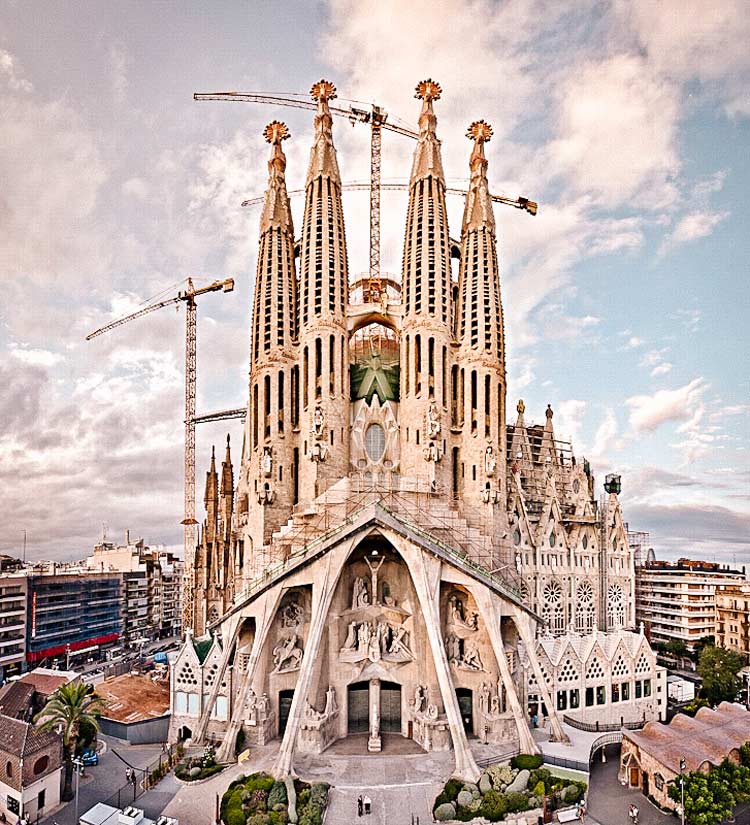
Architecture tells a parallel story. From the Islamic masterpieces of Andalusia—such as the Alhambra in Granada and the Mezquita in Cordoba—to Antoni Gaudí's modernist visions in Barcelona, the built environment reflects centuries of overlapping cultural influences.
Music and dance carry similar emotional weight. While flamenco—recognized by UNESCO as part of the Intangible Cultural Heritage of Humanity—is most famously associated with Andalusia, regional folk music thrives across every province, from Galician bagpipes to Basque rural sports and choral traditions.
Spain's Global Influence and Soft Power
Beyond its borders, Spain exerts significant global influence, largely driven by language, diplomacy, and economic integration.
The Linguistic Power of Spanish
As the second most spoken native language in the world, Spanish connects over 490 million native speakers globally. This linguistic community creates deep cultural and economic ties across Latin America, the United States, and parts of the Caribbean. Organizations like the Instituto Cervantes actively promote the study of Spanish language and culture worldwide, cementing Spain's role as a cultural superpower.
Economic and Diplomatic Footprint
As a member of the European Union and the eurozone, Spain is a major player in European policymaking. It acts as a crucial bridge between Europe, Latin America, and North Africa. Domestically, Spanish multinational corporations—particularly in renewable energy, infrastructure development, banking, and telecommunications—lead major global projects. Companies like Ferrovial, Telefónica, and renewable energy pioneers have transformed global urban landscapes and transport networks.
Furthermore, Spain is a tourism titan, consistently ranking among the top three most visited countries in the world. According to data from the World Tourism Organization, millions of travelers visit annually to experience its historical sites, coastline, and culinary scene, making tourism a cornerstone of its international economic footprint.
Common Misconceptions About Spanish Society
Outsiders often view Spain through a narrow lens shaped by outdated stereotypes. Addressing these misconceptions provides a clearer picture of modern reality.
- The Siesta Myth: People often imagine the entire country shutting down every afternoon for sleep. In reality, modern economic pressures, commuting times, and office jobs mean most urban residents don't take daily afternoon naps.
- A Monolithic Culture: Assuming that all Spaniards share the same traditions, culinary preferences, or political views ignores the fierce regional identities of regions like Catalonia, the Basque Country, and Galicia.
- Economic Stagnation: While Spain has faced high youth unemployment rates and economic turbulence following the 2008 financial crisis, it boasts a highly innovative tech sector, particularly in digital health, green energy, and smart city infrastructure.
Frequently Asked Questions
What role does food play in Spanish culture?
Food serves as a primary social glue. Meals are communal events designed for prolonged conversation and shared plates, such as tapas or paella. Gastronomy is viewed as an art form and an essential component of daily social bonding.
How has regional autonomy affected national unity?
Regional autonomy allows distinct communities to preserve their languages, educational systems, and local laws. While this decentralization occasionally sparks political debate regarding independence movements, particularly in Catalonia, it largely reflects a proud, multi-faceted national identity.
Why do daily schedules run so late compared to northern Europe?
The late schedule stems from a combination of historical work patterns, climate adaptation to avoid midday heat, and a cultural preference for vibrant evening social life. Prime television, dining, and social events routinely begin later in the evening than in other Western nations.
How does Spain's history influence its modern culture?
Centuries of Roman, Islamic, Jewish, and Christian influences left architectural, linguistic, and culinary marks across the peninsula. This layered heritage fosters an open, pluralistic society that embraces its diverse historical roots.



