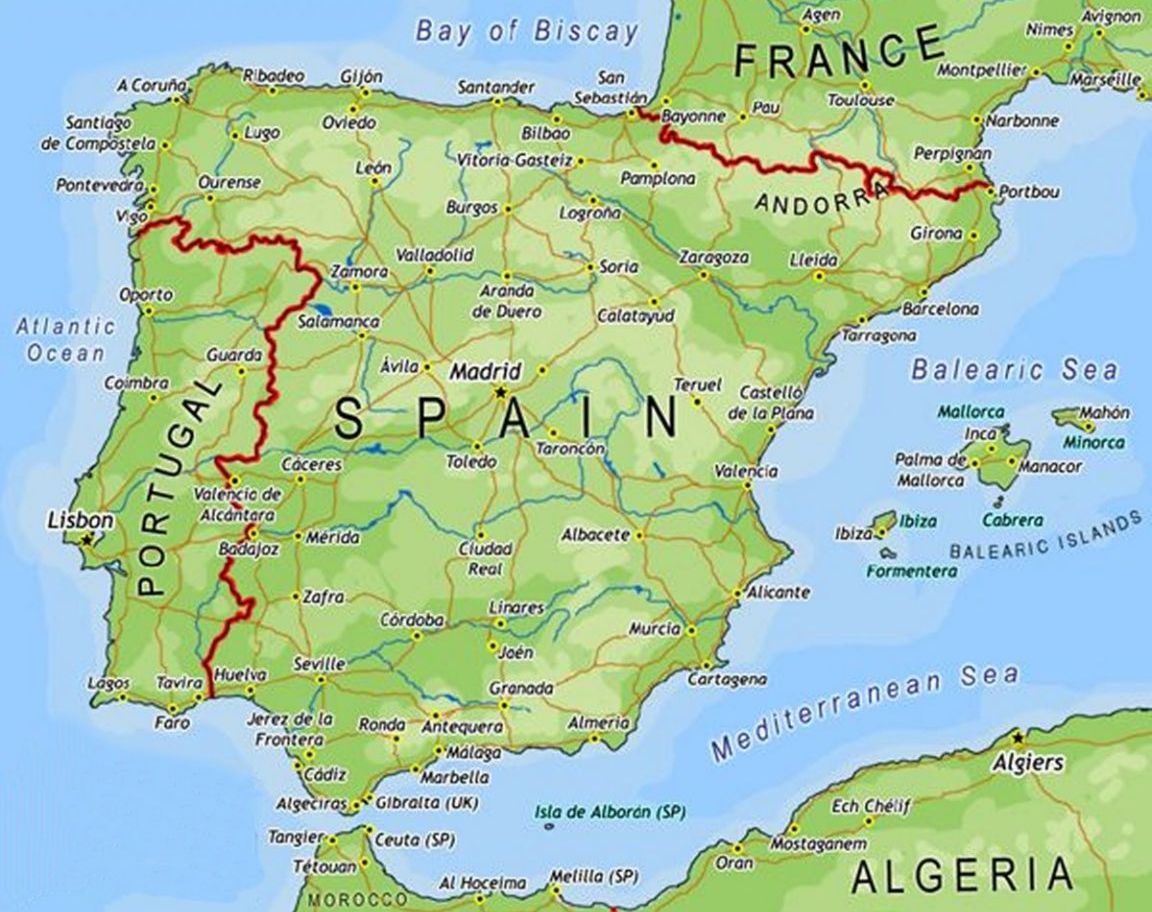
September in Spain acts as a meteorological bridge, where peak summer beach heat gradually gives way to crisp autumn evenings. If you're planning a trip during this shoulder season, you'll find that weather conditions vary wildly depending on whether you're frying on the Andalusian coast or catching a cool breeze in the northern mountains.
Daytime temperatures across the country typically hover between 24°C and 30°C, but regional geography dictates your actual daily experience. While southern hotspots like Seville and Málaga regularly trap lingering heat well into the month, northern regions like Galicia or the Pyrenees start experiencing early autumn drops. Understanding these regional splits prevents you from packing exclusively for the beach when you might need a jacket by sundown.
Regional Weather Breakdowns Across Spain
Spain's diverse topography means you cannot rely on a single national forecast. Coastal humidity, inland plateaus, and mountain ranges create distinct microclimates that shift throughout the month.
Southern Andalusia and the Costas
Southern Spain keeps its summer skin for most of September. Cities like Seville, Córdoba, and Málaga see afternoon peaks frequently hitting 32°C or higher. Sea temperatures remain warm at around 24°C, making Costa del Sol and Costa de la Luz ideal for swimming without the suffocating crowds of August. However, you'll want air conditioning in your accommodation because inland cities hold onto the heat long after dark.
Central Plateau and Madrid
Madrid and the surrounding central plains experience a sharper contrast. While daytime highs sit comfortably around 27°C, the dry interior loses heat quickly once the sun dips. You'll enjoy crystal-clear blue skies and very low rainfall probabilities, but evening temperatures can drop to 15°C. This makes wandering through outdoor plazas pleasant during the day, though you'll appreciate a light sweater for late-night tapas crawls.
Northern Spain and Green Costa Verde
Regions like Asturias, Cantabria, and the Basque Country offer an entirely different climate. Known locally as Green Spain, this area receives more rainfall and experiences earlier autumn transitions. Daytime highs stay milder, hovering around 21°C to 24°C. You should expect sporadic rain showers and overcast mornings, though clear afternoons still provide great conditions for coastal hikes and exploring cities like San Sebastián.
Beach Conditions and Sea Temperatures
September remains one of the best months for a coastal holiday in Spain because the Mediterranean and Atlantic waters have absorbed months of intense summer sun.
- Mediterranean Sea: Locations like Barcelona, Valencia, and the Balearic Islands boast sea temperatures around 25°C. Swimming is comfortable, and beaches clear out significantly once local school terms resume mid-month.
- Atlantic Coast: The water near Cádiz or Sanlúcar de Barrameda is slightly crisper, but still refreshing. Watch out for sudden wind changes along the Atlantic coast, which can whip up stronger currents compared to the calmer Mediterranean basin.
- Crowd Dynamics: Local tourism drops sharply after the first week of September. You won't struggle to find sunbeds, and coastal restaurants operate at a much more relaxed pace.
Packing Strategies for Mixed Climates
Packing for September requires a balanced wardrobe because you'll bridge two distinct seasons in a single suitcase. Avoid overpacking heavy winter gear, but don't rely solely on shorts and tank tops.
- Layering Essentials: Bring breathable linen or cotton shirts for daytime heat, paired with light cardigans, denim jackets, or blazers for evenings.
- Footwear: Pack comfortable walking sneakers for historic cobblestone streets and a reliable pair of sandals for the beach.
- Sun Protection: The sun remains deceptively strong. Pack high-SPF sunscreen, sunglasses, and a wide-brimmed hat, especially if you're heading south.
- Rain Gear: Keep a compact umbrella or lightweight waterproof shell handy if you plan to visit northern provinces or the Pyrenees.
For official meteorological tracking and real-time warnings during your travels, consult the State Meteorological Agency of Spain.
Common Mistakes to Avoid
Travelers often miscalculate how quickly the weather can shift or assume the entire country shares a uniform climate.
- Assuming the whole country is hot: Packing only summer clothes for a trip to Bilbao or Santiago de Compostela will leave you shivering during cooler northern fronts.
- Ignoring inland heat traps: Underestimating daytime temperatures in Seville or Madrid can lead to dehydration during afternoon sightseeing blocks. Always carry a reusable water bottle.
- Booking without AC: Assuming September nights are automatically cool across the board is a frequent error. Southern urban apartments without air conditioning trap daytime heat and make sleeping difficult.
To research broader travel logistics, health advisories, and entry requirements, check the official Spain Tourism Portal.
Frequently Asked Questions
Does it rain often in Spain in September?
Rainfall is generally low across most of the country during this month. Southern and eastern regions remain mostly dry, while northern provinces experience occasional, short-lived autumn showers.
Is it still warm enough to swim in the sea?
Yes. Sea temperatures are at their warmest near the end of summer, particularly along the Mediterranean coast and the Balearic Islands, where waters average 24°C to 25°C.
When does the weather start cooling down?
The transition usually begins during the second half of September. While southern coastal areas stay warm well into October, northern regions and central elevations notice a distinct drop in evening temperatures by mid-month.
Are there extreme weather risks like storms?
While rare, the transition from summer heat to cooler autumn air can occasionally trigger gota fría (cold drop) events, bringing sudden heavy downpours, particularly along the eastern Mediterranean coast. Always monitor local forecasts via AEMET if you notice sudden barometric shifts.


