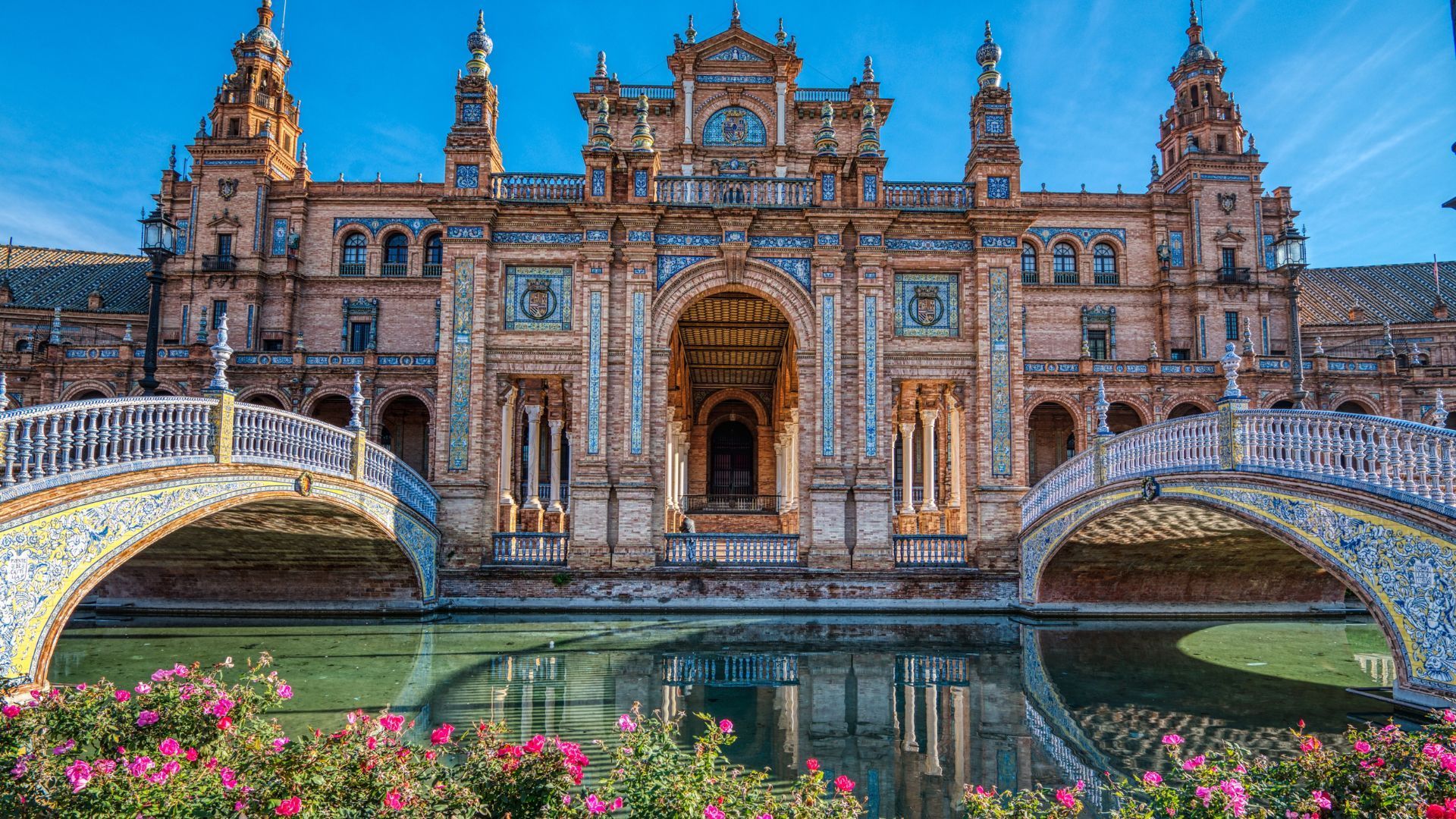
Spain weather in September marks the sweet spot of the Iberian calendar, where scorching summer temperatures break into comfortable warmth while the Mediterranean Sea remains invitingly warm. Across the country, daytime highs average between 24°C and 30°C (75°F to 86°F), making it ideal for outdoor exploration, historic sightseeing, and coastal lounging without the stifling heat waves of July and August.
If you're planning a trip during this month, understanding regional climate shifts is essential. Weather patterns vary significantly between the sun-baked southern plains, the mild northern coasts, and the breezy Balearic Islands. Here is a complete breakdown of what to expect from Spain's weather in September, region by region, along with practical strategies for packing and timing your travels.
Regional Weather Breakdown for September
The Iberian Peninsula features diverse microclimates. What feels like a warm beach day in Málaga can easily pair with a crisp, cool evening in Madrid or a passing shower in San Sebastián.
Southern Spain and Andalusia
In southern hubs like Seville, Córdoba, and Granada, September brings welcome relief from brutal summer peaks.
- Daytime Temperatures: Highs hover around 30°C to 34°C (86°F to 93°F) during the first half of the month, cooling down to a comfortable 26°C (79°F) by late September.
- Nighttime Conditions: Evenings drop to a pleasant 18°C to 20°C (64°F to 68°F), perfect for late outdoor dinners and historic walking tours.
- Precipitation: Statistically dry with minimal rainfall, though direct midday sun remains intense.
The Mediterranean Coast and Barcelona
Catalonia, Valencia, and the Costa Brava experience steady, reliable sunshine paired with moderating coastal breezes.
- Daytime Temperatures: Average highs sit comfortably between 25°C and 28°C (77°F to 82°F).
- Sea Temperatures: Water temperatures average 23°C to 25°C (73°F to 77°F), making September one of the absolute best months for swimming and beach clubs.
- Precipitation: Mostly dry, though late September can occasionally bring short, sharp Mediterranean storms (gota fría).
Central Spain and Madrid
The capital and the central plateau experience a sharp diurnal temperature swing—warm under the afternoon sun but cooling rapidly after sunset.
- Daytime Temperatures: Highs average around 26°C to 28°C (79°F to 82°F) with low humidity.
- Nighttime Conditions: Lows drop to 14°C to 16°C (57°F to 61°F), requiring a light jacket for evening strolls.
- Precipitation: Minimal, providing ideal conditions for visiting outdoor monuments and parks.
Northern Spain and the Basque Country
Green Spain offers a cooler, greener alternative to the south, characterized by Atlantic influences.
- Daytime Temperatures: Highs hover around 21°C to 23°C (70°F to 73°F).
- Nighttime Conditions: Crisp nights drop to 12°C to 14°C (54°F to 57°F).
- Precipitation: Higher chance of Atlantic rain showers compared to the south, keeping the landscape lush.
Early vs. Late September: Timing Your Visit
The calendar month doesn't move as a single block. Travelers often notice a distinct shift depending on whether they arrive in the first week or the final days.
- September 1 to 10: This window often feels like an extension of August. European school holidays are wrapping up, coastal resorts remain lively, and southern cities retain lingering summer heat.
- September 11 to 30: This is the true sweet spot. Crowds thin out significantly as families return home. Accommodation rates drop from peak summer highs, local life resumes its normal rhythm, and temperatures settle into ideal ranges for sightseeing.
Furthermore, September marks the start of the grape harvest (vendimia) across wine regions like La Rioja and Penedès, offering visitors a chance to see vineyards in full swing. Cultural celebrations also peak during this month, including Barcelona's massive La Mercè festival around September 24.
Common Mistakes to Avoid
Travelers frequently misjudge how to prepare for Spain in September. Avoid these common errors to ensure a smooth trip:
- Packing strictly for a heatwave: While southern Spain stays warm, packing only tank tops and shorts will leave you shivering during evening walks in Madrid, Burgos, or northern mountain regions.
- Ignoring regional differences: Expecting the same weather in rainy, emerald-green San Sebastián as you would find in arid, sun-drenched Seville will throw off your packing list and daily itinerary.
- Failing to book major cultural events in advance: Because September weather is so pleasant, local festivals like Seville's Bienal de Flamenco or Barcelona's La Mercè draw large crowds of domestic and international travelers, tightening availability for top-tier hotels.
- Underestimating UV intensity: Even though the air feels cooler than in July, the Iberian sun remains strong during afternoon hours. Sunscreen and hats are still necessary.
What to Pack for Your Trip
Versatility is the golden rule for a September packing list. Because temperatures fluctuate between afternoon sun and cool evenings, layering is essential.
- Daytime wear: Breathable linen shirts, cotton t-shirts, light skirts, or comfortable shorts.
- Evening wear: A light jacket, denim layer, or cardigan for northern regions and inland cities.
- Footwear: Broken-in walking shoes or sneakers for cobblestone streets, alongside sandals or beach shoes for coastal days.
- Accessories: Sunglasses, a wide-brimmed hat, and a compact umbrella if you're exploring the northern coast.
You can check official forecasts closer to your departure via the Spanish State Meteorological Agency (AEMET) to track regional variations accurately.
Frequently Asked Questions
Can you swim in Spain in September?
Yes. The Mediterranean Sea holds onto its summer warmth, with coastal water temperatures averaging 23°C to 25°C (73°F to 77°F) through the end of the month. Swimming is comfortable along the Costa del Sol, Costa Brava, and the Balearic Islands. The Atlantic coast (such as San Sebastián) is slightly cooler but still swimmable for many visitors.
Is it too hot to visit Seville or Madrid in September?
It isn't prohibitive. While early September afternoons in Seville can still touch 32°C to 34°C (89°F to 93°F), the extreme, punishing heat waves of mid-summer have broken. Evenings cool down nicely, making sightseeing manageable, especially if you adopt the local habit of resting during the peak afternoon hours.
Does it rain often in Spain in September?
Rainfall remains generally low across most of the country. The southern and central regions experience very little precipitation. However, northern regions like the Basque Country and Galicia see occasional Atlantic systems, and late September can bring isolated heavy downpours to parts of the Mediterranean coast.
Are tourist crowds smaller in September?
Yes, significantly so. Once European school schedules resume in the first week of the month, family travel drops off, and major tourist attractions like the Alhambra in Granada or the Sagrada Família in Barcelona become noticeably less congested than they are in July and August.


