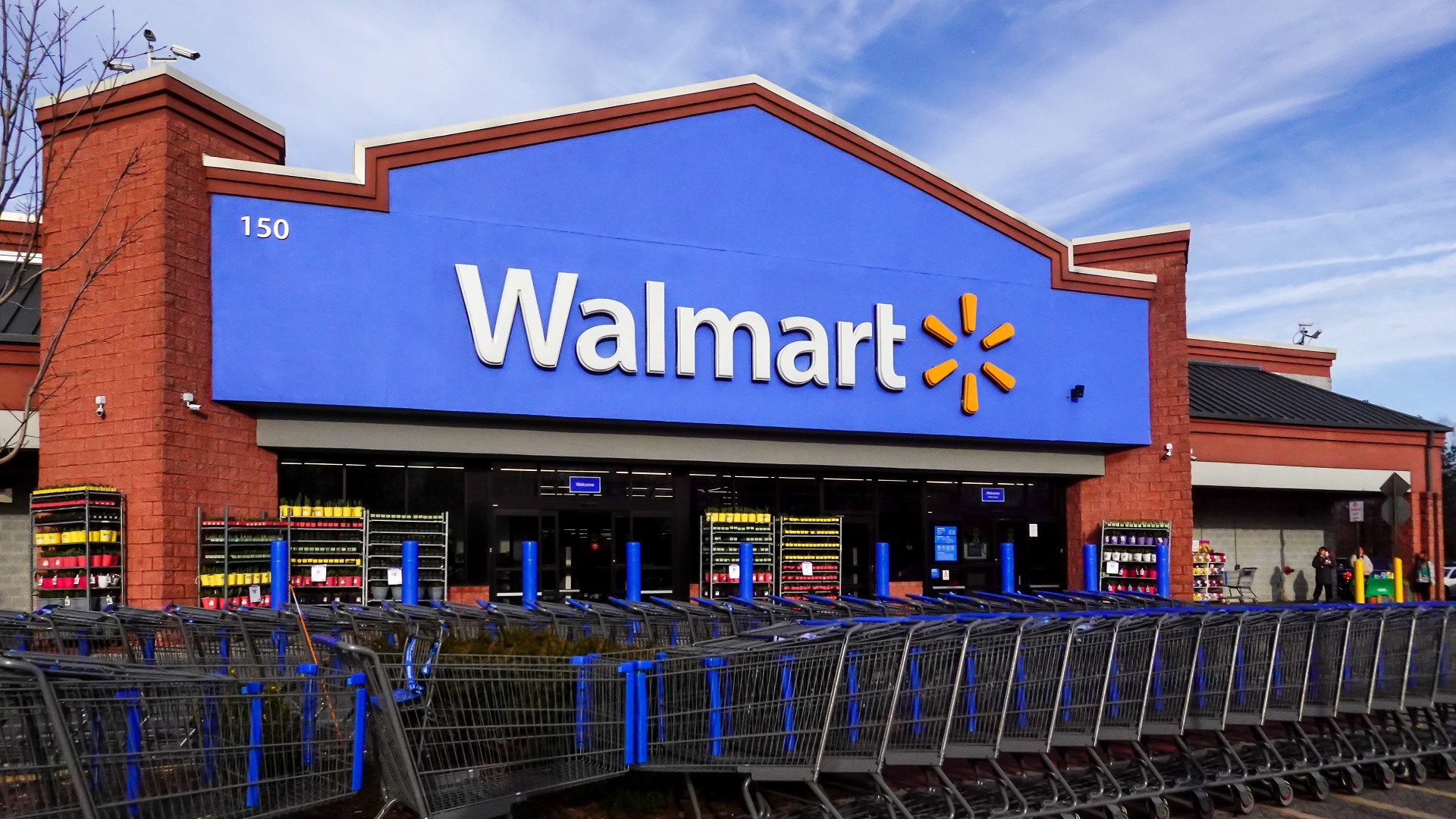
When you search for a Walmart equivalent in South Korea, you won't find a direct blue-and-yellow supercenter waving a corporate American banner. Walmart actually pulled out of the Korean market entirely back in 2006, unable to compete with local consumer preferences. Instead, South Korea’s equivalent massive discount chains and hypermarkets are Emart, Homeplus, and Lotte Mart. These three major domestic giants dominate the landscape, offering everything from fresh produce and electronics to clothing and household goods under one roof.
Choosing where to shop depends on whether you need a massive bulk-buy warehouse club, a neighborhood express supermarket, or an online delivery app that drops groceries at your door before dawn. Understanding how these Korean retail networks operate will save you time, money, and frustration compared to wandering blindly into an unfamiliar store layout.
The Big Three Hypermarkets: South Korea's True Walmart Equivalents
If you walk into an Emart, Homeplus, or Lotte Mart, you'll instantly recognize the familiar hypermarket footprint. Huge multi-level floors, wide aisles, towering shelves, and bakeries greet you. Yet, each chain carries a distinct corporate DNA and shopping culture.
Emart: The Market Leader
Operated by Shinsegae Group (the retail spin-off originally tied to Samsung), Emart is the oldest and largest discount hypermarket chain in the country. It occupies the top spot in market share and brand recognition. When Walmart threw in the towel in South Korea, it sold its entire network of 16 stores directly to Shinsegae, which quickly converted them into Emart locations.
- Product Focus: Emart excels in fresh groceries, private-label goods (like its popular No Brand and Peacock lines), and localized household items.
- The Shopping Experience: Stores are meticulously organized, brightly lit, and heavily digitized. Emart locations in urban centers often integrate directly with subway stations or department store complexes.
- Sister Formats: Beyond standard hypermarkets, Emart runs Emart Traders (a warehouse club format styled closely after Costco) and Emart24 convenience stores.
Homeplus: The Community-Centric Challenger
Founded originally as a joint venture involving Samsung and British retail giant Tesco, Homeplus stands as the second-largest hypermarket brand. Even though ownership has shifted over the years, Homeplus maintains a massive footprint across both major metropolitan areas and regional cities.
- Product Focus: Homeplus stores frequently feature expansive fresh food sections, clothing lines, and a healthy stock of imported goods inherited from its historical ties to Tesco.
- The Shopping Experience: Homeplus layout designs often feel slightly more spacious and community-oriented. Many locations feature large parking garages and cultural center spaces where local residents take cooking or art classes.
- Neighborhood Reach: Homeplus operates Homeplus Express, a smaller supermarket format tailored for quick daily grocery runs in residential neighborhoods.
Lotte Mart: The Conglomerate Powerhouse
Backed by the massive Lotte business conglomerate, Lotte Mart rounds out the top three hypermarket chains. Lotte stores are deeply woven into everyday consumer life in Korea, leveraging the brand's reach across food manufacturing, hospitality, and entertainment.
- Product Focus: You'll find a massive selection of Lotte-manufactured food products, snacks, cosmetics, and electronics alongside standard hypermarket inventory.
- Specialist Concepts: Lotte operates specialized experimental stores like Zettaplex (hypermarkets supercharged with luxury gourmet food halls) and Bottle Bunker (massive wine and liquor superstores).
- Global Presence: Lotte Mart has aggressively expanded internationally, maintaining a heavy retail presence in countries like Vietnam and Indonesia alongside its domestic Korean footprint.
Warehouse Clubs and Digital Alternatives
Hypermarkets don't tell the whole story of modern Korean retail. Depending on your purchasing habits, you might find that warehouse clubs or ultra-fast e-commerce platforms fit your lifestyle better than a traditional weekend supermarket trip.
Warehouse Clubs: Costco and Emart Traders
If you miss the exact bulk-buying energy of American warehouse retail, you have two primary options in South Korea:
- Costco Korea: Costco operates multiple fiercely busy warehouse locations across the country. It serves as a haven for expats and locals craving imported Western foods, bulk household supplies, and recognizable global brands. You'll need a membership card, and foreign credit cards are accepted without issue.
- Emart Traders: Created as a domestic alternative to Costco, Traders requires no membership fee for basic shopping (though loyalty perks exist). It delivers bulk-quantity packaging at competitive prices with a strong emphasis on popular local items mixed with imported goods.
E-Commerce Giants: Coupang and Market Kurly
South Korea possesses one of the most advanced digital delivery infrastructures on earth. Many residents rarely visit physical hypermarkets for routine groceries because online options are faster and cheaper.
- Coupang: Often called the Amazon of South Korea, Coupang offers "Rocket Delivery," which guarantees delivery by dawn the next morning if you order late into the evening. Coupang handles everything from fresh milk and electronics to furniture.
- Market Kurly: This platform pioneered premium dawn-delivery grocery services. It targets consumers who prioritize organic, high-end, and specialty meal kits delivered straight to their apartment doorstep before 7:00 AM.
Why Walmart Failed in South Korea
Understanding why Walmart failed helps clarify why the local equivalents succeed. When Walmart entered the South Korean market in 1998, it imported its classic American playbook: massive concrete box stores located in suburban outskirts, stacked inventory pallets reaching toward high ceilings, and a focus on deep-discount non-perishable goods.
Korean consumers rejected this model for several structural reasons:
- Shopping Frequency: In the United States, shoppers traditionally loaded up a massive SUV trunk with groceries once a week or once a month. Korean shoppers historically preferred buying fresh ingredients daily or every few days from local wet markets or neighborhood stores.
- Aesthetic Expectations: Korean retail culture places an immense premium on bright, clean, visually polished environments that resemble department stores. Walmart's austere, industrial warehouse aesthetic felt sterile and unappealing to local shoppers.
- Localization Failures: Walmart failed to tailor its fresh food assortment, produce displays, and customer service standards to local culinary habits, allowing Emart to easily outmaneuver them. By 2006, Walmart surrendered and sold its operations to Shinsegae.
Navigating Supermarkets as a Foreigner or Newcomer
Shopping at Emart, Homeplus, or Lotte Mart is straightforward, but a few local nuances can catch newcomers off guard.
- Mandatory Closing Days: To protect traditional mom-and-pop markets, South Korean law historically required large hypermarkets to close two Sundays per month. While municipal regulations have shifted in certain districts recently, always check local schedules before planning a major Sunday grocery trip.
- Shopping Cart Deposits: To use a shopping cart at most hypermarkets, you must insert a 100-won coin into the locking mechanism on the handle. You get the coin back when you return the cart to the corral.
- Eco-Friendly Bagging: Disposable plastic bags are strictly regulated and generally not free at checkout. Bring your own reusable shopping bag or purchase a sturdy branded tote bag at the register.
- App Integration: Downloading store apps like Emart or Homeplus unlocks digital membership points, mobile coupons, and event notifications. While foreign credit cards work fine at physical registers, setting up mobile payment apps on your phone sometimes requires a locally registered Korean phone number.
Frequently Asked Questions
Can I use foreign credit cards at Emart and Homeplus?
Yes. Major international credit and debit cards (Visa, Mastercard, American Express) are accepted at all major hypermarket chains, department stores, and convenience stores in South Korea.
Are English labels and signs common in Korean hypermarkets?
Major chains like Emart and Homeplus include English sub-text on many private-label items, price tags, and aisle signs, especially in locations near international residential districts. Digital translation apps with real-time camera translation help immensely when examining fresh seafood or specialty packaged ingredients.
Which store has the cheapest prices overall?
Emart's proprietary No Brand line offers some of the lowest baseline prices for everyday household goods and basic foods. For bulk purchasing, Emart Traders and Costco provide lower unit costs, though you must factor in membership requirements and storage space at home.
Are convenience stores a good substitute for supermarkets?
South Korea features an extraordinarily dense network of convenience stores like CU, GS25, 7-Eleven, and Emart24. While convenient for snacks, single-serve meals, and basic essentials, prices are notably higher than hypermarkets, making them poor choices for full weekly grocery shopping.


: Complete Survey Guide and Rewards](https://www.simpleeverydaymom.com/wp-content/uploads/2023/10/Pilgrim-Photo-Craft-for-Thanksgiving-image-559x1024.jpg)