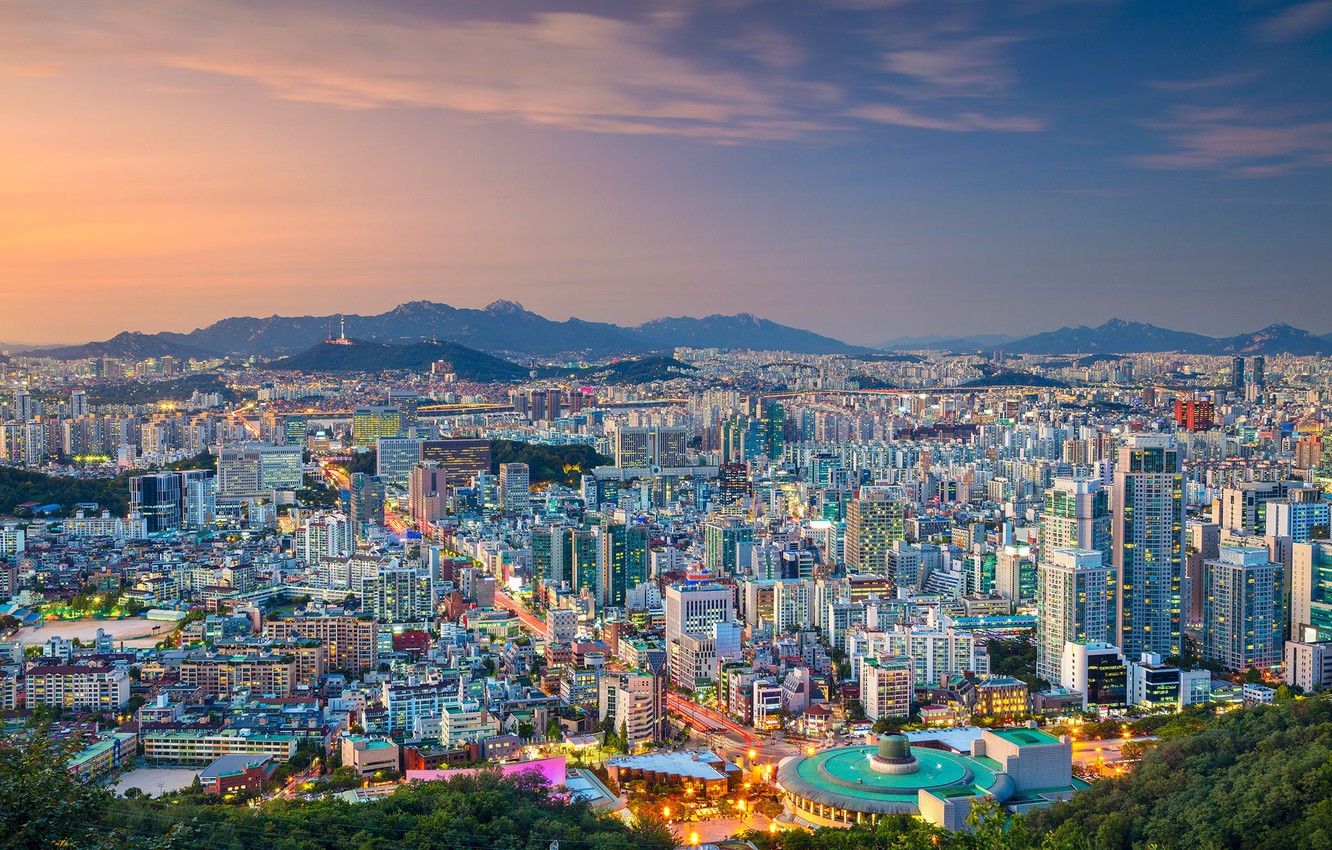
South Korea in the 1970s underwent a violent industrial transformation that shifted the country from a fragile, aid-dependent agrarian state into a formidable manufacturing exporter. While the 1960s laid foundations through light manufacturing like textiles and wigs, the 1970s defined the "Miracle on the Han River" through capital-intensive state planning. President Park Chung Hee's regime staked the nation’s survival on a high-stakes gamble: pivoting entirely toward heavy and chemical manufacturing. This aggressive pivot built the steel mills, shipyards, and electronics factories that still anchor global conglomerates today.
Understanding this decade requires looking past clean economic statistics to examine how state-directed finance, intense labor mobilization, and severe political control intersected. The 1970s wasn't a smooth ascent; it was a pressurized crucible characterized by severe inflation, heavy foreign debt, and immense social friction that permanently altered Korean society.
The Strategic Shift: Why Light Industry Hit a Wall
By the early 1970s, South Korea's export-led model built on cheap, low-skilled labor was running out of steam. Developing nations across Southeast Asia and Latin America began undercutting Korean textile and wig exports, while rising domestic wages threatened competitiveness. At the same time, shifting geopolitical realities—specifically the Nixon Doctrine and the potential drawdown of US troops from the Korean Peninsula—forced Seoul to realize that an autonomous economy was essential for national defense.
The state faced a stark choice: settle into a permanent plateau of low-wage assembly work or force a structural leap into complex industrial sectors. In January 1973, President Park announced the Heavy and Chemical Industry (HCI) Drive. This policy redirected national resources toward six strategic pillars:
- Steel
- Non-ferrous metals
- Machinery
- Shipbuilding
- Electronics
- Chemicals
The government didn't wait for private markets to accumulate enough capital, which would have taken generations. Instead, Seoul used state-controlled banks to channel cheap credit, tax exemptions, and foreign loan guarantees directly to favored corporate partners, laying the foundation for modern chaebols.
The Infrastructure of Ambition: POSCO and Massive Shipyards
The physical manifestation of the 1970s economic policy is best observed in the construction of integrated industrial complexes. The Pohang Iron and Steel Company, known today as POSCO, stands as the era's definitive monument. Built with war reparations from Japan and sheer national discipline, the Pohang works transformed a quiet fishing village into a roaring steel production hub. Access to cheap, domestically produced steel acted as vital nourishment for downstream manufacturers, fueling the rapid expansion of shipyards along the southern coast and automobile assembly lines in Ulsan.
Shipbuilding went from a domestic novelty to a global powerhouse within a few short years. Companies like Hyundai Heavy Industries constructed massive dry docks simultaneously with the ships themselves, betting the company on future global trade expansion before they even secured international buyers. This heavy capital investment carried enormous risk. If global shipping demand had stalled, the entire financial structure of South Korea would have collapsed under the weight of non-performing state-backed loans.
Rural Transformation: The Saemaul Undong Movement
While factories rose along the coast, the countryside risked being left behind by rapid urbanization. To bridge the widening income gap between modernizing cities and traditional farming villages, the government launched the Saemaul Undong (New Village Movement) in 1970.
Unlike top-down welfare programs, Saemaul Undong operated on a strict philosophy of self-help, diligence, and cooperation. The central government distributed identical amounts of raw materials—typically bags of cement and steel sheets—to thousands of rural villages. Whether those materials became a paved road, a modernized bridge, or a communal roof depended entirely on whether the villagers could organize themselves cooperatively to finish the work. Villages that demonstrated internal unity received more resources; dysfunctional villages received nothing.
While criticized for its authoritarian execution, the movement rapidly modernized rural infrastructure, replacing thatched roofs with slate tiles, electrifying remote valleys, and integrating agrarian populations into the national market economy.
The Human Cost: Labor Discipline and Political Control
The economic miracle required immense sacrifice from ordinary citizens. To keep Korean exports competitive on the global stage, the state tightly suppressed wages and systematically dismantled independent labor unions. Factory workers—many of them young women migrating from rural provinces to work in textile and light electronics sweatshops—endured grueling 12-to-14-hour shifts under harsh conditions.
Political freedom contracted sharply during this period. In 1972, Park introduced the Yushin Constitution, an authoritarian legal framework that granted the presidency sweeping emergency powers, eliminated presidential term limits, and effectively institutionalized dictatorship in the name of economic efficiency. State intelligence agencies monitored political dissent closely, viewing social unrest as a direct threat to national security and export targets.
Economic Overheating and the Late-Decade Crisis
The aggressive focus on heavy industry eventually pushed the economy to its breaking point by the end of the decade. Pouring immense capital into heavy machinery and chemical plants created massive overcapacity in some sectors while starving consumer goods and light industries of necessary investment.
By 1979, the combination of domestic overinvestment, runaway inflation averaging over 20%, and the external shock of the Second Oil Crisis brought high growth to a sudden halt. South Korea recorded its first year of negative economic growth since 1962. The structural imbalances of the 1970s forced a painful period of rationalization and economic stabilization in the early 1980s, proving that state-directed industrial policy carried severe systemic risks alongside its visible triumphs.
Frequently Asked Questions
What was the main economic goal of South Korea in the 1970s?
The primary goal was transitioning from light consumer goods manufacturing (like textiles) to capital-intensive heavy and chemical industries to achieve export independence and self-reliant national defense.
How did the government fund the Heavy and Chemical Industry Drive?
The state utilized government-controlled commercial banks to direct low-interest credit, tax incentives, and foreign loan guarantees to selected private conglomerates, heavily socializing the financial risk.
What was the Saemaul Undong movement?
Initiated in 1970, Saemaul Undong was a rural modernization campaign that provided basic construction materials to villages conditional upon community cooperation, self-help, and collective labor.
Why did South Korea's economy struggle by 1979?
Overzealous state-backed investments led to severe industrial overcapacity, double-digit inflation, and high corporate debt, which collided destructively with soaring global oil prices during the Second Oil Crisis.



