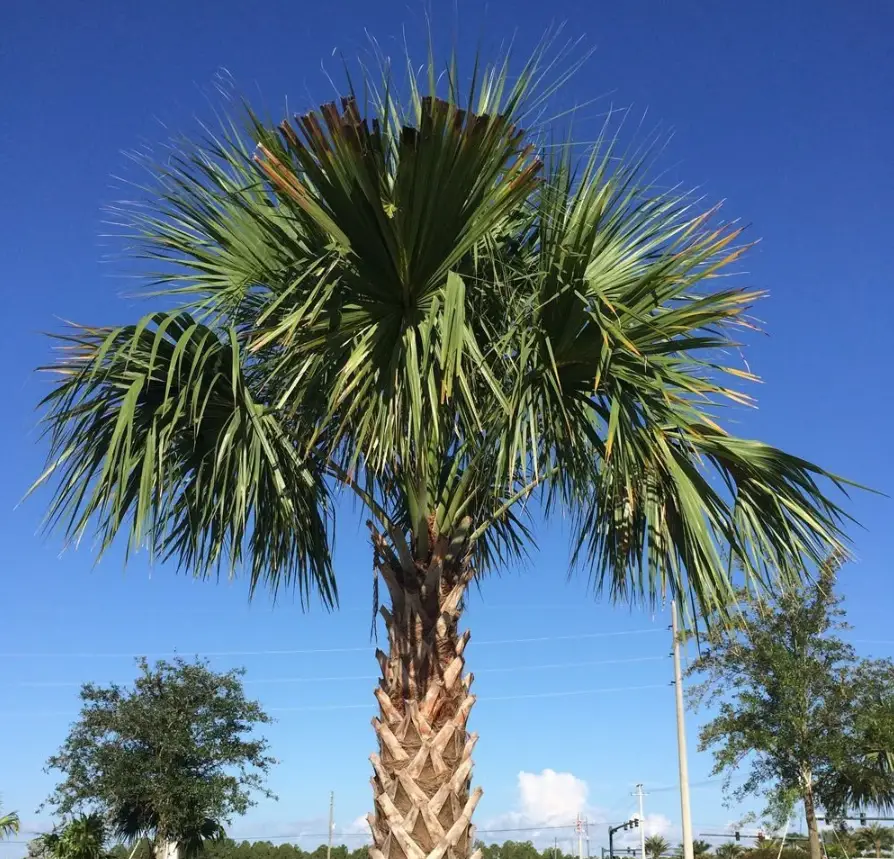
South Carolina's housing market has transformed dramatically over recent years, drawing buyers from across the country with a mix of coastal appeal, economic growth, and relative affordability. Analyzing regional trends through housing platforms like Zillow reveals clear frontrunners where buyer demand, price appreciation, and lifestyle factors converge. If you're tracking where the Palmetto State's momentum is heading, understanding these high-demand micro-markets is essential.
Housing demand across South Carolina splits into distinct geographical categories: historic coastal enclaves, rapidly expanding suburban corridors, and revitalized inland manufacturing and tech hubs. Buyers aren't just looking for houses anymore; they're targeting specific community traits that offer long-term value and everyday livability.
What Drives Demand in South Carolina Housing Markets
Market desirability in the Palmetto State rests on a few predictable pillars, though their weight varies depending on whether you're looking at the Lowcountry or the Upstate.
- Proximity to Water and Coastlines: Direct ocean access, tidal creeks, and major inland reservoirs like Lake Murray and Lake Keowee consistently command the highest price premiums. Properties within walking distance of public beach access or private docks see multi-year appreciation rates that outpace state averages.
- Economic Diversification and Job Growth: Influxes of major manufacturing, aerospace, and tech employers around Greenville, Spartanburg, and the Charleston metro area create steady demand from relocating professionals who need stable housing near urban cores.
- Walkable Downtown Revitalization: Younger buyers and retirees alike lean heavily toward historic or newly urbanized downtown districts where dining, cultural events, and outdoor greenways sit within walking distance.
Top Neighborhoods and Communities Shaping the Market
When tracking active inventory and valuation shifts, several specific areas stand out as the primary hotspots for buyers and investors. To explore the bigger picture, we recommend the recent analysis by The New York Times.
Sullivan's Island and Isle of Palms
Positioned just outside Charleston, these barrier island communities represent the pinnacle of coastal South Carolina real estate. Strict local zoning laws keep commercial development minimal, preserving a quiet, residential beach-town atmosphere. Inventory is severely constrained, pushing median values well past the million-dollar threshold. Buyers here are paying for historic architectural character, immediate beach access, and tight-knit community associations.
Mount Pleasant
As a suburban extension of Charleston, Mount Pleasant bridges historic charm with modern master-planned convenience. Neighborhoods like Old Village offer historic character along the harbor, while newer subdivisions further north provide master-planned amenities, top-tier public school clusters, and quick access to local beaches. Price points here offer a slightly broader range than neighboring Sullivan's Island, though demand remains fiercely competitive.
Downtown Greenville and Historic Upstate Enclaves
The Upstate has emerged as a powerhouse, anchored by Greenville's nationally recognized downtown renovation. Neighborhoods surrounding downtown—such as the Historic Hampton-Pinckney district and Overbrook—feature restored craftsman bungalows and Victorian homes sitting within blocks of the Swamp Rabbit Trail. Buyers moving from higher-cost eastern or western states find that Greenville offers urban amenities without the extreme price tags typical of major metropolitan centers.
Bluffton and the Lowcountry Mainland
Situated near Hilton Head Island, Bluffton has exploded from a quiet historic village into a massive residential hub. Master-planned communities here focus heavily on outdoor living, featuring golf course frontages, lagoon views, and extensive community trail systems. It attracts a heavy wave of retirees and remote workers seeking milder winters and coastal proximity at a lower price point than immediate oceanfront acreage.
Common Mistakes When Buying in South Carolina
Navigating a competitive regional market often leads buyers into traps that can cost thousands down the line.
- Underestimating Environmental and Insurance Costs: Buying near the coast or low-lying inland areas requires careful review of flood zones. Homeowners insurance and flood insurance premiums in coastal counties can dramatically alter your monthly housing budget. Always pull official flood maps before making an offer.
- Ignoring Seasonal Market Swings: Coastal markets like Charleston experience heavy seasonal fluctuations in inventory and pricing, often peaking in late spring and early summer. Rushing a purchase during peak tourist season can mean competing with vacation-rental investors.
- Overlooking Property Taxes for Non-Residents: South Carolina offers favorable property tax rates for primary residences (owner-occupied properties are assessed at 4%), but secondary homes and investment properties jump to a 6% assessment ratio. Factor this distinction into your long-term calculations if you plan to buy a vacation home.
Frequently Asked Questions
What is the median home price in South Carolina?
Statewide median home values hover around $270,000 to $300,000, though this figure masks stark contrasts. Coastal urban centers like Charleston and resort islands regularly see medians exceeding $500,000 to over $1 million, while rural inland counties offer significantly lower entry points.
Which areas in South Carolina are growing the fastest?
The Charleston metro area (particularly Berkeley and Dorchester counties), the Myrtle Beach corridor, and the Greenville-Spartanburg Upstate region lead the state in population growth and new residential construction permits.
Is South Carolina a buyer's or seller's market?
Market conditions fluctuate by neighborhood, but desirable locations with strong job markets or coastal access generally lean toward sellers due to steady net migration into the state. Suburban construction has helped ease inventory crunches in certain price brackets, giving patient buyers more room to negotiate.
How do property taxes work for retirees moving to South Carolina?
South Carolina is widely considered tax-friendly for retirees. The state does not tax Social Security benefits, and residents over 65 qualify for a homestead exemption that shields the first $50,000 of the value of their primary residence from property taxes.


