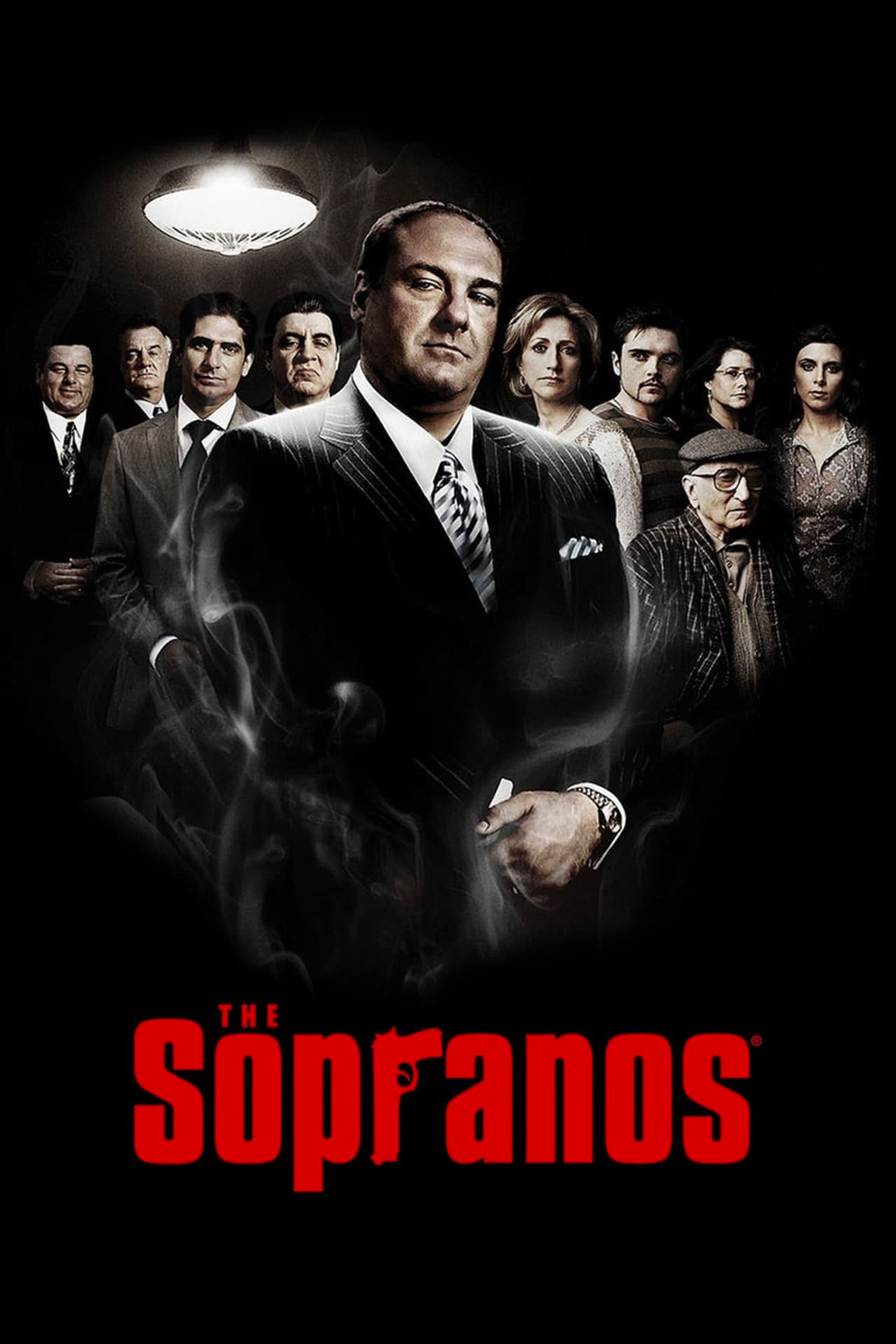
When HBO premiered The Sopranos in 1999, television was a medium dominated by clean-cut heroes, neat episodic resolutions, and moral clarity. David Chase’s creation shattered those rules by centering a prestige drama on a heavy-breathing, panic-attack-suffering New Jersey mob boss who loved his ducks as much as he ordered hits. The show's enduring legacy rests entirely on an ensemble cast that treated organized crime not as a cartoonish action trope, but as a suffocating, small-town corporate grind governed by severe psychological trauma.
This deep dive examines how the primary actors built characters that changed screen acting forever, the specific dynamics that drove the narrative across six seasons, and the structural choices that made the series a permanent blueprint for modern serial storytelling.
Tony Soprano and the Birth of the Prestige Anti-Hero
Before Tony Soprano, network and cable executives didn't believe audiences would root for a serial adulterer, extortionist, and murderer. James Gandolfini changed that calculus by injecting raw, terrifying vulnerability into a violent criminal. Gandolfini didn't play Tony as a cool cinematic mobster in the tradition of The Godfather; he played him as a stressed suburban father whose job happened to involve execution-style violence.
The genius of Tony's character arc is the constant tension between his desire for self-improvement and his absolute refusal to change. Through his sessions with Dr. Jennifer Melfi, Tony weaponized therapy, using the insights of psychoanalysis to become a more efficient, ruthless criminal rather than a more ethical human being. Gandolfini’s physical acting—the heavy sighs, the sudden explosive rages, the silent dread sitting behind his eyes during quiet moments—redefined what television performers could achieve without speaking a line of dialogue.
The Supporting Pillars of the New Jersey Crime Family
While Gandolfini anchored the series, the ecosystem surrounding him required actors who could match his intensity without flattening into stereotypes.
Christopher Moltisanti and Generational Failure
Michael Imperioli brought a twitchy, tragic ambition to Christopher Moltisanti, Tony's nephew and surrogate son. Christopher represented the failure of the American dream within the mafia underworld. He wanted to write screenplays and find legitimate artistic fulfillment, yet he remained trapped by a violent heritage he couldn't escape. His addiction struggles and eventual fate serve as one of the show's most brutal examinations of cyclical trauma.
Carmela Soprano and Complicit Domesticity
Edie Falco played Carmela as a woman caught in an impossible moral cage. She wanted the status, designer clothes, and big house afforded by blood money, yet she tried to maintain a veneer of Catholic piety and maternal virtue. Falco's performance excelled in the quiet scenes—the loaded silences across a breakfast table, the devastating realization that her husband's wealth had a body count she was actively helping to whitewash.
Dr. Jennifer Melfi as the Moral Compass
Lorraine Bracco’s Dr. Melfi served as the audience's proxy inside the narrative. She was educated, ethical, and increasingly fascinated—and endangered—by her apex-predator patient. Melfi's journey exposed the limits of psychiatry when faced with clinical psychopathy. Her decision to finally cut ties with Tony remains a masterclass in narrative discipline, refusing to give viewers a neat Hollywood redemption arc.
The Ensemble Chemistry and Authenticity
The casting process run by Georgianne Walken and Sheila Jaffe relied heavily on theater actors, character performers, and individuals with authentic regional roots. Over ninety percent of the ensemble's actors had Italian-American heritage or deep ties to New York and New Jersey theater. This grounded the dialogue in a rhythmic, organic authenticity that felt less like scripted television and more like dropped-in documentary footage.
Actors like Tony Sirico (Paulie Gualtieri) and Steven Van Zandt (Silvio Dante) brought lived-in mannerisms that writers quickly incorporated into future scripts. Sirico famously insisted that his character Paulie could never turn into a government informant, preserving the insular, paranoid code of the street that ultimately doomed everyone in the orbit of the DiMeo crime family.
Frequently Asked Questions
Who created The Sopranos and when did it air?
The series was created by David Chase and ran on HBO for six seasons comprising 86 episodes from January 10, 1999, to June 10, 2007.
How many Emmy Awards did the show win?
The series won 21 Emmy Awards during its run, including historic wins for drama series and lead acting categories for James Gandolfini and Edie Falco. You can explore official records at the Television Academy.
Where was the show filmed?
While interior scenes were filmed at Silvercup Studios in Long Island City, the vast majority of exterior and location shoots took place across actual neighborhoods in northern New Jersey, establishing a gritty realism that defined the look of the show.
Did any main cast members pass away after the show ended?
Yes, several key actors have passed away, including Nancy Marchand (Livia Soprano) during the show's run in 2000, James Gandolfini in 2013, and Tony Sirico in 2022. Their work remains permanently archived in television history through resources like the British Film Institute.


