Building a lasting film franchise based on a video game used to be a recipe for guaranteed box office failure. For decades, Hollywood treated source material like rough outlines, changing character designs, altering lore, and alienating the very fans who made the properties popular. Paramount Pictures flipped that script when they launched their live-action adaptations. By treating characters with respect, balancing humor with genuine stakes, and mapping out a cohesive timeline, they created a blueprint for how a video game cinematic universe can actually work.
Instead of rushing straight into a massive crossover event with dozens of characters, the studio focused on building a rock-solid foundation. They started small, kept the character dynamics grounded with human costars, and expanded the roster film by film. If other studios want to replicate this success, they have to look past the CGI spectacle and study the specific structural decisions that kept this franchise alive and growing.
Start Small and Ground the Lore
The biggest trap in franchise building is scale inflation. Studios often panic and try to introduce an entire universe in the first ninety minutes, leaving viewers overwhelmed and unattached to anyone on screen. The first film didn't drop audiences onto a distant alien planet with a massive cast of anthropomorphic animals. It kept things intimate.
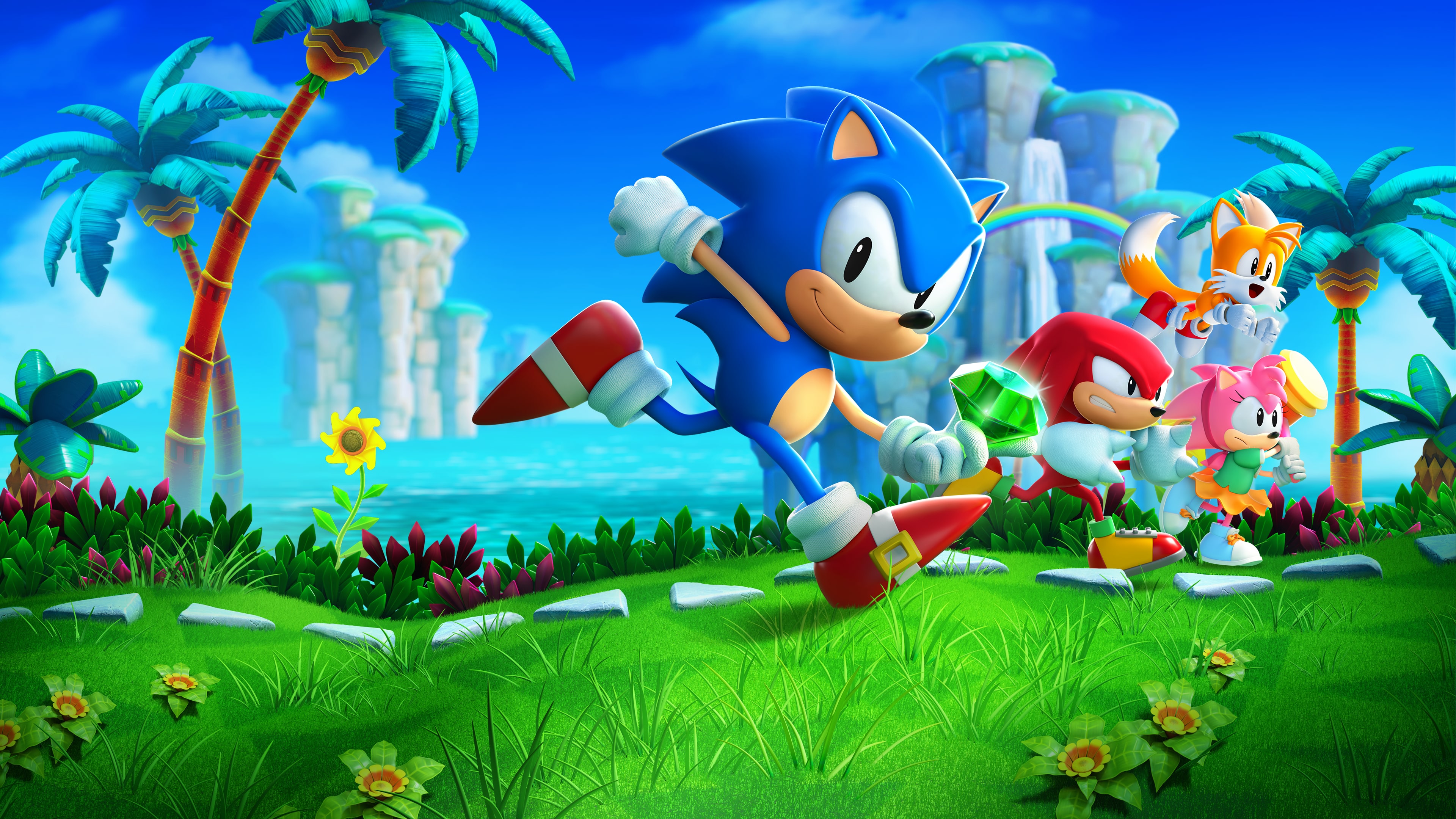
Sonic landed in a quiet Oregon town and bonded with a local sheriff. That small-scale approach gave viewers a reason to care about the protagonist before introducing heavy sci-fi elements like Chaos Emeralds, government conspiracies, and interdimensional travel. By easing audiences into the lore slowly, the creative team built trust. When Tails and Knuckles arrived in subsequent sequels, viewers were ready to accept them because the world felt established and lived-in.
Treat Fan Feedback as a Course Correction, Not an Insult
One of the most pivotal moments in modern blockbuster history happened before the first film even hit theaters. When the initial trailer dropped, the original design for the title character sparked universal backlash. Paramount didn't double down or dismiss the audience. They delayed the release, sent the visual effects team back to work, and redesigned the character to match fan expectations.
That single choice changed the entire relationship between the studio and the fanbase. It signaled that the production team respected the source material and valued the people buying tickets. Too many cinematic universes fail because creators think they know better than the audience. Listening early built a reservoir of goodwill that carried the sequels through minor narrative flaws and creative risks.
Balance Nostalgia with Fresh Storytelling
Video game adaptations usually fail because they rely entirely on Easter eggs and references, forgetting to tell a compelling story for casual moviegoers. This franchise found the right balance by using game lore as a toolkit rather than a rigid checklist. Elements from different eras of the franchise—spanning classic titles and modern adventures—were remixed to fit a cinematic narrative.
For example, bringing in Shadow the Hedgehog wasn't just about fan service; it introduced a complex moral foil that forced the main characters to mature. The writing didn't pander. It offered high-energy action sequences for younger viewers while grounding emotional beats that resonated with older audiences who grew up playing the games in the 1990s.
Expand Through Television and Strategic Spinoffs
A true cinematic universe needs room to breathe outside of main event films. Rather than forcing every secondary character into a bloated sequel, the franchise utilized streaming television to test new waters. The Knuckles streaming series on Paramount+ proved that supporting characters could carry their own stories without cluttering the theatrical runtime.
This hub-and-spoke model keeps the brand active between major theatrical releases. It gives filmmakers the space to flesh out backstories and lore without slowing down the pacing of the core movies. When characters return for crossover events, their motivations are already clear.
Common Mistakes That Ruin Video Game Universes
Many studios attempt to copy this formula and stumble into predictable traps. Avoiding these missteps is essential for maintaining momentum over multiple sequels:
- Rushing the crossover: Introducing too many heroes too fast prevents audiences from forming an emotional connection with anyone.
- Ignoring casual viewers: Leaning so heavily on deep-cut references that anyone who hasn't played every single game feels completely lost.
- Overcomplicating the timeline: Retconning major plot points between entries just to chase unexpected trends or shocking twists.
- Neglecting human stakes: Relying entirely on CGI spectacle while forgetting that audiences need relatable characters to anchor the chaos.
Frequently Asked Questions
How many films are planned in this franchise?
Paramount has continued expanding the series well past initial expectations, with sequels and event films mapped out through the late 2020s, including Sonic the Hedgehog 4 and planned spin-off projects.
Are the TV shows required viewing to understand the movies?
No. While the television shows provide extra context and character development for supporting figures like Knuckles, the main feature films are self-contained enough for general audiences to follow easily.
Why did the original character design change?
The initial design featured realistic proportions and human-like teeth that terrified audiences. Negative fan feedback online prompted the director and studio to delay the film and completely redesign the character to resemble the classic video game appearance.
Will other game characters appear in future sequels?
The creative team has consistently introduced fan-favorite characters from across the franchise history with each successive installment, making future appearances likely as the scope widens.


