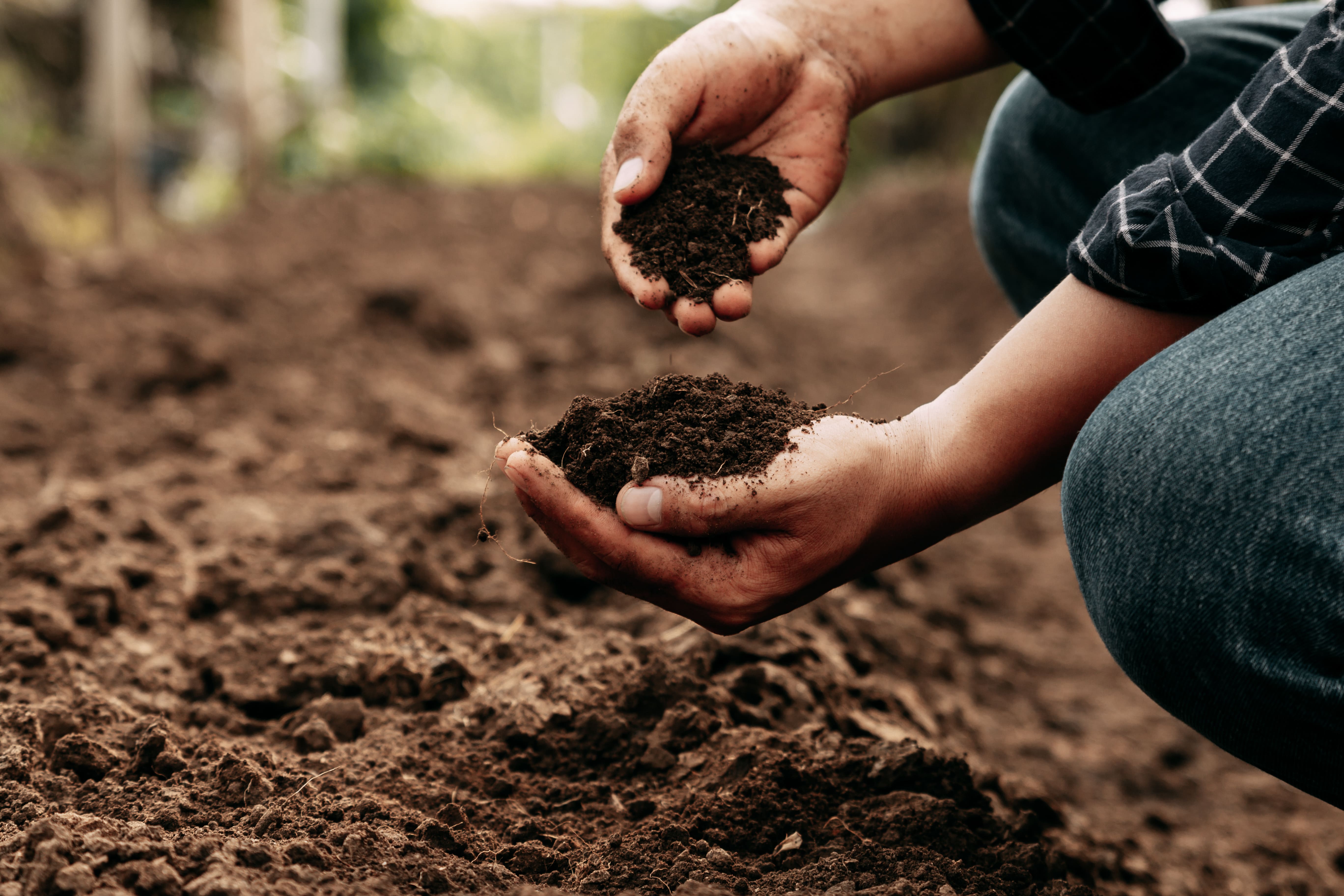
Soil contamination in residential yards isn't just an abstract industrial problem. In historic towns like Doylestown, Pennsylvania, shifts in land use, former manufacturing operations, and localized runoff mean that residential dirt can harbor hidden chemical residues. If you're growing vegetables or letting your kids play in the yard, understanding what's beneath the surface matters.
Many property owners assume that suburban yards are pristine. Yet, industrial legacies, aging infrastructure, and chemical treatments leave lasting traces. Knowing how to spot potential warning signs and verify your soil's safety protects your family's health.
Where Backyard Soil Contamination Comes From
Suburban soils accumulate contaminants through both historical activities and modern habits. Doylestown features a mix of historic residential zones, commercial corridors, and former industrial pockets.
Industrial Heritage and Localized Spills
Decades ago, environmental regulations were laxer. Small-scale manufacturing, metal-working, dry-cleaning establishments, and local auto-repair shops often released solvents or heavy metals into the ground. Over time, these pollutants migrated through shallow groundwater or spread via wind-blown dust into adjacent residential areas. For instance, sites like the Chem-Fab Superfund location in the Doylestown area highlight how industrial byproducts can impact local ground systems.
Lead Paint and Structural Aging
Homes built before the mid-20th century frequently carry hidden burdens. Exterior lead-based paint chips off over decades, accumulating directly in the drip line surrounding the foundation. When homeowners renovate or paint peels naturally, lead particles settle into the top few inches of topsoil. Children playing near the base of older porches or garden beds face direct exposure to these concentrated metal deposits.
Agricultural Residues
Before suburban housing developments expanded, much of Bucks County was dedicated to farming. Past agricultural practices relied heavily on pesticides, arsenical compounds, and fertilizers. Elements like arsenic and copper linger indefinitely in the upper soil layers, long after the barns and fields disappear.
Health Risks Associated with Contaminated Dirt
When toxic elements mix into residential topsoil, they don't stay locked away. They enter the human body through accidental ingestion of dust, dermal absorption, or consumption of vegetables grown in tainted garden beds.
- Heavy Metal Accumulation: Lead and cadmium impair neurological development, particularly in young children whose developing nervous systems absorb heavy metals more readily.
- Carcinogenic Volatile Organic Compounds: Long-term exposure to certain industrial solvents and persistent organic pollutants elevates lifetime cancer risks.
- Gastrointestinal and Skin Irritation: Direct contact with high concentrations of chemical residues can trigger contact dermatitis or chronic stomach issues if dust is tracked indoors and ingested.
How to Test Your Yard's Soil
Guessing won't keep your family safe. If you suspect your property has a history of industrial proximity, old structures, or heavy pesticide use, testing is the only reliable path forward.
Purchasing a Test Kit
You don't need to hire an expensive private consultant right away. Local resources like the Penn State Extension office in Bucks County provide standard soil test kits for nominal fees. These kits give you clear instructions on gathering representative samples from different zones across your yard.
Collecting Samples Properly
- Map your yard: Divide your property into distinct zones, such as the vegetable garden, the children's play area, and the foundation drip line.
- Gather cores: Use a clean trowel to scoop soil from the top six inches in a zig-zag pattern across each zone. Avoid mixing areas together.
- Dry and package: Let the samples air-clean on paper towels, then pack them into the submission container provided by the testing laboratory.
- Specify concerns: When you mail or drop off your sample, note if you are testing specifically for heavy metals like lead and arsenic, or general nutrient balance.
Practical Steps to Minimize Exposure
If your soil tests show elevated contaminant levels, panic isn't necessary. Practical containment strategies isolate your family from direct contact while you remediate the problem.
Build Raised Garden Beds
If your native backyard dirt contains heavy metals, stop growing root vegetables and leafy greens directly in the ground. Construct raised garden beds and fill them with certified clean topsoil and organic compost. This breaks the physical connection between edible crops and contaminated underlying earth.
Cover Exposed Dirt
Bare soil acts as a vector for dust that can track indoors on shoes and pet paws. Cover bare patches with thick layers of mulch, ornamental gravel, or dense turf grass. Creating a physical barrier prevents children from kicking up and inhaling toxic dust during dry summer months.
Practice Rigorous Hygiene
Keep outdoor shoes at the door to avoid tracking contaminated garden dust through your living space. Teach children to wash their hands thoroughly after playing outside, and wipe down household hard floors and window sills regularly with a damp cloth.
Frequently Asked Questions
Can I tell if my soil is contaminated just by looking at it?
No. Many hazardous chemicals and heavy metals are completely invisible, odorless, and tasteless. Soil can look dark, rich, and fertile while harboring high concentrations of lead or arsenic.
Do homegrown vegetables absorb heavy metals?
Yes, certain plants take up heavy metals into their tissues. Root vegetables (like carrots and radishes) and leafy greens (like lettuce and spinach) accumulate metals more readily than fruiting crops (like tomatoes, peppers, and squash).
How often should residential soil be tested?
If you live in a newer development built on clean fill, testing once is usually sufficient. If your home is over 50 years old, near an old industrial site, or if you notice unexplained paint flaking, test every few years or before starting a major new vegetable garden.
What should I do if my test results show high lead levels?
Contact the Pennsylvania Department of Environmental Protection or an environmental health professional for guidance. Often, professional remediation involves excavating the top few inches of affected soil and replacing it with clean, tested fill.



