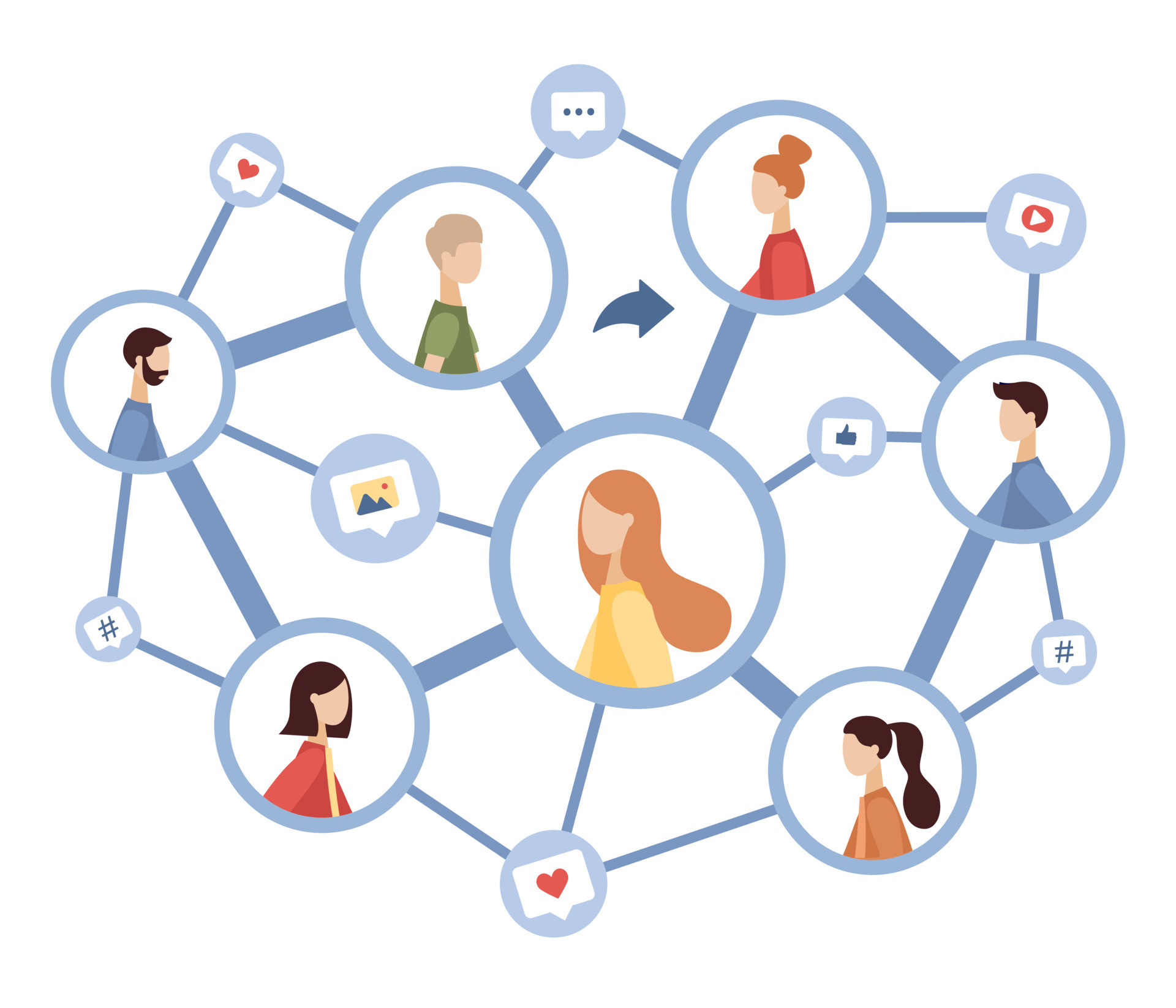
The modern creator ecosystem operates on an entirely different set of rules than traditional media ever did. Young women and girls building audiences across platforms aren't just participating in online trends—they're rewriting the economic and social architecture of the internet. While older media models relied on top-down celebrity status and polished broadcast standards, today's digital spaces belong to creators who treat audiences as peers rather than fans.
At its core, this shift transforms how influence functions in everyday life. Traditional marketing and media gatekeepers spent decades dictating what aspirational lifestyle looked like. Today, young creators dismantle those barriers by showcasing unpolished realities, niche expertise, and community-first monetization models. Understanding this shift requires looking past follower counts to examine how authenticity, fluid identity expression, and interactive community building actually work on platforms like TikTok and Instagram.
The Economics of Relatability Over Reach
For years, digital influence was measured by raw scale. Brands chased mega-influencers with millions of followers, assuming mass visibility automatically translated to consumer trust. That equation has inverted. Micro-creators and nano-influencers—predominantly young women building hyper-focused communities—frequently generate higher engagement rates and conversion metrics than legacy celebrities.
This change stems from how information is consumed and trusted. When a creator shares an honest review of a skincare product from a bedroom desk rather than a professional studio, viewers perceive lower commercial bias. According to data from the Pew Research Center, younger demographics place significantly higher trust in peer recommendations and independent online creators than in traditional corporate advertising. Further information on this are detailed by Associated Press.
Monetization has evolved alongside this trust. Creators build sustainable income streams through direct-to-consumer platforms, subscription models like Patreon, and affiliate links rather than relying solely on high-dollar brand sponsorships. This independence allows creators to maintain editorial control over their content, reinforcing the authenticity that attracted their audience in the first place.
Fluid Identity and Intersectional Digital Spaces
Online identity used to be a static profile page or a carefully curated personal blog. Today, identity expression functions as an ongoing, multimedia conversation. Young women utilize short-form video, anonymous discussion spaces, and niche forums to explore intersectional aspects of their lives without conforming to traditional demographic pigeonholes.
This fluidity allows creators to blend cultural heritage, neurodiversity advocacy, personal style, and professional interests into cohesive personal brands. For instance, a creator might document her experience navigating higher education with ADHD while simultaneously reviewing sustainable fashion brands and discussing her immigrant family's traditions.
- De-stigmatization: Mental health struggles, financial anxieties, and systemic barriers are discussed openly, turning personal vulnerability into shared cultural validation.
- Global Intersectionality: Cross-cultural dialogues happen organically, allowing creators from underrepresented backgrounds to find global audiences without filtering their experiences through traditional media gatekeepers.
- Dynamic Self-Discovery: Because digital spaces evolve daily, creators can pivot their focus as their personal lives and interests mature, aging alongside their core audiences.
Reengineering Community Through Active Participation
The relationship between creator and audience has moved from passive consumption to active collaboration. On streaming networks and interactive video apps, audiences don't just watch content—they shape its direction in real time through live chat, community polls, and co-created challenges.
This interactivity creates parasocial relationships that feel remarkably reciprocal. When creators host routine Q&A streams, respond directly to comment threads, or invite followers to vote on upcoming project ideas, viewers feel a genuine sense of ownership in the creator's journey.
However, this level of access introduces distinct challenges. Maintaining boundaries becomes difficult when an audience expects constant availability and emotional vulnerability. Creators often navigate burnout and privacy concerns while trying to sustain the very intimacy that built their following. Managing these pressures requires setting clear operational limits, such as designated offline hours and structured content schedules.
Common Mistakes in Analyzing Digital Influence
Observers and marketers often misinterpret the social media creator landscape by applying outdated media frameworks. Recognizing these errors helps explain why certain strategies succeed while others fail.
- Confusing Reach with Impact: Believing that a high follower count guarantees high conversion or deep community loyalty. In reality, engagement depth matters more than raw numbers.
- Treating Demographics as Monoliths: Assuming all young female creators share identical motivations, aesthetics, or political views, ignoring vast niche divergences.
- Viewing Authenticity as a Tactic: Treating "being real" as a marketing script rather than a structural necessity. Audiences quickly detect manufactured vulnerability.
- Ignoring Platform Mechanics: Failing to recognize how specific algorithm updates on apps like YouTube Shorts or TikTok alter creator economics and content formats overnight.
Frequently Asked Questions
What differentiates modern digital influence from traditional celebrity endorsement?
Traditional celebrity endorsements rely on distant aspiration and corporate positioning. Modern digital influence relies on perceived peer equality, direct interaction, and shared daily experiences between the creator and the audience.
How do micro-influencers sustain themselves financially without millions of followers?
Micro-influencers often generate sustainable revenue through diversified streams, including niche brand partnerships, affiliate marketing, direct fan funding through platforms like Patreon, and selling digital products or merchandise to highly dedicated communities.
Why is authenticity so critical in current digital spaces?
Overexposure to traditional advertising has created widespread skepticism among digital audiences. Creators who present unpolished realities and admit mistakes build higher baseline trust, which translates into more durable community loyalty.
What are the main challenges faced by independent online creators?
Creators frequently struggle with digital burnout, maintaining personal privacy while sharing their lives online, unpredictable algorithmic shifts that impact visibility, and managing the emotional labor of supporting engaged communities.



