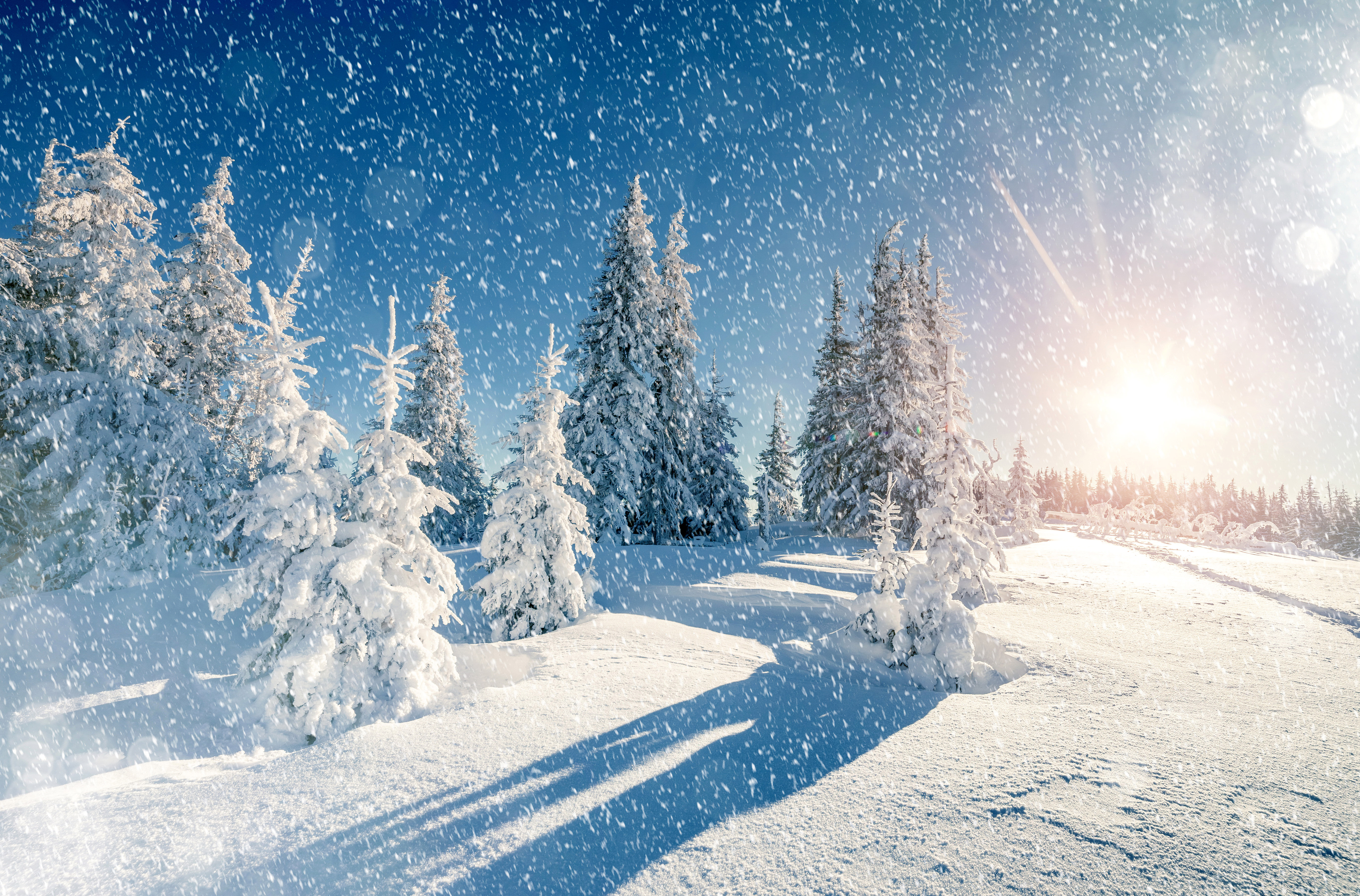
Snow in Huntington Beach, California sounds like a contradiction in terms. Famous for endless sunshine, palm-fringed coastlines, and world-class surf breaks, this coastal Orange County city rarely sees temperatures dip low enough for frozen precipitation. Yet, across the decades, freak weather systems have occasionally transformed the beach into an unexpected winter landscape.
When cold polar air dips deep down the Pacific coast and meets atmospheric moisture, unusual things happen. While you won't be building snowmen on the sand every winter, understanding how and when these rare weather anomalies occur reveals the fascinating meteorology behind Southern California's rare cold snaps.
The Climate Reality of Huntington Beach
To understand why snow here is such an extraordinary event, look at the local climate profile. Huntington Beach sits in a classic Mediterranean zone governed by the Pacific Ocean. The ocean acts as a massive thermal buffer, keeping winter daytime temperatures hovering comfortably in the mid-60s Fahrenheit.
For snow to reach sea level in Orange County, a very specific sequence of atmospheric events must align. Meteorologists look for a strong, cold-core low-pressure system dropping out of the Gulf of Alaska, bringing freezing air straight down the Pacific corridor without warming up over the ocean. At the same time, sufficient moisture must be present to produce precipitation precisely as those freezing temperatures arrive. If the cold air arrives dry, you get clear, chilly skies. If the moisture lingers when temperatures are too high, you get cold rain.
According to historical climate data from the National Weather Service, sea-level snow in Southern California coastal cities requires freezing levels in the atmosphere to drop significantly lower than normal—often below 2,500 feet.
Historical Timeline of Southern California Coastal Snow
Snowfall in coastal Orange County isn't entirely unprecedented, but it is historic. Looking back through meteorological records and local archives reveals that while inland mountains like the Santa Ana range routinely collect winter coats of white, the actual shoreline rarely joins in.
- January 1949: A notable cold snap dropped temperatures across Southern California, bringing light flurries and graupel (soft hail) to coastal areas in Orange County.
- January 1962: Low-pressure systems delivered brief winter mixing to parts of Huntington Beach, with light accumulations reported away from the immediate surf zone.
- January 1985: A potent arctic intrusion pushed freezing air deep into the basin, resulting in scattered reports of snow pellets and brief flurries across local neighborhoods.
- Recent Decades: While widespread snow on the actual sand of Huntington Beach remains undocumented in modern meteorological logs, nearby inland elevations—such as parts of Fountain Valley, Costa Mesa, or the foothills of the Santa Ana Mountains—frequently experience hail or graupel storms that locals mistake for true snow. For instance, cold winter storms in recent years have blanketed nearby hillsides, creating the illusion of a snowy backdrop visible right from the Pacific Coast Highway.
Why Graupel Is Often Mistaken for Snow
When residents claim they've seen snow in Huntington Beach, they are often witnessing a meteorological cousin known as graupel, or sometimes soft hail.
Graupel forms when supercooled water droplets in clouds collect and freeze on the surface of falling snowflakes. This creates small, opaque, white pellets that look remarkably like miniature snowballs or Dippin' Dots. Because they are bouncy and opaque, people frequently mistake them for real snow flurries.
Unlike true snowflakes, which form delicate hexagonal crystals high in the atmosphere, graupel is heavier, denser, and falls much faster. When a powerful cold front rolls off the Pacific and crashes into Orange County, heavy showers can produce intense graupel storms that briefly whiten driveways and lawns, melting away within minutes of the sun breaking through the clouds.
The Economic and Community Impact of Cold Spaps
Even a brief threat of freezing weather or heavy winter mixing creates an immediate buzz throughout the community. Tourism patterns shift slightly as curious visitors head toward coastal viewpoints, hoping to catch a glimpse of snow-dusted palm trees against the ocean backdrop—a surreal juxtaposition often shared widely on social media.
At the same time, sudden cold snaps present real operational challenges for coastal infrastructure.
- Agriculture and Landscaping: Tropical and subtropical plants that thrive in Huntington Beach's mild climate, such as delicate palms, bougainvillea, and succulent gardens, can suffer frost damage when temperatures plunge near freezing overnight.
- Drainage Systems: While the city doesn't maintain snowplows or salt trucks, heavy winter storms accompanying these cold fronts often bring intense downpours, testing local stormwater management systems along the coast.
Frequently Asked Questions
Does it ever actually snow on the beach in Huntington Beach?
True, accumulating snowfall directly on the sand of Huntington Beach has not been scientifically documented in modern history. Most reported sightings of "snow" are actually heavy bouts of graupel, soft hail, or wind-blown flurries originating from intense cold-core low-pressure systems passing over the region.
How often do freezing temperatures occur in Huntington Beach?
Actual freezing temperatures (32°F or below) are exceedingly rare right along the coastline because of the warming influence of the Pacific Ocean. Most winter nights see lows bottoming out in the upper 45°F to 50°F range.
Can you see snow-covered mountains from Huntington Beach?
Yes. On clear winter days following a major storm system, residents can easily see the snow-capped peak of Mount Baldy and the surrounding San Gabriel and Santa Ana mountains clearly from the beach and local piers.
What is the coldest temperature ever recorded in Orange County?
While coastal areas stay mild, inland valleys in Orange County have dropped into the low 20s during historic freeze events, though coastal zones like Huntington Beach generally avoid such extreme lows due to maritime moderation.



