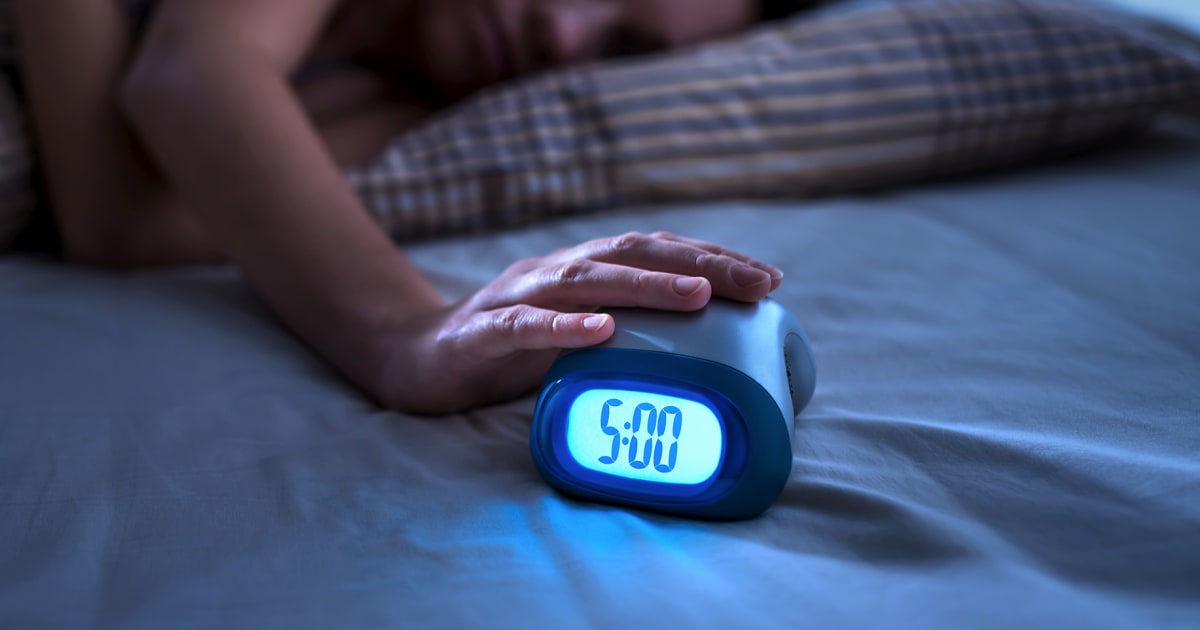
Waking up later than your usual alarm might feel like a minor failure in discipline, but a growing body of sleep science reveals unexpected physiological upsides. When you utilize the snooze feature or intentionally grant yourself an extra stretch of morning rest, you aren't just delaying the inevitable. You're giving your brain a final window to complete crucial sleep cycles, lower morning cortisol spikes, and mitigate chronic sleep debt.
The primary search intent behind queries for snooze am and the hidden benefits of waking up later is informational and exploratory. Readers are looking to understand whether hitting the snooze button or shifting wake-up times carries genuine health benefits, or if it merely ruins morning productivity. While standard productivity culture warns against lingering in bed, physiological research shows that an extra ten to thirty minutes of morning slumber can buffer against acute cognitive fatigue, provided it's managed correctly.
The Physiology of Morning Rest and Sleep Inertia
When your alarm blares at 6:00 AM, your internal clock might still be deep within a rapid eye movement (REM) or late-stage non-REM sleep cycle. Abruptly cutting this cycle short triggers severe sleep inertia—that heavy, disoriented grogginess that makes simple tasks feel impossible.
Allowing yourself a brief extension in the morning lets your nervous system ease out of deep sleep. During these extra minutes, your brain completes final cycles of memory consolidation and emotional processing. According to guidelines from the National Institutes of Health, chronic sleep deprivation elevates cardiovascular strain and impairs executive function. While a morning snooze doesn't replace a full eight-hour night, it acts as a small pressure valve for accumulated exhaustion.
How Cortisol Responds to Gentle Waking
Your body relies on a natural cortisol awakening response to mobilize energy for the day. When an alarm forces you awake too abruptly, that cortisol spike can be overly sharp, fueling anxiety and an immediate sense of panic.
- Gradual awakening: Shifting your wake-up window prevents a sharp stress spike.
- Heart rate stabilization: Waking up without a blaring shock keeps your blood pressure from jumping too fast.
- Mood regulation: Easing into consciousness supports better emotional control during your first morning hours.
Quantifying the Real Benefits of Sleeping In
It's easy to dismiss sleeping in as mere laziness, but controlled data tells a different story. Short, managed extensions of morning rest yield measurable improvements in daily performance.
When researchers examine individuals who allow themselves a brief morning buffer compared to those who jump out of bed instantly, several distinct advantages emerge. Cognitive tests administered mid-morning often show higher reaction speeds and better working memory among those who avoided harsh alarm jarring.
+--------------------------+------------------------------------+
| Alarm Habit              | Physiological Impact               |
+--------------------------+------------------------------------+
| Abrupt alarm, no snooze  | High cortisol spike, sleep inertia |
+--------------------------+------------------------------------+
| Controlled 15m extension | Smoother transition, reduced fog   |
+--------------------------+------------------------------------+
| Excessive 90m snoozing   | Fragmented rest, grogginess        |
+--------------------------+------------------------------------+
Boosting Problem-Solving Capacity
Your prefrontal cortex—the region responsible for complex problem-solving and impulse control—is the last part of the brain to fully wake up. Giving yourself extra time in bed allows blood flow to return steadily to these higher-order brain centers. For creative professionals and analytical thinkers, this gentle ramp-up period translates directly to better focus once work actually begins.
Common Missteps That Turn Snoozing Into a Trap
The hidden benefits of waking up later vanish the moment misuse begins. There is a distinct line between a restorative morning buffer and a disruptive sleep habit that wrecks your circadian rhythm.
One major error is turning the snooze button into an endless loop spanning an hour or more. When you drift back into a full sleep cycle only to have it repeatedly interrupted every nine minutes, you fragment your rest. This creates severe sleep inertia, leaving you feeling far worse than if you had gotten up with the first alarm.
Avoiding the Circadian Trap
Your circadian rhythm thrives on consistency. If you sleep in an extra three hours on a Tuesday, your body clock shifts, making it harder to fall asleep on Tuesday night.
- Keep windows short: Limit your morning extension to a single 10-to-15 minute block if needed.
- Maintain anchor times: Keep your ultimate wake-up time within a 45-minute window every day.
- Get immediate light: Expose your eyes to natural sunlight as soon as you get up to lock in your circadian rhythm.
Frequently Asked Questions
Does hitting the snooze button ruin your sleep quality?
Hitting the snooze button once or twice for a total of 10 to 15 minutes generally doesn't ruin your night's rest, but it does provide lighter, fragmented sleep rather than deep restorative slumber. If you find yourself hitting it five or six times, it's a sign that your overall sleep duration at night is insufficient.
Is it better to wake up slowly or get up immediately?
Waking up slowly is generally better for your nervous system because it avoids an abrupt cortisol spike. However, if you struggle with chronic sluggishness, getting out of bed immediately to get moving and see bright light is often the more effective strategy.
How can I stop waking up exhausted despite sleeping eight hours?
If you sleep eight hours and still feel exhausted, the issue is likely sleep quality rather than quantity. Conditions like mild sleep apnea, nocturnal restlessness, or inconsistent sleep schedules can prevent you from reaching deep restorative stages. Consulting resources from the Sleep Foundation can help you identify underlying disruption patterns.
Can sleeping in on weekends fix weekday sleep debt?
Sleeping in on weekends helps alleviate acute fatigue, but it cannot fully erase chronic weekday sleep deprivation. Furthermore, shifting your schedule drastically on weekends creates social jetlag, making Monday morning significantly harder on your body.