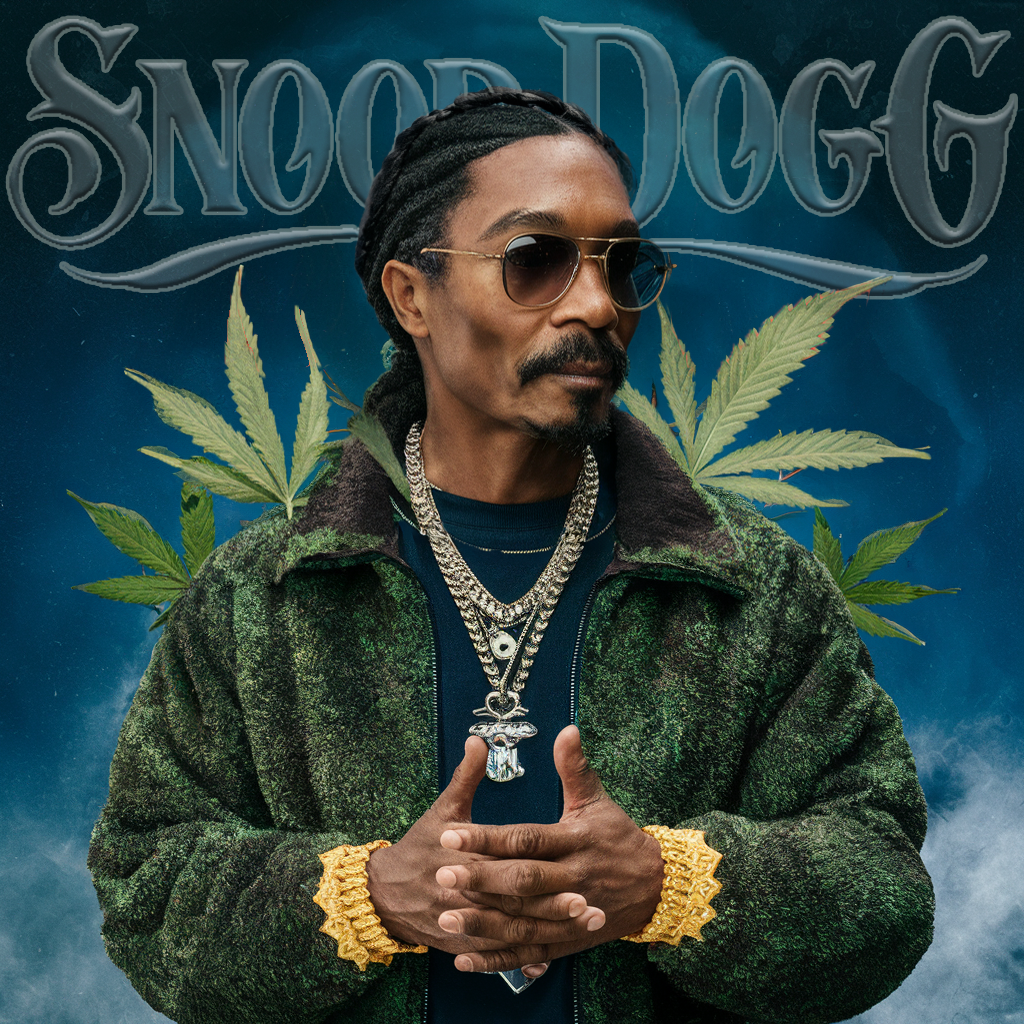
When people talk about Snoop Dogg prison rumors or historical arrest records, they usually picture the harrowing 1993 murder case that threatened to derail his career before it truly began. Long before he became a beloved global entertainer starring in Olympic broadcasts and cooking shows, Calvin Broadus faced high-stakes criminal charges that shadowed his rise to fame. Understanding his actual legal history requires separating sensational urban legends from well-documented court records.
The reality of his interactions with the correctional and judicial systems spans from early drug offenses in his youth to a high-profile murder trial. While web rumors frequently exaggerate incarceration stints or invent modern arrests, his real brush with the penal system shaped both his music and his eventual pivot into mainstream pop culture dominance.
Early Legal Troubles and the 1990 Conviction
Before releasing his landmark debut album Doggystyle in 1993, Snoop navigated a turbulent path through Long Beach. As a teenager, he balanced playing football at Long Beach Polytechnic High School with active affiliation in the local Crip street culture.
Those underground ties caught up with him shortly after high school. In 1990, he was convicted of cocaine possession with intent to sell. That conviction led to a brief period behind bars in a local correctional facility—an experience he has occasionally credited as a stark wake-up call that pushed him to take his musical talent more seriously. Cellblock peers encouraged him to channel his storytelling into rapping, which soon led to his introduction to producer Dr. Dre through his cousin Warren G.
The 1993 Murder Charge and Trial
The most critical legal crisis of his life occurred at the peak of his early fame. In August 1993, a fatal confrontation erupted at Palms Park in Los Angeles involving Snoop's vehicle and a rival gang member named Philip Woldemariam.
Snoop's bodyguard, McKinley Lee, fired the fatal shot. Both Snoop and Lee were subsequently charged with first-degree murder.
- The Surrender: Snoop turned himself in to authorities days after performing at the MTV Video Music Awards.
- The Defense: The defense argued self-defense, maintaining that Woldemariam was reaching for a firearm during an aggressive confrontation.
- The Verdict: Following a lengthy, high-stakes trial in 1995 and 1996, a racially diverse jury acquitted both Snoop and Lee of murder charges.
The ordeal inspired his iconic short film and track "Murder Was the Case," immortalizing the psychological toll of fighting a capital charge while trying to maintain a burgeoning music empire.
Subsequent Arrests and Probation
While he avoided a long-term prison sentence in the 1990s murder trial, subsequent run-ins with law enforcement kept him tied to the legal system through the 2000s.
In 2006, airport security incidents and subsequent searches of his residence uncovered firearm and drug possessions. In 2007, he pleaded guilty to felony drug and weapons charges, resulting in formal probation, community service, and strict court mandates rather than extensive confinement. Over the years, these minor infractions and administrative arrests reinforced public curiosity regarding his legal standing, though none resulted in major institutional time.
Transition From Outlaw to Cultural Institution
The evolution from a controversial gang-affiliated artist facing severe prison time to a mainstream commercial icon represents one of the most remarkable transformations in entertainment history. Rather than letting legal battles destroy his momentum, he leveraged his authenticity while gradually reshaping his public persona.
- Embracing Multimedia: By transitioning into acting, reality television with Martha Stewart, and sports commentary, he rehabilitated his public image for mainstream family audiences.
- Community Advocacy: He shifted his street credibility toward local youth football leagues, violence prevention programs, and community philanthropy in Southern California.
- Corporate Partnership: Today, major brands seek him out precisely because he successfully bridged the gap between raw hip-hop roots and universal corporate appeal.
Frequently Asked Questions
Did Snoop Dogg ever serve real prison time?
He served short stints in local facilities following his 1990 drug conviction and during processing for his 1993 murder case before posting bail, but he was never sentenced to a major long-term prison term.
Was Snoop Dogg convicted of the 1993 murder charge?
No. Following a high-profile trial, a California jury acquitted both Snoop Dogg and his bodyguard of murder charges in 1996.
How did his legal troubles affect his music career?
His legal battles deeply influenced the gritty lyrical themes of his mid-90s work, most notably anchoring his cinematic track "Murder Was the Case" and fueling the early counter-culture narrative of Death Row Records.
What caused his 2007 guilty plea?
He pleaded guilty to felony counts of drug possession and illegal possession of a firearm by a felon, stemming from incidents in late 2006, which resulted in probation and community service rather than prison.


