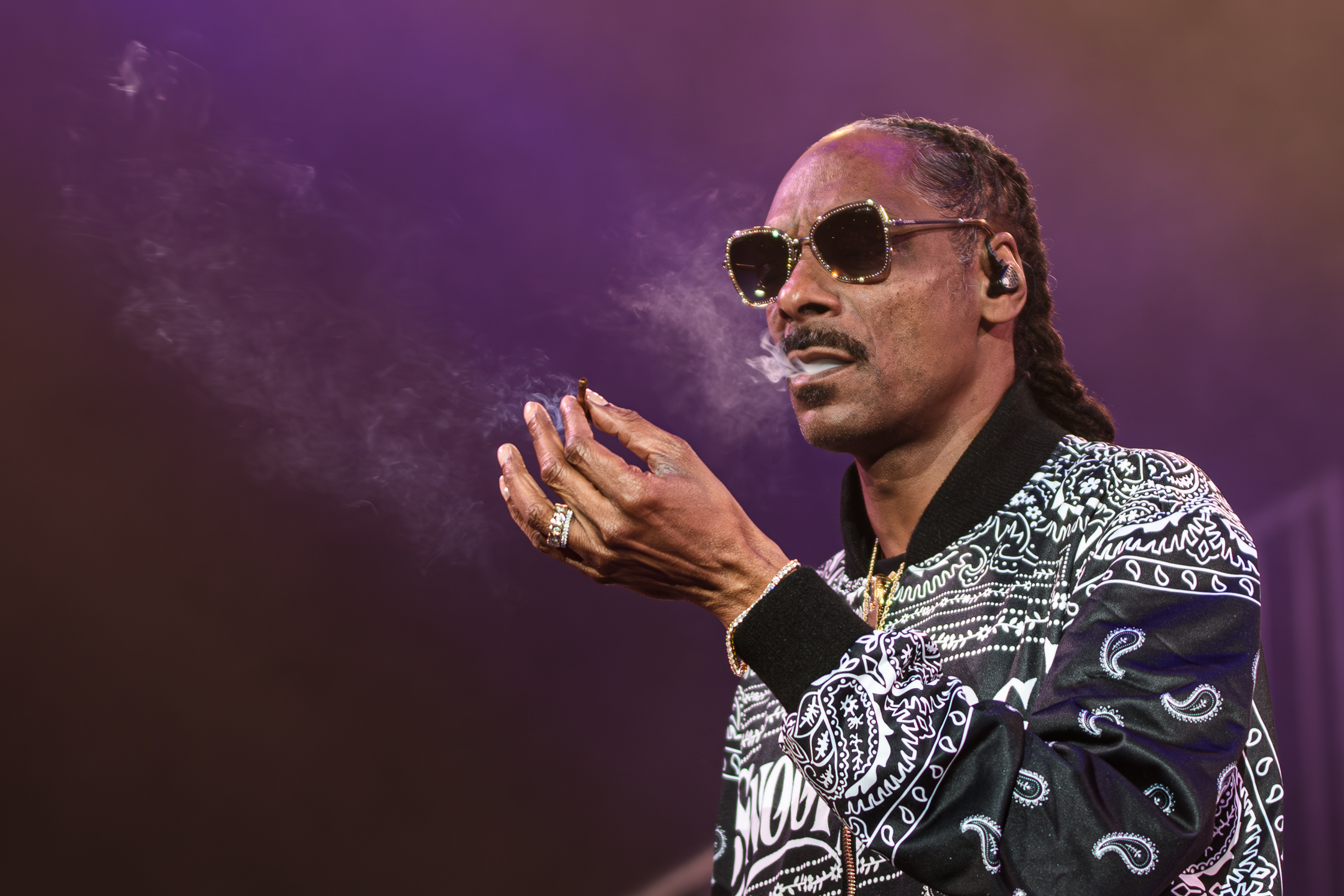
Long before he carried the Olympic torch or built a multi-media empire, Calvin Broadus lived a life deeply entangled with the criminal justice system. The internet often blurs the lines between sensationalized headlines, high-profile arrests, and actual time served behind bars. While cultural lore paints a picture of a rapper who spent years locked away, the reality of Snoop Dogg's prison record involves a brief 1990 conviction, a high-stakes 1993 murder trial that ended in an acquittal, and decades of dodging lengthy prison sentences through high-priced defense teams and probation.
Understanding Snoop Dogg's actual journey requires stripping away the myth. While his early life in Long Beach exposed him to heavy gang activity and repeated encounters with law enforcement, his actual time incarcerated was relatively short, primarily concentrated around a drug possession conviction before he achieved mainstream fame.
The Early 1990s Conviction and Drug Arrests
Before dropping his monumental debut album Doggystyle, Snoop faced serious state charges. In 1989, he was arrested for felony drug possession. By 1990, he was convicted of felony drug possession and possession with intent to sell cocaine, resulting in a prison sentence.
This brief period behind bars happened just as his musical partnership with Dr. Dre was beginning to crystallize. Industry lore notes that some early tracks and concepts were shaped during this turbulent transition period. Upon his release, he threw himself into music, using the studio as an escape route from the street life that had trapped many of his peers.
The 1993 Murder Trial and Acquittal
The most defining legal crisis of Snoop's life erupted in August 1993. Snoop and his bodyguard, McKinley Lee, were involved in an altercation in a Los Angeles park that resulted in the shooting death of Philip Woldemariam. Snoop was charged with first- and second-degree murder.
The case dominated media attention, coinciding with the release of his short film and track "Murder Was the Case". Facing life imprisonment, Death Row Records hired famed defense attorney Johnnie Cochran.
- The Defense Strategy: Cochran and co-counsel dismantled the prosecution's narrative by highlighting severe mishandling of evidence by the Los Angeles Police Department.
- The Missing Evidence: Crucial pieces of evidence, including the victim's bloody clothing and specific shell casings, mysteriously vanished while in police custody.
- The Verdict: In February 1996, a jury found Snoop Dogg not guilty of murder, accepting the argument of self-defense regarding his bodyguard's actions. Decades later, in 2024, a California court officially sealed these historical murder records.
Subsequent Legal Battles and Probation
Following his 1996 acquittal, Snoop's legal issues shifted from violent felonies to drug possession, traffic violations, and weapons charges.
- 2006 Airport Arrest: Snoop was arrested at Heathrow Airport following a disturbance, leading to a temporary ban from entering the United Kingdom.
- Weapons and Drug Pleas: In 2007, he pleaded guilty to gun and marijuana possession charges, avoiding actual prison time. Instead, courts sentenced him to three years of probation, suspended sentences, and hundreds of hours of community service, which he partially fulfilled through his work with the Snoop Youth Football League.
Transition Out of the Criminal Justice System
Avoiding long-term incarceration allowed Snoop to pivot from a controversial gangsta rap figure into a mainstream cultural staple. He credits fatherhood, maturity, and community mentorship with keeping him out of the penal system. Rather than serving time later in life, his subsequent offenses were largely resolved through legal fines, rehabilitation programs, and extensive community service mandates.
Frequently Asked Questions
Did Snoop Dogg ever serve a life sentence?
No. Despite facing a first-degree murder charge in 1993 that carried the threat of life imprisonment, he was acquitted by a jury in 1996.
How long was Snoop Dogg in prison?
His only significant incarceration occurred following a 1990 felony drug conviction, where he served a portion of a sentence before returning to his music career. He has not served major prison time since becoming a global celebrity.
Why was Snoop Dogg's murder case sealed?
In 2024, a California judge approved a petition filed by Snoop's legal team to seal his 1993 murder case records, allowing him to officially clear that chapter of his past.
Did legal troubles affect his international travel?
Yes. Due to past criminal convictions and arrests, Snoop faced temporary travel bans or entry restrictions in countries like the United Kingdom, Australia, and Norway during the 2000s and early 2010s.


