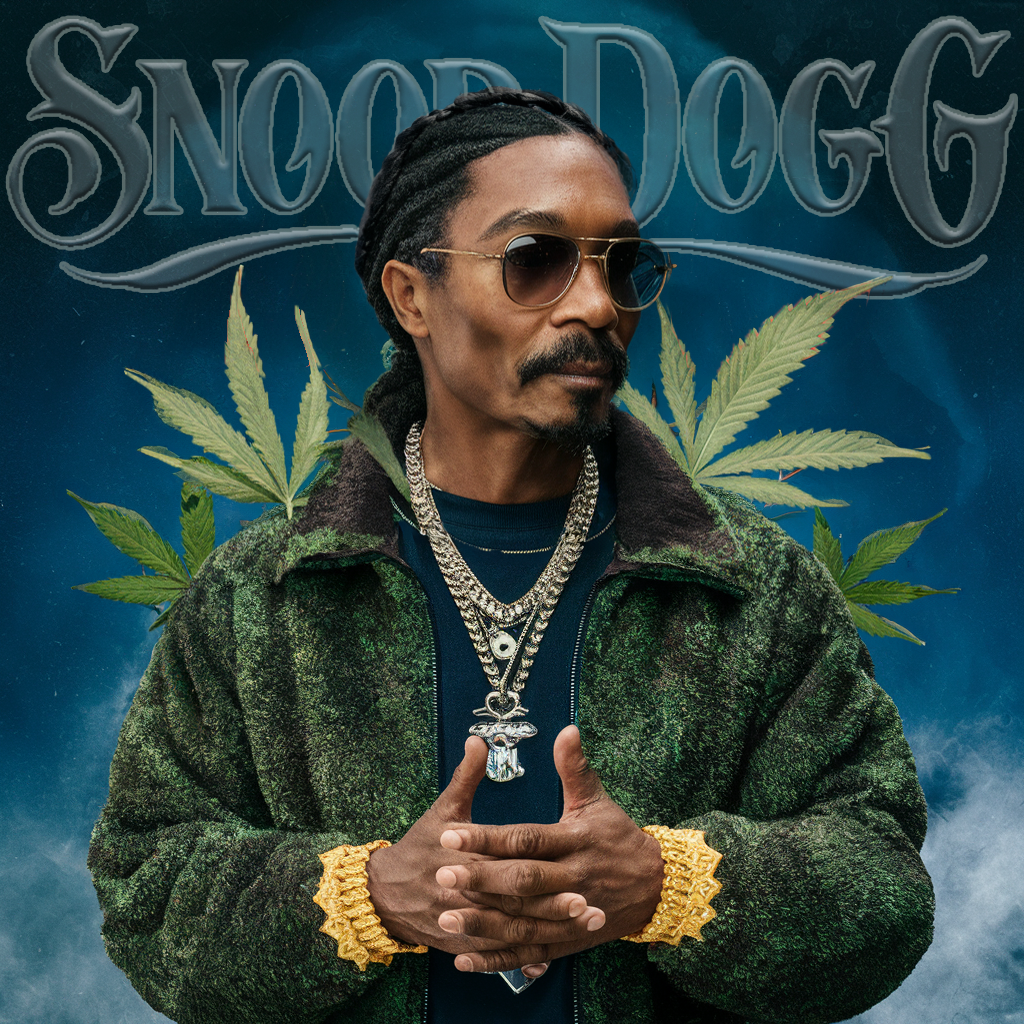
Long before carrying the Olympic torch or cooking alongside Martha Stewart, Calvin Cordozar Broadus Jr. navigated a turbulent youth in Long Beach, California, marked by poverty, gang affiliation, and repeated legal troubles. The trajectory of Snoop Dogg stands as one of the most remarkable transformations in modern entertainment history. Rather than letting early hardships and drug-related convictions define his life, he channeled those intense realities into a globally recognized career, eventually reshaping his public persona into an enduring cultural institution.
Understanding this evolution requires looking past the smoke and sunglasses. His journey illustrates how raw artistic talent combined with sharp business adaptability can completely alter a person's footprint on the world.
Early Struggles and the Long Beach Foundation
Growing up on the east side of Long Beach during the 1980s meant confronting systemic instability daily. Raised primarily by his mother, young Calvin found community in local spaces like the Golgotha Trinity Baptist Church, where he sang and played piano. Yet the surrounding environment posed heavy temptations. As a teenager, he balanced athletic pursuits on his high school football team with membership in local street gangs.
These parallel paths quickly collided with the law. Shortly after graduating from high school, Snoop faced a conviction for cocaine possession and intent to sell, landing him behind bars. That period in custody served as a harsh wake-up call. Realizing that the street life offered a dead end, he began taking his lifelong passion for rhyming far more seriously.
The Dr. Dre Partnership and the Birth of West Coast Rap
The turning point arrived when mixtape recordings reached producer Dr. Dre. Impressed by a distinct, laid-back cadence and effortless storytelling ability, Dre drafted the young artist for the classic single "Deep Cover" and the landmark 1992 solo-launching album The Chronic. Snoop's signature delivery defined tracks like "Nuthin' but a 'G' Thang," instantly captivating listeners across the nation.
When his debut solo album, Doggystyle, dropped in 1993 under Death Row Records, it shattered industry expectations by debuting at number one on the Billboard 200. It wasn't just a commercial triumph; it established West Coast gangsta rap as a dominant commercial force. However, massive fame brought intense scrutiny. Throughout the mid-1990s, Snoop fought a high-profile murder trial, which ultimately ended in an acquittal in 1996. The ordeal drained financial resources and tested his resolve, teaching him harsh lessons about the mechanics of the justice system and media framing.
Reinvention, Business Acumen, and Mainstream Crossover
Rather than remaining confined to the gangster rap box of the 1990s, Snoop executed a series of calculated career shifts. He moved away from Death Row Records, built independent label alliances, and continually updated his sonic palette by collaborating with pop, R&B, and electronic producers like Pharrell Williams.
His entrepreneurial instincts proved equally sharp. Long before cannabis legalization swept across states, Snoop integrated marijuana advocacy directly into his brand identity. What once triggered legal persecution eventually turned into a legitimate corporate empire spanning media production, lifestyle products, and investment ventures.
Moreover, his unexpected friendship with Martha Stewart and his welcoming presence on television programs like The Voice bridged generational and cultural divides. By leaning into self-deprecation and natural charisma, he transitioned from a controversial figure viewed with suspicion by establishment figures into a beloved global ambassador of American pop culture.
Key Lessons from an Unprecedented Career
- Master adaptability: Survival and longevity in any industry require shedding rigid identities when circumstances change.
- Capitalize on authenticity: Even when shifting into mainstream entertainment, maintaining core roots prevents an artist or brand from feeling artificial.
- Build diverse portfolios: Relying on a single revenue stream or medium limits long-term resilience. Expansion into cooking, sports commentary, and tech investments secured financial stability.
Frequently Asked Questions
What was Snoop Dogg's breakout musical project?
His major introduction to the public came via Dr. Dre's 1992 album The Chronic, followed immediately by his own 1993 debut solo album, Doggystyle, which debuted at the top of the charts.
How did Snoop Dogg transition from a controversial rapper to a mainstream celebrity?
Through strategic media diversification, genuine public collaborations—such as his cooking show with Martha Stewart—and a consistent display of humor and warmth that won over broad demographic groups.
Did legal troubles impact his early career?
Yes. Legal battles, including a high-profile murder trial in the 1990s and various drug and firearm charges, heavily shaped his early adulthood, eventually pushing him to adopt more structured, positive life practices.
What are some of his major business ventures outside of music?
He has launched clothing lines, digital media platforms, cannabis enterprises, youth football leagues, and major brand partnerships across the food and technology sectors.


