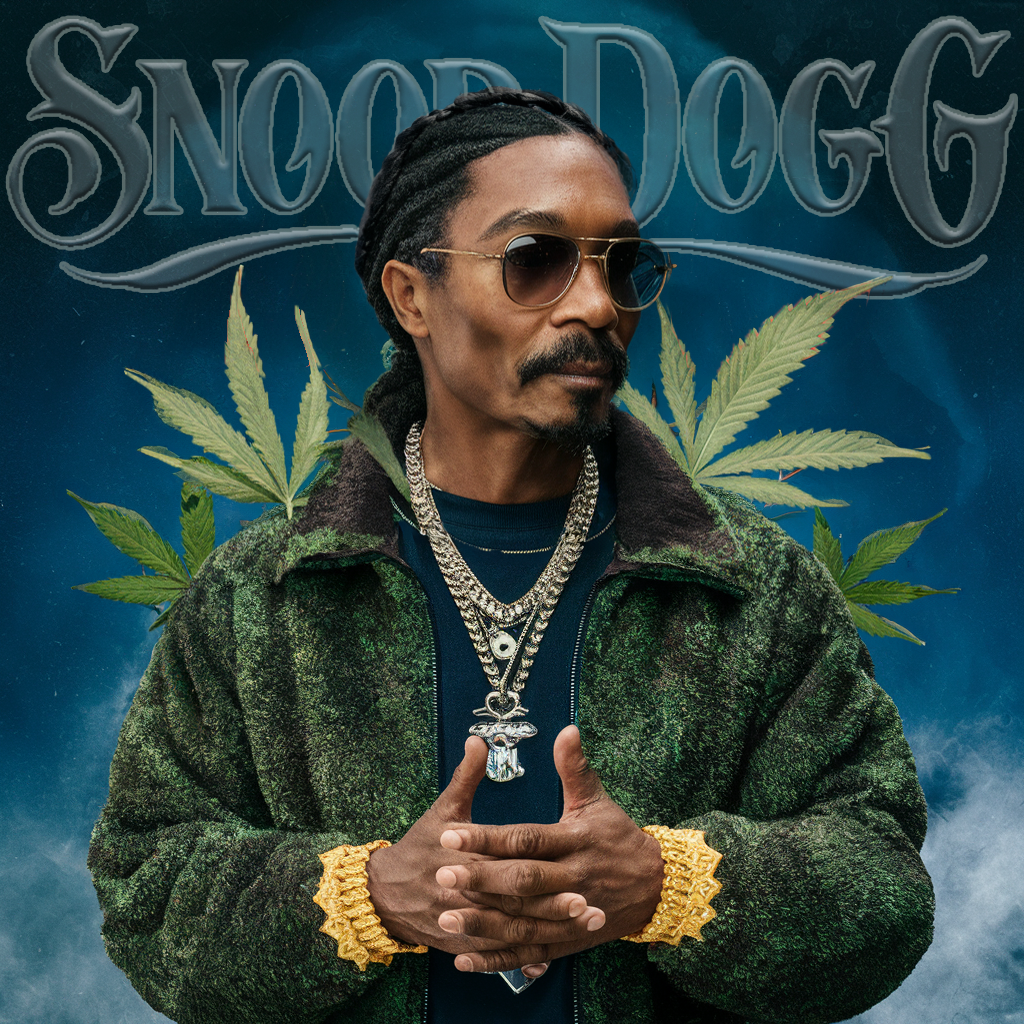
When people look up headlines about Snoop Dogg facing new legal challenges tied to old allegations, they often mix up tabloid rumors with his actual decades-old criminal history. While the hip-hop icon has built a multi-decade empire as a mainstream media darling, entrepreneur, and Olympic torchbearer, his early years were defined by high-stakes courtroom battles. Understanding what actually happened requires looking past clickbait titles and examining the true legal record of Calvin Broadus Jr.
This breakdown cuts through the noise to examine Snoop Dogg's true arrest record, the reality behind his infamous 1990s murder trial, how old legal ghosts finally got sealed, and why modern headlines frequently recycle decades-old history for attention.
The 1993 Murder Case: The Defining Legal Battle
The most significant legal hurdle of Snoop Dogg's life occurred at the absolute peak of his early rise to fame. In August 1993, a confrontation at Palms Park in Los Angeles resulted in the shooting death of Philip Woldemariam, a member of a rival group. Snoop was driving the vehicle, and his bodyguard, McKinley Lee, fired the fatal shot.
Snoop and his co-defendants surrendered to authorities later that year. What followed was a high-profile trial that lasted from late 1995 into early 1996.
- The Charges: Snoop faced charges including first-degree and second-degree murder, alongside accessory after the fact.
- The Defense: Represented by powerhouse attorneys including Johnnie Cochran and David Kenner, the defense argued self-defense, maintaining that Woldemariam reached for a firearm.
- The Verdict: In February 1996, a jury acquitted Snoop Dogg and McKinley Lee of first-degree and second-degree murder. While a mistrial was declared on lesser manslaughter counts, those remaining charges were eventually dismissed, leaving him a free man.
For decades, that arrest record remained part of public databases until legal petitions finally cleared the path forward. According to court records highlighted by IHeartMedia, Snoop's historic 1993 murder arrest was officially sealed following an approved petition, allowing him to permanently close that chapter.
Other Notable Run-Ins With the Law
Beyond the 1993 LA case, Snoop's early career involved several other minor and moderate brush-ups with law enforcement during tour stops and border crossings.
- The 1994 Louisiana Arrest: While on tour in late 1994, Snoop was booked in Lake Charles, Louisiana, following a police discovery of controlled substances. The filing moved through Calcasieu Parish as a misdemeanor drug case.
- Airport and Border Detentions: Over the years, customs stops in countries like Norway, Sweden, and Italy led to temporary detentions, usually resulting in fines for carrying controlled items or large amounts of undeclared cash rather than major felony prosecutions.
Unlike his 90s trial, these minor infractions rarely evolved into serious prison threats, though they consistently fed tabloid cycles whenever a new tour or album cycle kicked off.
Why Old Allegations Resurface in Modern Headlines
Tabloid sites and low-tier blogs often use search engine optimization tricks to latch onto Snoop Dogg's name. When a celebrity faces civil lawsuits or when old archival documents are unsealed, aggressive content farms spin up speculative articles hinting at "new arrests" or "impending prison time."
In reality, Snoop transitioned from a controversial gangsta rap figure into a universally recognized pop culture staple. Modern legal mentions usually refer to unrelated civil matters, dismissed independent claims, or historical retrospectives rather than active criminal detention.
Common Mistakes to Avoid When Tracking Celebrity Legal History
If you're researching celebrity legal cases or hip-hop history, it's easy to fall for common misinformation traps. Keep these pitfalls in mind:
- Confusing Civil Suits With Criminal Arrests: A civil lawsuit or financial dispute does not mean an individual has been arrested or charged with a crime.
- Trusting Unverified Social Media Rumors: Viral clips often take 30-year-old archival news footage out of context and present it as breaking news. Always check primary Los Angeles County Superior Court records or major verified news outlets like the Associated Press before drawing conclusions.
- Ignoring Dismissals: Many sensational lawsuits filed against public figures are voluntarily dismissed or thrown out by judges months later, but the initial sensational headline remains online forever.
Frequently Asked Questions
Was Snoop Dogg ever convicted of murder?
No. Snoop Dogg was tried for murder in the mid-1990s but was acquitted by a jury in February 1996.
Is Snoop Dogg facing any new criminal charges?
No. Current public records show no active criminal arrests or felony charges against the artist. Any recent articles suggesting otherwise typically misrepresent old historical events or unrelated civil disputes.
What happened to Snoop Dogg's 1993 arrest record?
His historic 1993 murder arrest record was officially sealed following an approved legal petition, ensuring that the decades-old file is no longer part of accessible public criminal history.
Who represented Snoop Dogg during his 1990s murder trial?
He was defended by a high-profile legal team that included renowned defense attorneys Johnnie Cochran and David Kenner.



