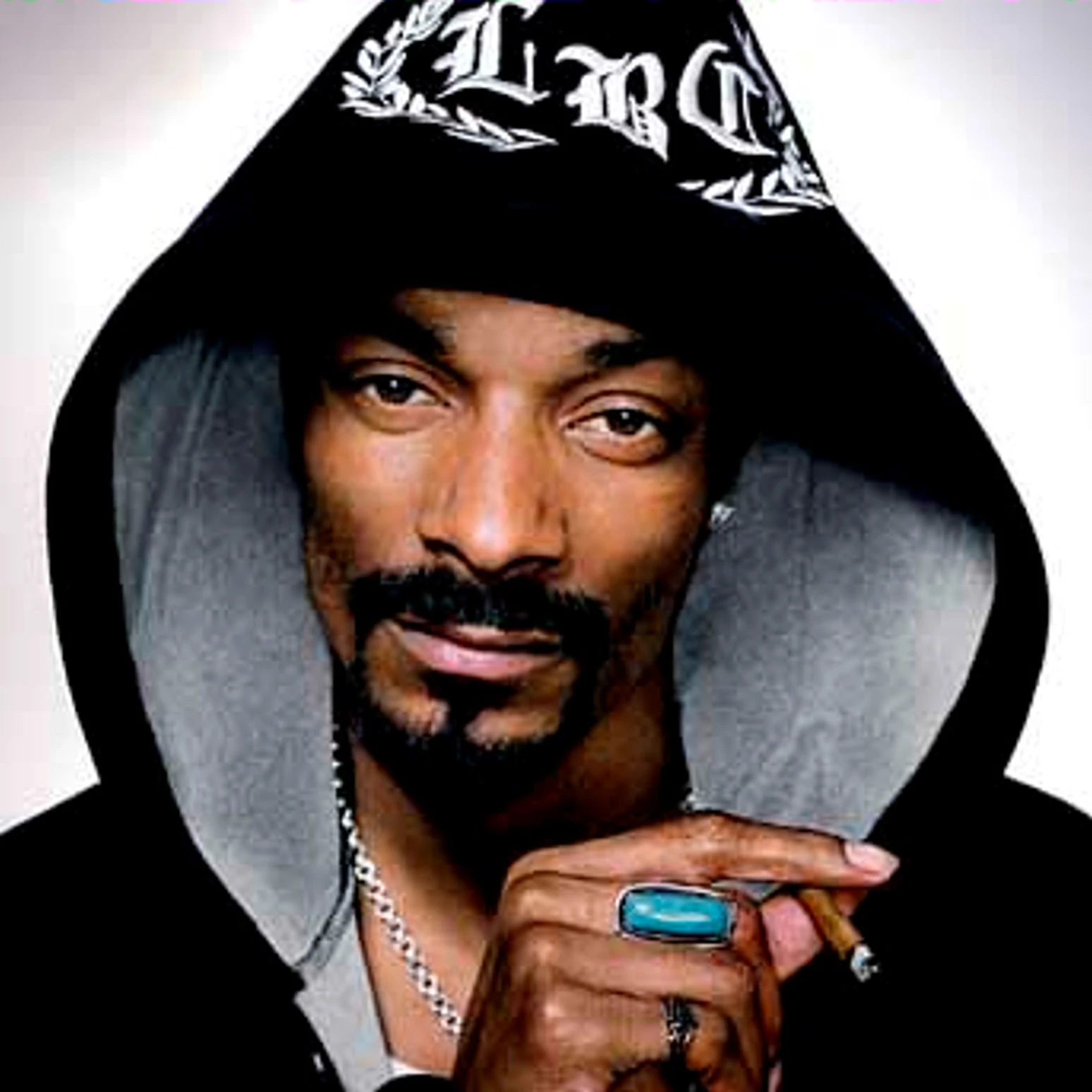
Long before he carried the Olympic torch or became America's favorite cultural icon, Calvin Broadus faced charges that threatened to put him behind bars for life. Snoop Dogg charges span over three decades, moving from early drug offenses to a high-profile 1990s murder trial and various international travel bans. Understanding this legal track record reveals how the rapper navigated the justice system when his real life collided with his artistic persona.
While tabloid headlines often focus on sensational arrests, the actual court records tell a story of high-stakes defense strategies, changing drug laws, and eventual redemption. Let's break down the legal hurdles the D-O-double G faced, from the infamous 1993 homicide case to his modern-day legal standing.
The 1993 Murder Case and 1996 Trial
The most critical turning point in the rapper's life occurred on a Sunday afternoon in August 1993 at Palms Park in Los Angeles. Philip Woldemariam, a member of a rival local group, was shot and killed by McKinley "Malik" Lee, Snoop's bodyguard, who fired from the passenger seat of Snoop's Jeep Cherokee.
Snoop and his bodyguard turned themselves in to authorities shortly after. In late 1995, both men stood trial in Los Angeles Superior Court facing severe charges: Further information regarding the matter are covered by Associated Press.
- First- and second-degree murder counts
- Voluntary manslaughter
- Conspiracy to commit assault
- Accessory after the fact (specifically applied to Broadus)
The Defense Strategy and Forensic Turning Points
Represented by high-profile defense attorney David Kenner, the defense argued self-defense. They established that Woldemariam was armed with a .380 caliber handgun and had reached for his waistband during the verbal altercation.
The prosecution's case suffered major setbacks due to mishandle of evidence by law enforcement and crucial testimony from witnesses admitting that Woldemariam's gun was removed from the scene by a friend to protect him. Furthermore, cross-examination of the medical examiner revealed that Woldemariam's wounds were lateral rather than from shots fired in the back, supporting the claim that he was twisting to draw a weapon when Lee fired.
On February 20, 1996, the jury acquitted Snoop Dogg and McKinley Lee of first- and second-degree murder. While jurors deadlocked on voluntary manslaughter charges leading to a mistrial for that specific count, the primary threat of a life sentence vanished. The civil wrongful death lawsuit filed by the victim's family was later settled out of court. You can read more about courtroom dynamics from archives on Encyclopedia.com.
Drug Possession and International Travel Hurdles
Throughout the late 1990s and 2000s, minor drug and weapon infractions occasionally brought the rapper back into courtrooms:
- 1990 Conviction: Early felony drug possession charges resulted in a brief probation and prison sentence before his music career took off.
- Airport Arrests: Incidents at airports in the mid-2000s involving firearm and cannabis possession led to probationary sentences, community service, and temporary travel restrictions.
- Border Bans: Because of his criminal record, countries like the United Kingdom, Australia, and Norway temporarily denied him entry or revoked visas during specific touring windows, though most of these restrictions eased over time.
Civil Lawsuits and Modern Legal Scrutiny
Beyond criminal court, Snoop's fame attracted various civil complaints. Over the years, civil litigation involved disputes over copyright, breach of contract regarding record label asset management, and occasional personal injury claims from concertgoers or staff members.
Most civil disputes resolve confidentially out of court. As public perception shifted alongside widespread legalization and decriminalization of cannabis in various states, older low-level drug possession charges faded into historical context, leaving his 1990s murder trial as the sole major criminal jeopardy of his career.
Common Mistakes When Analyzing Snoop Dogg's Legal Record
Writers and fans often misinterpret legal nuances from this era. Avoiding these common misconceptions helps clarify what actually happened:
- Confusing the Driver with the Shooter: Many assume Snoop pulled the trigger. In reality, McKinley Lee fired the fatal shot, while Snoop drove the vehicle.
- Treating Lyrics as Confessions: The album and short film Murder Was the Case released during this period caused many to believe the art directly mirrored the crime. In truth, the creative works were completed or conceptualized around the time of the incident and trial, serving as marketing rather than an admission of guilt.
- Ignoring Dismissals: Not every arrest led to a conviction. Several misdemeanor marijuana citations over the decades resulted in dismissals or minor fines handled through legal counsel without jail time.
Frequently Asked Questions
Did Snoop Dogg spend time in prison for murder?
No. Snoop Dogg was acquitted of first- and second-degree murder charges in February 1996. He never served prison time for homicide.
Who actually fired the weapon in the 1993 incident?
His co-defendant and bodyguard, McKinley "Malik" Lee, fired the shot while sitting in the vehicle driven by Snoop. Both were tried together and acquitted of murder.
Why was Snoop banned from entering certain countries?
Due to his past criminal convictions involving drug and weapon offenses, immigration authorities in nations like the UK and Australia denied him entry visas during specific periods in the 2000s.
How did the 1993 trial affect his career?
While the trial created immense personal stress and stopped touring temporarily, it paradoxically fueled massive public interest. His album Tha Doggfather and subsequent releases capitalized on the intense media spotlight surrounding Death Row Records. You can verify historical milestones via Billboard.



