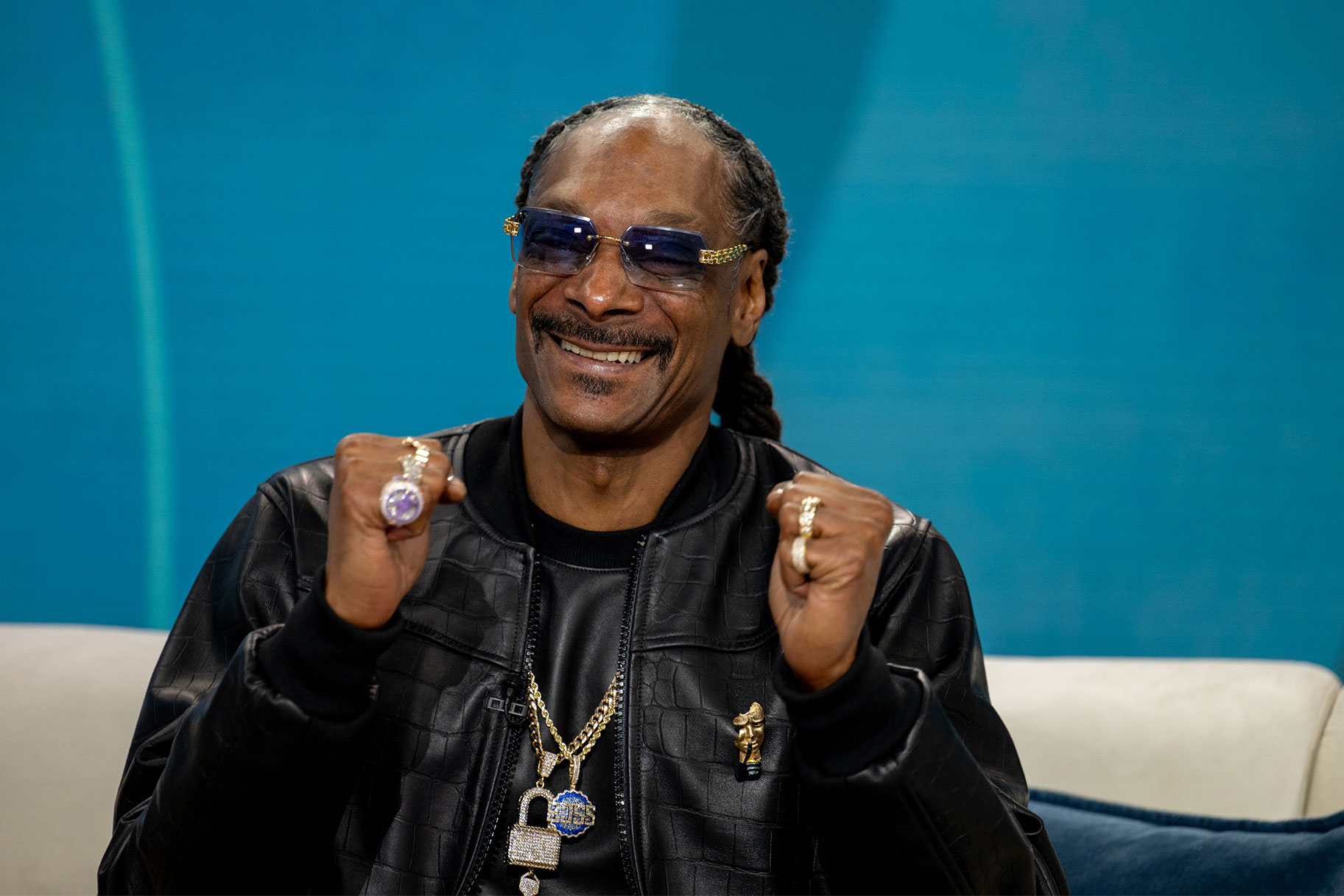
Snoop Dogg's legal history remains a defining chapter of his early career, shaped by high-profile arrests, a famous murder trial, and his eventual transition into global pop culture icon status. While modern audiences mostly recognize Calvin Broadus as an Olympic torchbearer, television host, and lifestyle entrepreneur, his journey through the American justice system was turbulent.
Examining the actual court records and police reports reveals a complex timeline that extends far beyond standard tabloid rumors. Understanding these events explains how early legal battles shaped his music, influenced international travel restrictions, and ultimately altered the trajectory of West Coast hip-hop.
Early Encounters with the Law
Long before releasing multi-platinum albums with Death Row Records, Broadus grew up navigating the streets of Long Beach, California. Shortly after graduating from high school in 1989, he faced his first major legal hurdle.
- 1989 Drug Arrest: Police arrested Broadus for felony possession of cocaine, landing him in local custody.
- Probation and Violations: The subsequent three years involved multiple probation infractions and short stints behind bars, setting a recurring pattern of minor drug and weapons offenses as his local music profile grew.
- The Gang Association Factor: Deep ties to local street groups meant police closely monitored his movements, raising the stakes whenever minor traffic stops escalated.
The 1993 Murder Case and Trial
The most critical legal crisis of his life occurred in August 1993. While staying in a Palms apartment complex, a confrontation unfolded at a nearby park involving Broadus's vehicle.
During the altercation, his bodyguard, McKinley Lee (known as Malik), fired a fatal shot from the Jeep that Broadus was driving, killing a rival gang member named Philip Woldermariam.
Charges and Surrender
Police issued a warrant for first-degree murder against both Broadus and Lee. Rather than evading authorities indefinitely, Broadus surrendered to law enforcement days later after making a scheduled appearance at the MTV Video Music Awards.
The Legal Defense and Acquittal
The high-stakes murder trial began in 1995. The defense argued self-defense, stating that the victim reached for a firearm tucked into his waistband. Key testimony later revealed that witnesses removed and hid the victim's gun from the scene.
Ultimately, a racially diverse jury acquitted both Broadus and Lee of first and second-degree murder charges. The prolonged ordeal inspired his famous track "Murder Was the Case" and a short accompanying film, turning real-life legal trauma into raw commercial art.
Subsequent Arrests and International Travel Bans
Acquittal in 1996 did not end his friction with law enforcement. Over the next two decades, multiple incidents tested his probation status and created international headaches.
Airport Incidents and Drug Possessions
- 2006 Burbank Arrest: Airport security officers discovered a firearm and marijuana in his luggage at a Bob Hope Airport checkpoint, leading to swift police intervention.
- 2007 Orange County Conviction: Following subsequent firearm and drug violations discovered during searches of his properties, courts sentenced him to three years of probation and community service.
- 2015 Sweden Detention: Police pulled over his vehicle after a concert in Uppsala, detaining him briefly on suspicion of driving under the influence of narcotics, though he was later released following a drug screening.
Global Banishments
Countries with strict character requirements for visa applicants frequently flagged his criminal record. The United Kingdom denied him entry in 2006 following an airport scuffle, forcing the cancellation of major tour dates. Australia and Norway also implemented temporary travel bans or strict entry restrictions during various periods of the 2000s and early 2010s before immigration officials eventually softened their stances due to his changing public profile.
Repercussions on Career and Public Persona
Legal trouble altered how record labels marketed gangsta rap in the mid-1990s. Government officials and community activists frequently targeted Death Row Records executives and artists, citing violent lyrics and real-world criminal cases as societal hazards.
However, surviving a murder trial and numerous lesser offenses paradoxically cemented his authentic street credibility within hip-hop culture. Rather than destroying his viability, the controversy fueled immense public curiosity.
Over time, strategic public relations shifts transformed his image. By pivoting toward mainstream television, cooking shows with Martha Stewart, and mainstream sports commentary, he distanced himself from his turbulent twenties without erasing his history.
Frequently Asked Questions
Was Snoop Dogg ever convicted of murder?
No. While charged with first-degree murder in 1993 following a shooting involving his bodyguard, a jury acquitted him in 1996 after accepting arguments of self-defense.
Why was Snoop Dogg banned from the UK?
British immigration officials denied him entry in 2006 following an arrest at Heathrow Airport and concerns over his ongoing criminal trials and character record in the United States.
How did his legal troubles affect his music career?
The 1993 murder trial delayed the release of his second album, Doggystyle, and inspired the thematic dark tones, short film, and hit single "Murder Was the Case".
Does he still face travel restrictions today?
Most historical international bans have expired or cleared following successful appeals and diplomatic rehabilitation, allowing him to tour globally and participate in international events like the Olympics.


