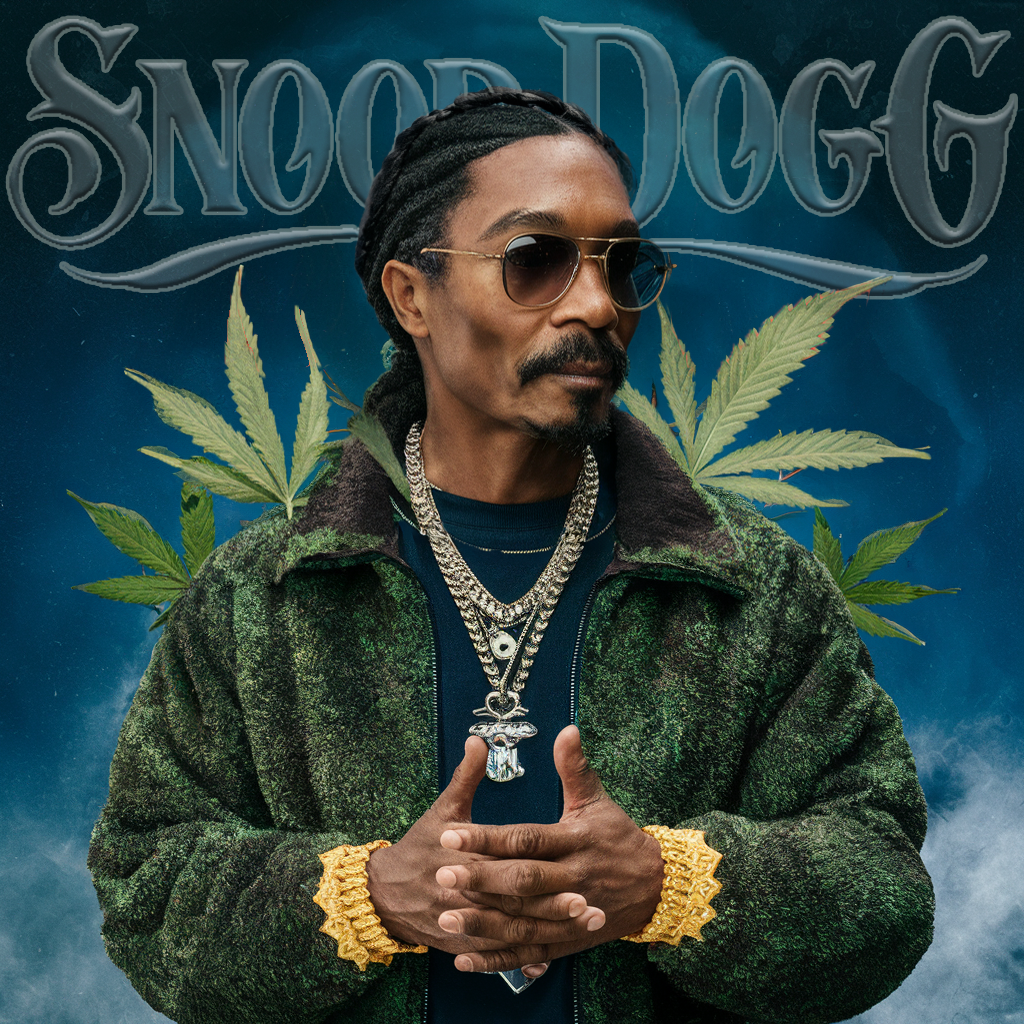
Snoop Dogg and Jay-Z didn't just survive the volatile music industry; they rewrote its economics entirely. Transforming early cultural influence into towering commercial juggleries, both artists turned creative mastery into lasting financial dominance. While many musicians treat business as an afterthought, these two icons engineered concrete blueprints for generational wealth, moving past traditional record-deal dependency into multi-industry ownership.
Their strategies differ sharply in execution, yet both paths rely on absolute control of intellectual property, strategic brand partnerships, and long-term asset accumulation. Examining how they built their respective empires reveals the exact mechanics behind modern hip-hop entrepreneurship, far beyond simple celebrity endorsements or short-lived merchandise lines.
Owning the Master Tapes and the Infrastructure
The foundation of any enduring music empire is ownership. For decades, major record labels extracted the lion's share of profits while artists survived primarily on touring and sparse royalties. Jay-Z dismantled this dynamic early by co-founding Roc-A-Fella Records in 1996, ensuring that he and his partners retained direct control over their masters. When major corporate entities came knocking, Jay-Z leveraged that independence to secure unprecedented distribution deals and equity stakes.
Snoop Dogg took a similarly decisive route decades later by acquiring Death Row Records, the very label that launched his career in the early 1990s. Instead of merely performing under corporate banners, Snoop bought the intellectual property outright, transforming a historical brand into a modern digital platform.
- Control over masters: Securing catalog rights prevents third-party gatekeepers from profiting off an artist's foundational work.
- Independent distribution: Bypassing traditional label overhead allows artists to capture higher margins on every stream and physical sale.
- Legacy re-engineering: Buying old labels provides immediate infrastructure for launching newer talent without building distribution networks from scratch.
Diversification Beyond the Recording Booth
Neither artist relied solely on recorded music to scale their wealth. Jay-Z famously summarized his economic philosophy with the line, "I'm not a businessman, I'm a business, man." This mindset drove him to launch Rocawear in 1999, a streetwear line that he later sold to Iconix Brand Group for over $200 million before eventually buying the intellectual property rights back.
Snoop Dogg diversified through unexpected cultural lane-crossing. By pairing his West Coast street credibility with mainstream commercial ventures—most notably his public partnership with Martha Stewart—Snoop expanded his demographic reach exponentially. This versatility allowed him to launch licensed cannabis brands, breakfast cereals, and continuous digital media projects without diluting his core identity.
Key Expansion Sectors
- Fashion and Apparel: Transitioning from promotional tour merchandise to standalone, globally recognized clothing brands.
- Consumer Packaged Goods: Entering food, beverage, and lifestyle markets with direct equity stakes rather than flat licensing fees.
- Media and Production: Building in-house agencies to control film, television, and digital content creation.
Equity Partnerships Over Flat Endorsements
In the past, rappers accepted flat fees to promote soda, sneakers, or alcohol. The Snoop and Jay-Z blueprint relies instead on equity. When Jay-Z partnered with luxury champagne brand Armand de Brignac, he didn't just endorse it; he took ownership. When LVMH acquired a 50% stake in the brand years later, the payout reflected true equity valuation rather than a simple spokesperson fee.
Similarly, Jay-Z's venture with D'USSÉ Cognac involved a deep structural partnership with Bacardi, turning a beverage into a high-value asset. Snoop applies this exact principle across his business dealings, favoring co-ownership models in tech startups, web3 ventures, and food products where his likeness directly influences enterprise valuation.
Venture Capital and Tech Investments
Building a billion-dollar footprint requires deploying capital into high-growth sectors outside entertainment. Jay-Z founded Marcy Venture Partners (now MarcyPen Capital Partners) to invest in early-stage consumer, tech, and digital media companies. Early bets on companies like Uber and various consumer tech platforms proved that cultural tastemakers possess a unique ability to spot consumer adoption trends before traditional Wall Street funds do.
Snoop Dogg adopted a parallel strategy through Casa Verde Capital, a venture capital fund focused specifically on the cannabis ecosystem. By positioning himself as an institutional investor within an emerging market, Snoop transitioned from a cultural consumer of a product to a primary financier of its infrastructure.
Common Pitfalls in Celebrity Entrepreneurship
Many artists attempt to replicate these empires and fail because they skip foundational steps. Understanding these missteps highlights why the Snoop and Jay-Z blueprint succeeds where casual celebrity side-hustles collapse.
- Chasing trends instead of building utility: Launching products that rely entirely on the artist's current chart position rather than solving a real consumer need.
- Accepting cash instead of equity: Taking short-term endorsement checks while letting corporate partners keep the long-term appreciation value.
- Over-expansion without operational control: Streading capital across too many disjointed projects without hiring dedicated executive leadership to manage day-to-day execution.
Frequently Asked Questions
How did Snoop Dogg and Jay-Z start their business careers?
Both artists began by establishing independent record labels to retain control over their music. Jay-Z co-founded Roc-A-Fella Records in 1996, while Snoop built deep independent roots through Doggystyle Records before eventually acquiring Death Row Records.
Why is equity more important than endorsement deals?
Endorsement deals offer a one-time flat fee for promotion, whereas equity gives the artist ownership in the company. When the brand grows in value or gets acquired, the equity holder shares directly in that massive financial upside.
What role does tech investing play in modern hip-hop wealth?
Tech and venture capital investments allow artists to diversify outside of cyclical entertainment industries. By investing in early-stage companies like Uber or emerging consumer platforms, artists turn cultural influence into long-term venture returns.
Can independent artists replicate this blueprint today?
Yes. Modern digital distribution, social media marketing, and direct-to-consumer platforms give independent creators unprecedented access to audiences, making it easier to retain ownership and build independent equity from day one.


