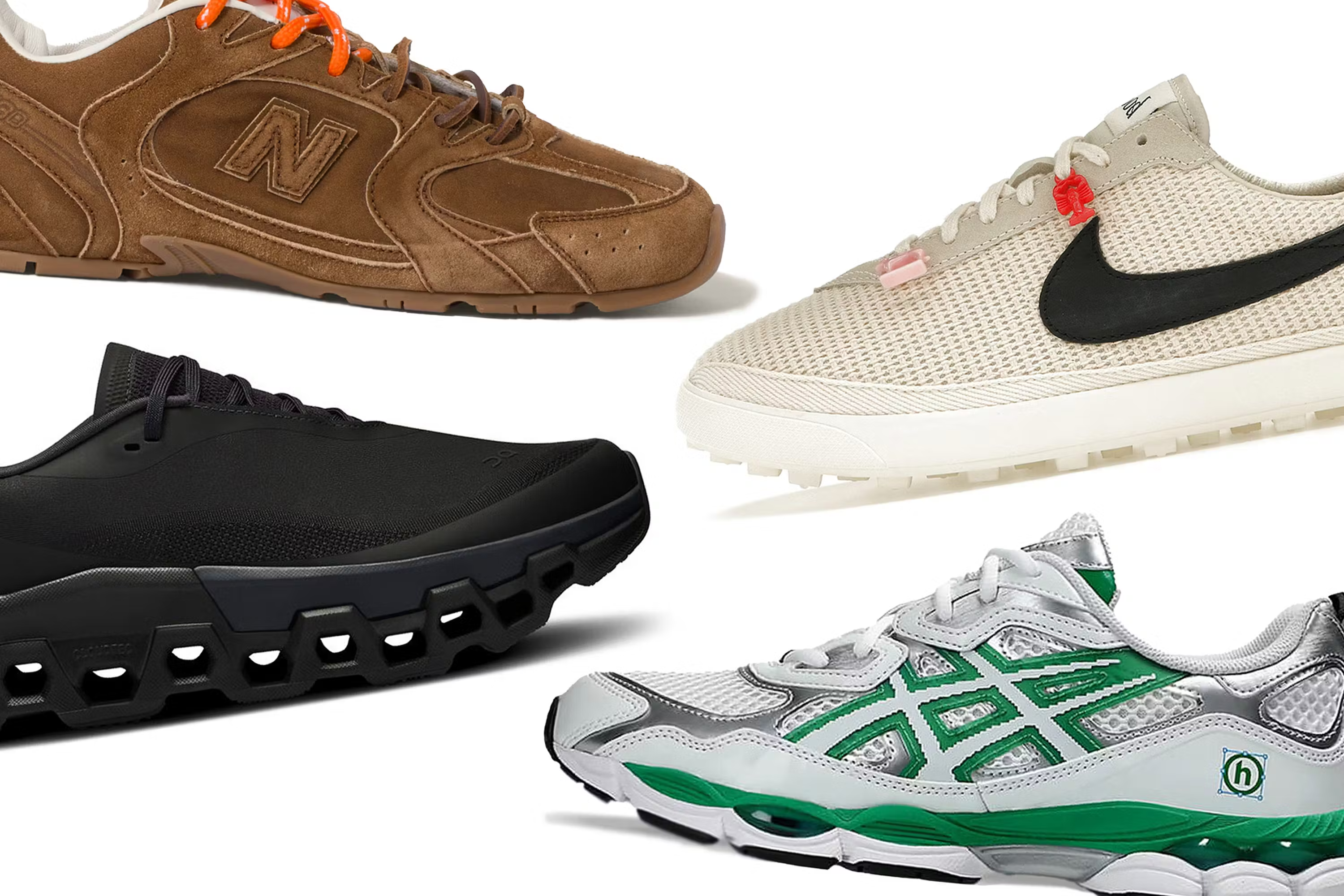
The convergence of performance engineering and subcultural rebellion has turned sneaker silhouettes into the defining canvases of modern fashion. Long before luxury houses collaborated with athletic giants, the physical profile of a shoe was dictated strictly by the biomechanics of sport. Today, those exact lines, volumes, and proportions serve as markers of identity, bridging high art with pavement culture.
Understanding how a sneaker silhouette commands attention requires looking at how utility transforms into iconography. When a shape transcends its athletic purpose, it becomes a wearable sculpture. Let's examine how engineering, design disruption, and modern street style shaped the iconic silhouettes we see on pavement today.
From Function to Form: The Engineering Roots of Classic Silhouettes
Every iconic sneaker profile starts with a functional constraint. In the 1980s, footwear design prioritized court traction, ankle support, and impact absorption over aesthetic trends.
Take the Nike Air Force 1, introduced in 1982. Designed by Bruce Kilgore, it was the first basketball shoe to house pressurized air in the sole. Its chunky profile, circular tread pattern, and high-top strap weren't styled for runways; they were engineered to protect players jumping on hard wooden courts.
When basketball shoes migrated from indoor arenas to outdoor asphalt, urban youth adopted them for durability and grip. Skaters, hip-hop artists, and street ballers altered how the shoes were worn, scuffing the leather and lacing them loose. The silhouette absorbed these personal histories. The broad toe box and flat sole stopped being mere athletic specs and turned into a clean visual template that street culture could claim.
Similarly, running shoes in the late 20th century focused on lightweight mesh and foam cushioning. When brands like New Balance and Nike introduced contoured midsoles and mixed-material uppers, they created dynamic shapes that broke away from traditional flat-soled leather shoes. The functional requirement for shock absorption inadvertently birthed complex, multi-layered profiles that later defined retro running aesthetics.
The Designer as Sculptor: How Tinker Hatfield Changed the Shape
The shift from utilitarian sports gear to intentional art objects accelerated in 1987 with the release of the Air Max 1, designed by Tinker Hatfield. Drawing inspiration from the inside-out architecture of the Centre Pompidou in Paris, Hatfield cut a window into the midsole.
That single design choice changed sneaker silhouettes forever. By exposing the air cushioning unit, the shoe gained a structural narrative. It wasn't just a soft sole anymore; it was an engineered system displayed openly on the exterior of the shoe.
Hatfield followed this with the Air Jordan III in 1988, introducing elephant print, a sculpted mid-height collar, and removing the prominent Nike swoosh in favor of the Jumpman logo. By treating the upper as a multi-panel canvas, designers could block colors and textures in ways that flattered the foot's natural lines while making a loud visual statement. The sneaker silhouette was no longer passive apparel; it became a focal point of an entire outfit.
Deconstruction and Luxury: The High-Art Era
In the 21st century, avant-garde fashion designers realized that sneaker silhouettes offered a direct line to youth culture. Instead of inventing new shapes from scratch, modern creators began deconstructing and exaggerating familiar forms.
Virgil Abloh’s 2017 "The Ten" collection with Nike demonstrated this approach. By taking historic silhouettes like the Air Force 1, Air Jordan 1, and Air Max 90, Abloh applied exposed foam, industrial stitching, and handwritten text directly onto the uppers. He stripped away traditional manufacturing polish to expose the underlying anatomy of the shoe. This deconstructive method transformed mass-produced footwear into conceptual art pieces that questioned the boundary between luxury goods and everyday streetwear.
Concurrently, the rise of the "dad shoe" or chunky sneaker disrupted traditional notions of sleek footwear elegance. High-fashion houses like Balenciaga introduced oversized, heavily layered soles that exaggerated proportions to an extreme degree. These voluminous silhouettes challenged conventional aesthetic norms, forcing wearers to rethink how footwear anchors heavy denim, wide trousers, and technical outerwear.
Anatomy of Modern Silhouettes: Slim vs. Bulky Profiles
Contemporary street style relies on balancing proportions between the lower half and upper garments. Different silhouettes serve distinct styling functions:
- Low-Profile Minimalist: Shoes like the Adidas Stan Smith or classic tennis trainers offer clean, narrow lines. They ground an outfit without stealing focus, making them versatile for tailored trousers or slim denim.
- Voluminous Chunky Runners: Bulky silhouettes, such as the Asics GEL-Kayano or retro trail runners, add visual weight to the foot. They pair best with relaxed-fit cargo pants, technical shell jackets, and oversized hoodies.
- High-Top Statement Shapes: Basketball-derived high-tops, like the Nike Dunk High or classic Converse Chuck Taylors, draw the eye upward and work well with cropped hems or tucked-in denim that exposes the collar.
Common Mistakes When Collecting and Styling Silhouettes
Navigating sneaker culture requires more than chasing the latest limited release. Several frequent missteps can throw off both collection value and daily styling:
- Ignoring Proportion in Outfits: Pairing a bulky, oversized running silhouette with overly tight, skinny jeans creates an awkward top-heavy or bottom-heavy visual imbalance. Match the volume of the shoe to the drape of your pants.
- Neglecting Material Care: Mixing suede, mesh, and smooth leather on complex modern silhouettes requires specialized cleaning tools. Using harsh brushes on delicate mesh destroys the textural contrast that makes the silhouette pop.
- Buying Solely for Hype: Purchasing a silhouette purely because of secondary market hype often leads to footwear that doesn't fit your personal wardrobe aesthetic or foot shape, resulting in buyer's remorse.
Frequently Asked Questions
What defines a sneaker silhouette?
A sneaker silhouette refers to the distinctive outer shape, profile, and structural lines of a shoe. It encompasses the transition from the toe box to the collar, the thickness and contour of the midsole, and the overall volume of the upper construction.
How do collaborations transform sneaker shapes?
Collaborations allow artists, designers, and fashion labels to reinterpret classic chassis using unexpected materials, unconventional color blocking, and structural alterations. This turns a standard athletic shoe into a limited-edition canvas or sculptural collectible.
Why are bulky "dad shoe" silhouettes popular in streetwear?
Bulky silhouettes provide a stark visual contrast to traditional minimalist footwear. Their exaggerated proportions and retro-futuristic layering offer a playful, disruptive element that anchors modern oversized streetwear aesthetics.
How should I store valuable sneaker silhouettes to prevent aging?
Store sneakers in a climate-controlled environment away from direct sunlight, which yellows translucent soles and fades colored uppers. Use shoe trees to maintain the structural integrity of the toe box, and keep pairs in breathable containers or their original boxes with silica gel packets to control moisture.



