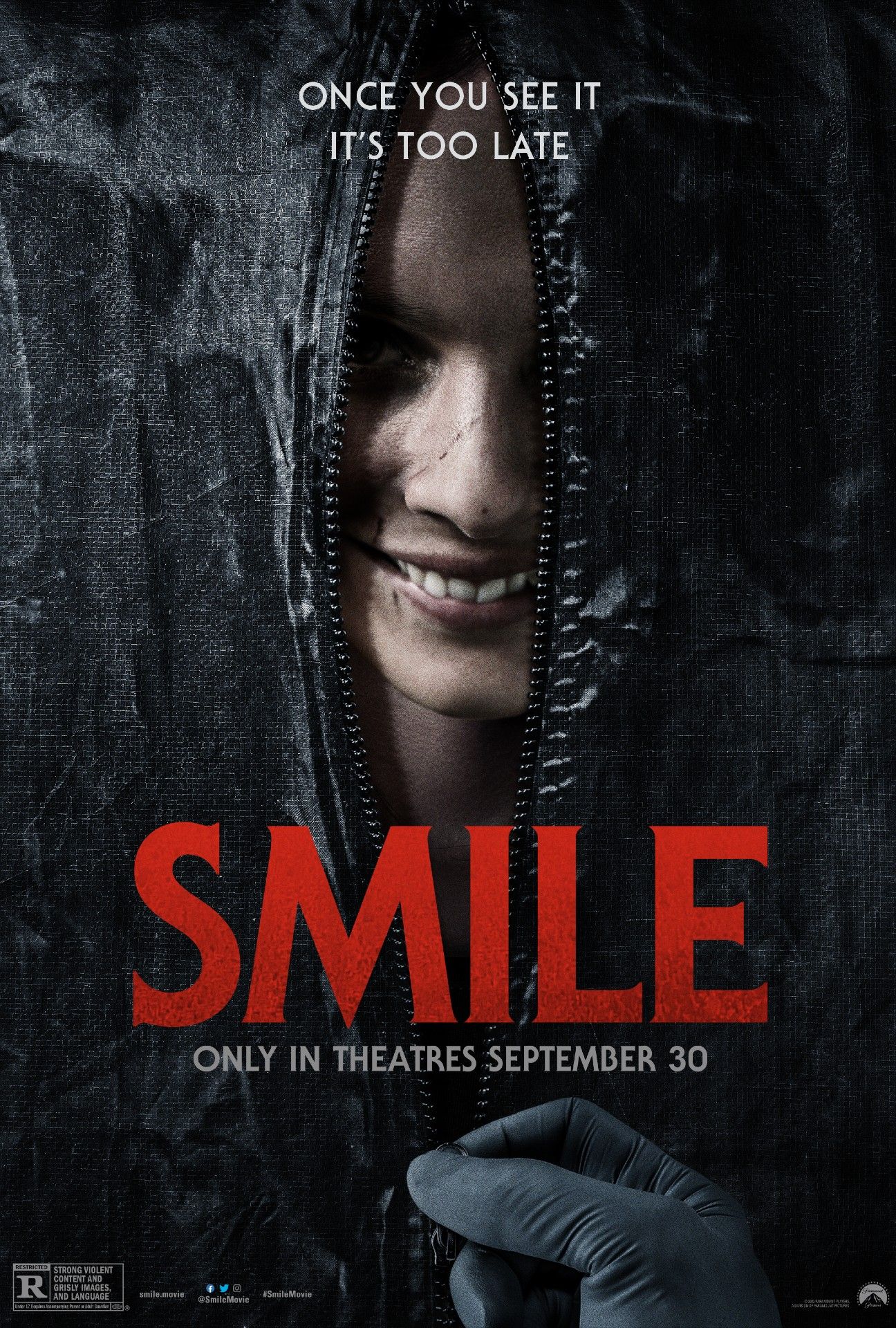
When moviegoers sit down to watch a modern psychological horror flick, the inevitable question pops up online minutes later: Is this based on a true story? Parker Finn's 2022 hit film Smile leaves viewers wondering whether its premise of a grinning, contagious demonic entity stems from real-world folklore, medical anomalies, or historical accounts.
The short answer is no. Smile isn't based on a true story or a specific historical event. Instead, writer and director Parker Finn built the narrative from scratch, drawing inspiration from psychological themes, short-film mechanics, and the eerie nature of forced human expressions. Yet, the question persists because the film taps into genuine anxieties around mental health, trauma, and the uncanny valley. Let's break down where the concept actually came from, how it mirrors real psychological phenomena, and what real-world elements inspired the cinematic nightmare.
The Origin of Smile: Short Film Beginnings
Parker Finn didn't set out to adapt a ripped-from-the-headlines news story. The feature-length film grew directly out of his 2020 short film, Laura Hasn't Slept.
In both the short and the feature, the core mechanic remains identical: a supernatural entity feeds on trauma, passing from person to person through witnessing a suicide, manifesting as a distorted, unblinking grin. Finn wanted to explore how trauma isolates people and how our minds can become hostile environments. When developing the feature script, he focused on creating an inescapable psychological trap rather than mimicking true crime. The horror stems from the loss of control, not from historical precedent.
Real-World Inspirations Behind the Grin
While the plot is entirely fictional, horror creators rarely pull ideas out of a vacuum. Finn and his production team leaned on several real-world concepts to make the entity's signature smile deeply unsettling.
The Uncanny Valley Effect
Human beings possess an innate ability to read facial expressions for safety and social cues. When an expression breaks normal behavioral patterns—such as staring directly into someone's eyes with a wide, unmoving smile while discussing a horrific event—our brains trigger an alarm. This is the uncanny valley in action. The smile in the movie looks unnatural because real human happiness involves micro-expressions in the eyes, whereas the entity's grin is fixed, rigid, and predatory.
Mass Hysteria and Contagious Behavior
The central conceit of Smile—that trauma and terror pass like a contagion—mirrors historical accounts of mass psychogenic illness. Throughout history, documented cases of mass hysteria show how fear, anxiety, and somatic symptoms can ripple through communities, schools, or military units simply through observation and shared panic. While people in the real world don't inherit a grinning demon, acute stress responses can certainly feel like an invading force that overtakes the mind.
Psychological Themes: Trauma as a Monster
The true beating heart of the movie isn't the supernatural entity; it's the exploration of unresolved grief and survivor's guilt. Dr. Rose Cotter, played by Sosie Bacon, works in a psychiatric emergency ward where she witnesses a horrific suicide. Her subsequent haunting acts as a visceral metaphor for Post-Traumatic Stress Disorder.
In everyday life, trauma isolates sufferers. Friends and family often don't know how to help, or they grow frustrated when recovery isn't linear. The film exaggerates this alienation by making Rose's visions invisible to everyone else, forcing her to question her own sanity. This mirrors the genuine gaslighting effect that severe mental health struggles can inflict on individuals and their support systems.
Common Misconceptions About the Movie's Origins
Because internet rumors travel fast, several myths surround the background of the film.
- The "Cursed Viral Video" Myth: Some viewers online compare the premise to urban legends or creepypastas about cursed media files. While the chain-reaction aspect shares DNA with stories like The Ring, Finn has noted that the contagion mechanic was designed specifically to highlight the inescapable nature of internal trauma rather than pay homage to cursed videotapes.
- The Real-Life Smile Syndrome: Social media occasionally circulates fake medical articles claiming doctors have diagnosed a psychological condition where patients smile uncontrollably out of fear. While neurological conditions like pseudobulbar affect cause involuntary laughing or crying, they bear no resemblance to the cinematic curse.
Frequently Asked Questions
Is there a sequel to Smile?
Yes. Paramount Pictures released Smile 2 in 2024, following a pop star who begins experiencing the same terrifying, contagion-based haunting while on a global tour.
Where was Smile filmed?
Principal photography took place primarily around New Jersey, utilizing locations in Hoboken, Kearny, and Newark to give the film its cold, sterile urban aesthetic.
What does the smile represent metaphorically?
Director Parker Finn has discussed in interviews that the grin serves as a mask. It represents how people often hide their deep-seated depression, anxiety, and trauma behind a polite, happy facade in everyday social settings.
Did Stephen King praise the movie?
Yes. Author Stephen King took to social media prior to the film's release to voice his approval, calling it a "good, scary horror movie" with a terrifying premise. You can read more about horror releases and industry news on Variety.


