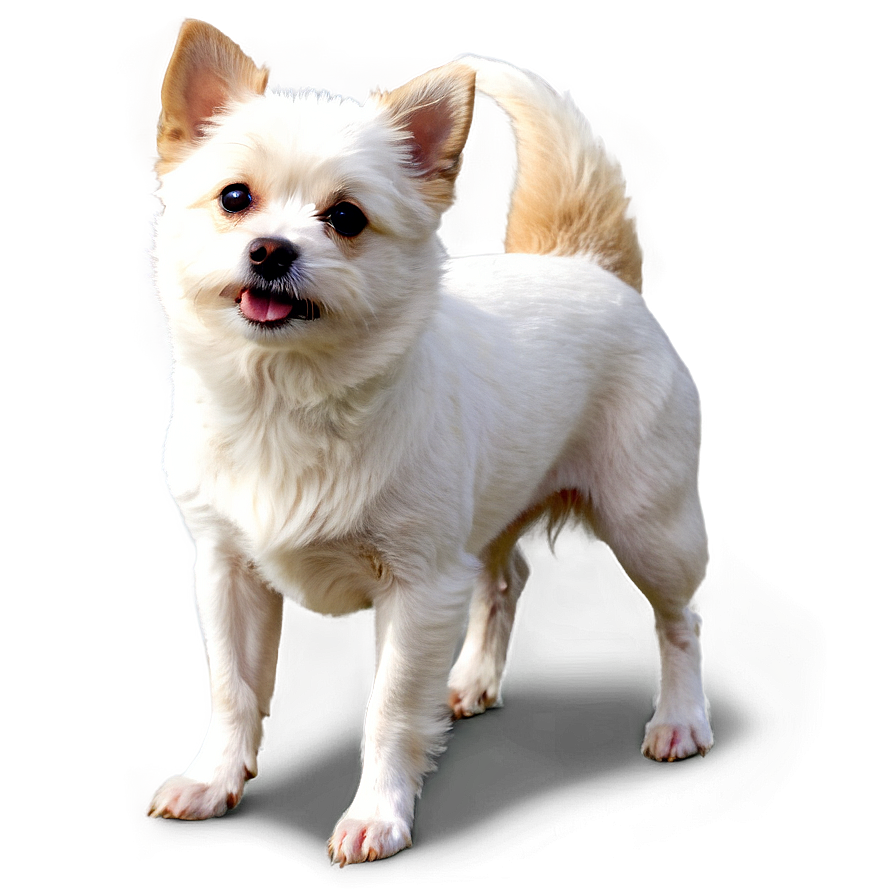
Small Pitbull dogs combine the muscular build and fierce loyalty of larger terriers into a more manageable, compact frame. Often referred to under umbrella terms or specific compact lineages, these dogs bridge the gap between high-energy working dogs and affectionate family companions. If you're considering welcoming one into your home, understanding their exact care needs, temperament traits, and health requirements is essential for a successful ownership experience.
The term "Pitbull" doesn't actually describe a single official breed. Instead, it serves as an umbrella label that typically includes the American Pit Bull Terrier, the American Staffordshire Terrier, and smaller mixes or pocket-sized variations. While standard terriers can weigh upwards of 70 pounds, compact variations generally range from 30 to 50 pounds, standing shorter at the shoulder while retaining a dense, athletic frame. Their short coats require minimal grooming, but their high exercise needs and strong prey drive mean owners must stay proactive.
Physical Characteristics and Size Variations
Understanding what constitutes a small Pitbull starts with anatomy. These dogs feature a broad, wedge-shaped head, powerful jaws, and a muscular neck that flows into a compact, well-proportioned body. Their skin is tight and thick, covered by a short, stiff coat that comes in almost every color imaginable, from classic brindle and blue fawn to solid black and red nose variations.
Weight and height vary depending on the specific lineage:
- Height: Typically 14 to 18 inches at the shoulder.
- Weight: Generally ranges between 30 and 50 pounds for compact variants.
- Build: Solid bone structure, deep chest, and strong hindquarters designed for agility and speed rather than pure bulk.
Unlike toy breeds, these dogs are built like compact athletes. Their muscle mass requires proper maintenance through balanced nutrition and daily movement to prevent joint strain and lethargy.
Temperament and Socialization Realities
Popular media often paints these dogs with a broad brush, but their actual temperament is far more complex and nuanced. When properly socialized, they are notoriously affectionate, eager to please, and deeply bonded to their human families. Often dubbed "velvet hippos," they thrive on physical closeness and family interaction.
However, their terrier heritage brings specific behavioral traits that require active management:
- Prey Drive: Their historical roots mean they may view small animals, cats, or rodents as prey. Early exposure and careful supervision are non-negotiable.
- Dog Selectivity: As they mature, some individuals develop intolerance toward unfamiliar dogs. Socialization during puppyhood helps, but genetic predisposition means dog-park settings aren't ideal for every adult terrier.
- Eagerness to Learn: Their high intelligence makes them exceptionally responsive to positive reinforcement, food rewards, and consistent boundary-setting.
According to data compiled by the American Temperament Test Society, terrier-type breeds consistently score above average in temperament testing compared to many popular family breeds, proving that individual behavior stems from training and environment rather than breed alone.
Daily Care and Exercise Requirements
A sedentary lifestyle is the primary catalyst for behavioral issues in athletic dogs. Small Pitbulls possess boundless energy that must find a constructive outlet every single day. Without adequate physical and mental stimulation, boredom quickly turns into destructive chewing, pacing, or nuisance barking.
Plan for a daily routine that includes:
- Vigorous Exercise: At least 60 to 90 minutes of daily activity, split into morning and evening sessions. This should include brisk walks, jogging, or fetch sessions in a securely fenced area.
- Mental Puzzles: Treat-dispensing toys, scent games, and obedience drills tire their brains faster than physical running alone.
- Leash Training: Because of their pulling strength relative to their size, loose-leash training must start the day you bring your puppy home.
Nutritional Guidelines for Compact Athletes
Fueling a muscular, high-energy dog requires paying close attention to ingredient labels. Cheap commercial fillers do little to support lean muscle mass and can trigger common skin sensitivities.
Look for dog foods featuring these core nutritional components:
- Quality Animal Protein: Whole meats like chicken, beef, lamb, or fish should occupy the first two spots on the ingredient list.
- Healthy Fats: Moderate fat content (around 15 to 20 percent) provides sustained fuel for daily exercise without causing unnecessary weight gain.
- Joint-Supporting Additives: Ingredients containing glucosamine and chondroitin help protect hips and elbows as the dog ages.
Avoid foods heavily loaded with corn, wheat, or soy fillers, which offer little nutritional value and frequently contribute to food-related skin allergies.
Common Health Concerns and Veterinary Care
While generally robust and hardy, these compact terriers carry predispositions to specific inherited health conditions. Regular veterinary check-ups catch these issues early before they impact your dog's quality of life.
Key health considerations include:
- Hip Dysplasia: A malformation of the hip socket that leads to arthritis and mobility issues. Maintaining a lean body weight reduces stress on developing joints.
- Skin Allergies and Atopy: Environmental and food allergens frequently manifest as itchy paws, red skin, or recurrent ear infections. Routine cleaning and veterinary-prescribed diets help manage flare-ups.
- Cardiac Screening: Occasional heart murmurs or congenital heart defects can occur within the broader terrier family, making auscultation during annual exams vital.
Staying current on core vaccinations, parasite prevention for fleas and ticks, and heartworm medication ensures a long, active lifespan that often reaches 12 to 14 years with proper care.
Navigating Legal and Social Stigma
Owning a compact terrier involves more than just physical care; it requires navigating a complicated social and legal landscape. Breed-Specific Legislation (BSL) in various municipalities restricts ownership, imposes mandatory insurance policies, or bans these dogs outright.
Before adopting, research local ordinances in your city and county. Additionally, consult your homeowner's insurance or renter's insurance policy, as some providers maintain liability exclusions for terrier breeds. Being an informed, responsible owner who prioritizes obedience training and secure containment helps challenge negative stereotypes and advocates positively for the breed.
Frequently Asked Questions
Do small Pitbulls make good apartment dogs?
Yes, provided they receive enough outdoor exercise. Their smaller size suits apartment living better than a 70-pound terrier, but you must commit to daily walks and mental stimulation outside the home.
How much do they shed?
They have short, single coats that shed moderately year-round. Weekly brushing with a rubber curry brush easily removes loose hairs and keeps their coat glossy.
Are they good with children?
They can be exceptionally gentle and patient with children within their own family, often earning a reputation as devoted nanny dogs. However, due to their strength and high energy, supervision during play is mandatory to prevent accidental bumps or scratches.
How do I stop my dog from pulling on the leash?
Use front-clip harnesses, high-value treats, and consistent redirection training. Never use harsh corrections, which increase anxiety and can trigger defensive reactions. For more guidance on responsible pet management, review resources from the ASPCA.



