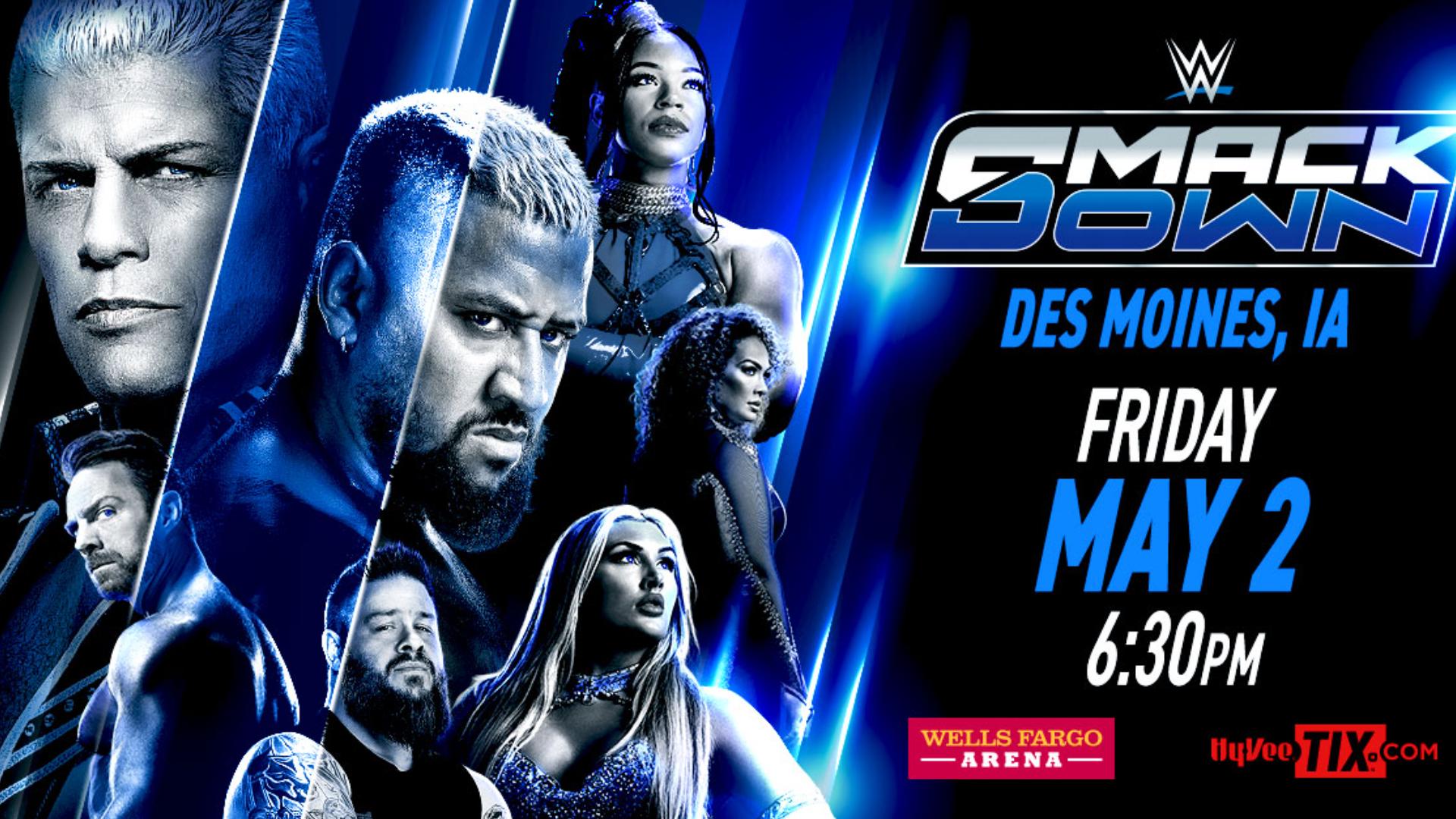
When a high-profile championship match vanishes from a live television broadcast, fans notice immediately. The shocker caught the WWE universe off guard when a major title bout scheduled for Friday Night SmackDown was quietly altered at the eleventh hour. Instead of getting the definitive title clash viewers expected, the card shifted, leaving ticket holders and television audiences searching for answers about why the promotion pulled the plug so abruptly.
Understanding why these high-stakes changes happen requires looking past the surface glamour of sports entertainment. Creative pivots, logistical pressures, and long-term booking strategies often collide on live television days. Let's break down how this abrupt cancellation unfolded, why WWE leadership made the call, and what it means for the division moving forward.
Behind the Sudden Shifting of the Match Card
Live television requires constant flexibility, but altering a championship match on the day of the show is rare. Initially, the advertised lineup promised high drama and a definitive champion. Weeks of television storytelling built up the rivalry, making the contest feel essential for the upcoming premium live event cycle.
Yet, internal pressures often override external expectations. In this instance, the creative team shifted the stipulation from a title defense to a standard, non-title encounter. This kind of sudden shift usually signals a strategic pivot designed to protect the aura of the championship or to preserve a bigger payoff for a larger stage like WrestleMania or SummerSlam.
Creative Direction Versus Live Television Realities
Writing for a weekly live show means managing multiple moving parts simultaneously. When executives decide to pull a championship match, they weigh several critical factors:
- Long-Term Storytelling: Prematurely giving away a marquee match on a standard weekly episode can dilute its impact. Saving it for a major stadium show maximizes revenue and fan investment.
- Injury Precaution and Health: Protecting key performers from nagging injuries right before a major pay-per-view cycle is a top priority for the medical and talent relations teams.
- Network and Timing Demands: Broadcast partners occasionally request specific card adjustments to fit promotional windows or special guest appearances.
While these adjustments make corporate sense, they frustrate fans who buy tickets expecting history to be made on that specific night.
The Impact on the Women's Division
The altered match specifically impacted the women's division, where momentum is everything. Competitors like Giulia and Tiffany Stratton have been locked in a fierce rivalry, trading verbal jabs and physical warnings across multiple episodes. When a scheduled Women's United States Championship match gets downgraded to a regular singles match, it changes the psychological stakes of the feud.
Instead of fighting for gold, the athletes suddenly fight purely for pride and dominance. For viewers tracking the division's evolution, this pivot can feel like a temporary roadblock. However, seasoned observers recognize that stretching a feud often builds deeper animosity, setting the stage for a more explosive collision down the line. You can read more about current product updates on WWE.
How WWE Handles Last-Minute Card Changes
The sports entertainment industry operates differently from traditional athletic leagues. When a traditional sports match is cancelled, it gets rescheduled. In professional wrestling, a cancelled title match usually means the story evolves in real-time on live television.
+------------------------------------------------------------+
|                  The Creative Pivot Flow                   |
|                                                            |
|  [Initial Booking] -> [External/Internal Pressure]         |
|         |                                                  |
|         v                                                  |
|  [Match Downgrade] -> [Angle Expansion] -> [PLE Payoff]    |
+------------------------------------------------------------+
When a match gets pulled, the booking team immediately implements a replacement angle. This might involve a post-match beatdown, a backstage confrontation, or an authority figure stepping in to re-stipulate the rules. This ensures the live crowd still gets a memorable moment, even if the championship belt itself never leaves the briefcase.
Common Mistakes Fans Make When Evaluating Last-Minute Changes
When news breaks about a scrapped championship bout, social media reactions tend to jump to extremes. Avoiding common analytical missteps helps clarify what's actually happening behind the curtain.
- Assuming an Injury Occurred: Fans often panic and assume a wrestler is seriously hurt. In reality, most day-of changes are creative decisions rather than medical scratches.
- Undervaluing the Live Audience Experience: While television viewers miss out on a title change, live ticket holders still witness high-intensity action that advances the overarching narrative.
- Ignoring the Bigger Calendar Picture: A weekly television show serves the broader calendar. Booking a title change on free TV requires a strong strategic reason.
Frequently Asked Questions
Why do wrestling promotions cancel title matches on short notice?
Promotions typically alter advertised cards to protect a major matchup for a premium live event, manage talent health, or adjust to shifting television network requirements.
Do ticket holders get refunds when a match changes?
Standard ticketing policies state that card subjects are always subject to change. Refunds are rarely issued solely for a match modification unless the entire event is cancelled.
Does a non-title match mean the feud is over?
No, a non-title encounter usually serves as a stepping stone to escalate the rivalry, often leading to an even more heated stipulation match later.
How do wrestlers find out about last-minute script changes?
Talent receive updated rundowns and script revisions throughout the afternoon leading up to the live broadcast, requiring them to stay adaptable under pressure.


