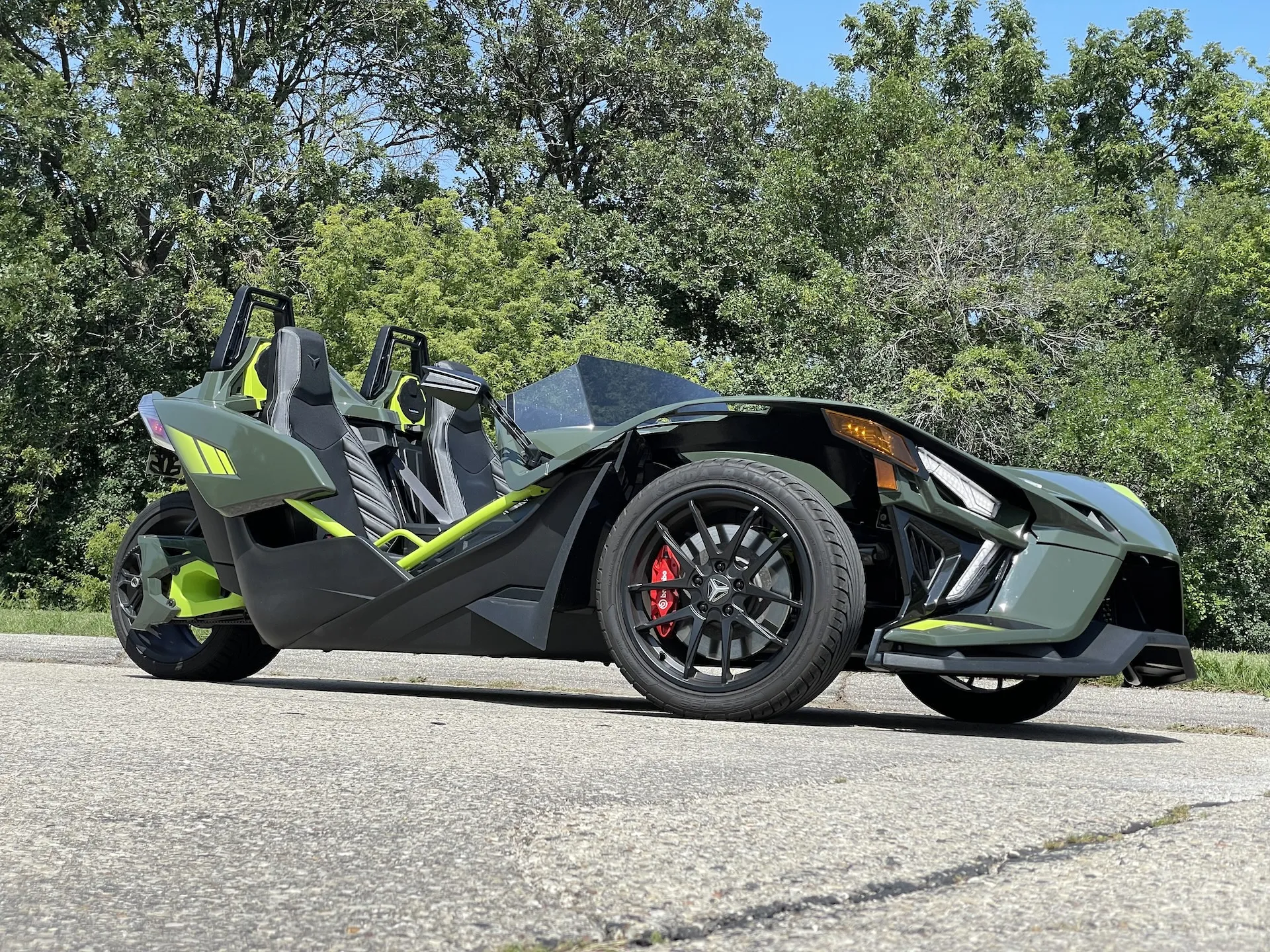
When you strap into an open-cockpit vehicle like a Polaris Slingshot, you trade traditional automotive insulation for raw, unfiltered road feedback. Every bump, turn, and jolt travels straight through the factory chassis to your lower back. That direct connection is thrilling for about twenty minutes, but on a four-hour road trip, it turns into an endurance test.
That physical reality explains why riders look for specialized accessories like slingshot ride nip slips to modify their cockpit experience. Rather than serving as some mystical upgrade, these specialized seat pad inserts target specific pressure points caused by bucket-seat geometry. They aim to solve a very real physical problem: rider fatigue and tailbone bruising caused by rigid, low-profile seats.
If you are tired of shifting your weight every two miles trying to find a comfortable posture, understanding how specialized in-seat padding works can change your next road trip. Let's break down why factory seating fails, how auxiliary padding works, and what you need to consider before modifying your ride.
Why Factory Slingshot Seats Cause Discomfort
Factory seats in open-air autocycle vehicles prioritize containment over plushness. When you take sharp corners, you need lateral support to keep from sliding across the cabin. Engineers achieve this by designing deep bucket seats with firm side bolsters and minimal high-density foam.
This design creates two major issues for long-distance drivers:
- Tailbone Compression: The flat, low recline angle places excessive vertical weight directly on your sacrum and coccyx rather than distributing it evenly across your thighs.
- Vibration Fatigue: Without thick suspension layers beneath the seat pan, high-frequency road vibrations pass straight through the fiberglass or plastic seat shell into your lumbar region.
When riders experience what the community colloquially calls nip slips in this context, they aren't dealing with a mechanical failure of the vehicle. They are experiencing slippage—the tendency of the body to slide forward or sideways against slick synthetic seat materials during aggressive acceleration or braking. This constant micro-sliding forces your core muscles to work overtime just to keep you upright.
The Ergonomics of In-Seat Pressure Relief
Solving cockpit discomfort requires managing two opposing forces: grip and cushioning. If you add a thick, plush cushion to a Slingshot seat, you elevate your center of gravity and lose the responsive steering feel that makes the vehicle fun.
Effective pressure relief relies on low-profile, high-density materials that change how weight distributes across the seat pan.
Material Selection
Modern comfort inserts avoid standard couch foam, which bottoms out under body weight within minutes. Instead, they use engineered alternatives:
- Open-Cell Memory Foam: Conforms to individual anatomy, though it can trap heat in warm weather.
- Medical-Grade Gel Layers: Disperses peak pressure points across a wider surface area, reducing hot spots under the ischial tuberosities (sit bones).
- High-Density Neoprene or EVA Rubber: Resists moisture, provides slight tackiness to prevent sliding, and absorbs low-amplitude vibrations.
Thickness and Positioning
Millimeters matter when you modify a cockpit. Adding more than an inch of padding alters your steering wheel reach and pedal clearance. The most effective inserts measure between a quarter-inch and three-quarters of an inch thick. They focus their support strictly under the thighs and the lower lumbar curve, leaving the center channel open to relieve direct pressure on the tailbone.
Practical Steps to Optimize Your Cockpit Setup
If you want to eliminate lower back pain and slipping during long drives, swapping out your seating accessories requires a methodical approach. Don't just buy the first gel pad you see online.
- Assess Your Pain Points: Take note of where you hurt after a thirty-minute drive. Is it your lower back, your tailbone, or your outer thighs from pinching bolsters? Buy inserts that target those specific zones.
- Measure Seat Dimensions: Grab a tape measure before ordering any aftermarket pad. Slingshot seats feature aggressive bolsters; a square pad won't fit into the bucket properly and will bunch up under your legs.
- Check Retention Systems: Because open-cockpit vehicles catch wind when parked, any loose pad will blow away instantly. Look for inserts with non-skid rubber backing, integrated strap systems, or hook-and-loop fasteners that anchor to the factory seat belt harness or seat frame.
- Test the Ergonomics: Sit in the vehicle after installation. Can you still reach the pedals comfortably? Does your eye level drop too low, obstructing your view over the windshield? If your driving position feels compromised, remove the padding.
Common Mistakes to Avoid
Riders often make simple errors when trying to upgrade their cockpit comfort. Avoiding these pitfalls saves you time and money.
- Using Household Cushions: Standard throw pillows or office chair pads lack anchoring systems. In an open vehicle, they become dangerous projectiles or shift mid-corner, throwing off your vehicle control.
- Prioritizing Softness Over Support: Too much plushness causes your hips to sink lower than your knees, pinching your sciatic nerve and increasing back pain over long distances.
- Ignoring Weather Resistance: Open vehicles get caught in rainstorms. If your seat insert absorbs water like a sponge, you'll end up with a soggy seat for the rest of your trip. Stick to marine-grade vinyl, closed-cell foam, or breathable mesh covers.
You can learn more about proper vehicle ergonomics and posture guidelines through resources provided by the Occupational Safety and Health Administration regarding seated work postures, or check maintenance advice directly via Polaris.
Frequently Asked Questions
Do seat pads change the handling feel of a Slingshot?
Thick foam pads can slightly dampen your connection to the chassis, making it harder to feel what the rear tires are doing. Low-profile gel or high-density rubber inserts provide pressure relief without muting road feedback.
Can I install comfort inserts myself without tools?
Yes. Most aftermarket pads designed for open-cockpit vehicles use strap-on designs or drop right into the bucket seat without requiring wrenches or permanent modifications to your interior.
How do I stop sliding around in factory bucket seats?
Aside from specialized seat pads, wearing riding apparel made from high-friction materials like heavy denim or leather helps anchor you in place compared to slick athletic synthetics.
Are these modifications waterproof?
It depends on the product. Quality aftermarket pads feature marine-grade outer shells or closed-cell foam cores that shed water and dry quickly after a surprise rain shower.



