A sleep call happens when two people stay connected on a voice or video platform like Discord or FaceTime past midnight, leaving the line open as they drift off to sleep. Originally popularized by long-distance couples and close online friend groups, this digital ritual trades physical proximity for ambient sound. If you are wondering whether keeping an open phone line all night will help your bond or drain your battery, you need to weigh the psychological comfort against the hidden costs to your rest.
Evaluating whether a sleep call fits your lifestyle comes down to understanding your boundaries, your communication needs, and how your nervous system handles overnight sensory input. While proponents praise the deep comfort of hearing a partner's breathing across the miles, critics point to fragmented sleep cycles and boundary fatigue. Let's break down how sleep calls work, why people do them, and how to decide if they belong in your nightly routine.
What Is a Sleep Call and Why Do People Do Them?
At its core, a sleep call is an intentional continuation of communication past the point of wakefulness. Unlike traditional phone calls that end with a polite goodbye, a sleep call merges your waking relationship with your vulnerable sleeping hours.
People turn to this practice for several specific psychological reasons:
- Alleviating Loneliness: For long-distance partners or people living alone, the ambient noise of a breathing person mimics the security of co-sleeping.
- Transitioning Anxiety: Racing thoughts often peak at night. Listening to a familiar voice or soft background shuffling provides a steady anchor that quiets an overactive mind.
- Micro-Connection: In fast-paced schedules, keeping the call running overnight ensures that the first thing you experience upon waking is your person's voice.
Despite these emotional benefits, the practice introduces unique logistical hurdles. Phone data usage, battery degradation, microphone feedback loops, and accidental morning wake-ups can quickly turn a romantic gesture into a friction point.
The Psychological and Physical Reality
Before committing to a nightly open line, it's vital to examine how an all-night connection impacts your health. Sound doesn't stop affecting your brain just because your eyes are closed.
Sleep Architecture Disruption
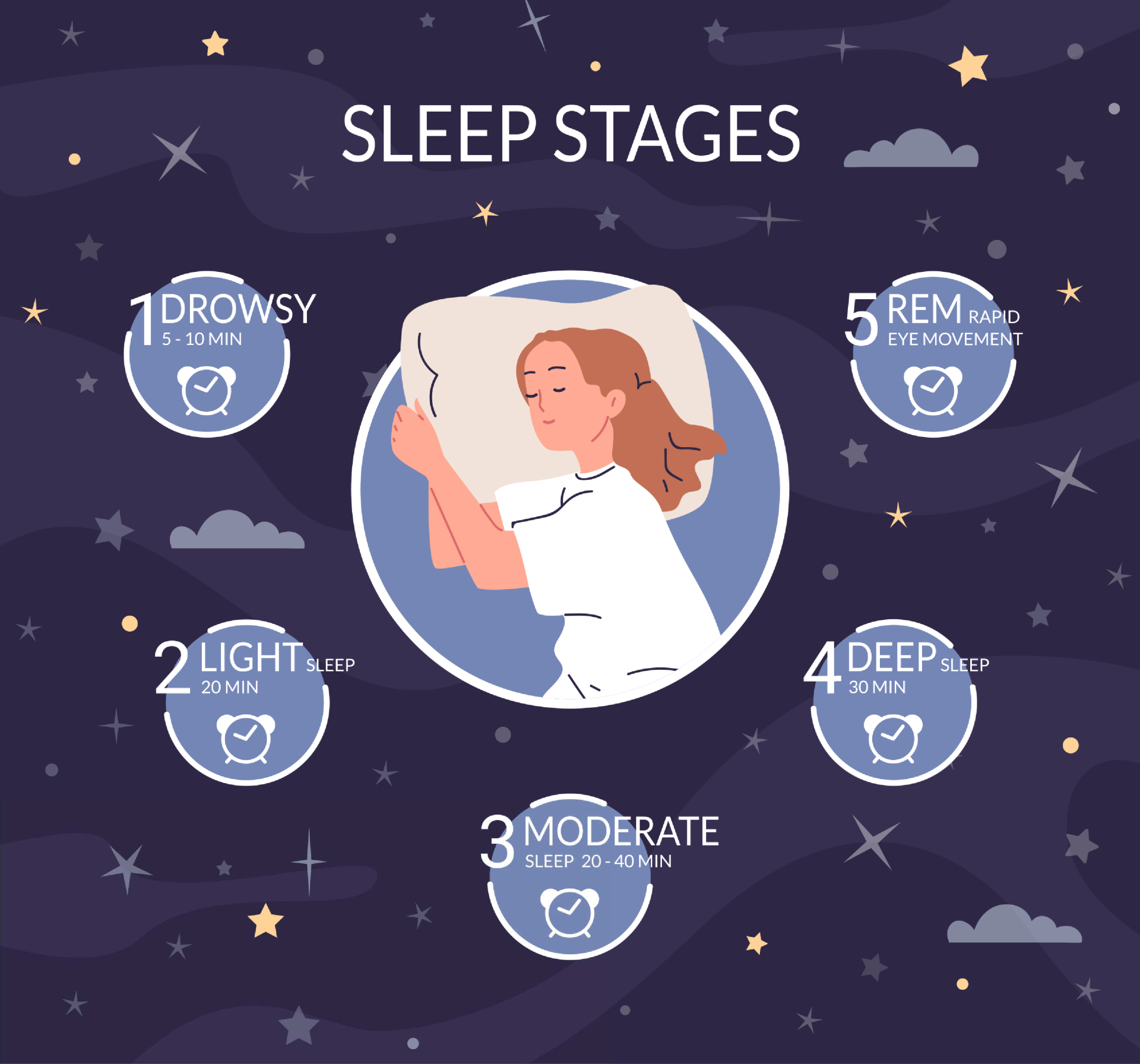
Your brain cycles through distinct stages of rest, including deep slow-wave sleep and REM sleep, which are crucial for memory consolidation and emotional regulation. Even low-level audio from a phone speaker creates micro-arousals. You might not fully wake up, but your nervous system remains on alert to process incoming sounds. Over time, this fragmented rest leads to daytime irritability and higher stress hormone levels.
The Expectation Trap
When a sleep call becomes an unwritten rule in a relationship, skipping it can trigger unnecessary anxiety or insecurity. If one partner needs absolute silence to function at work the next day, turning off the call can be misread as emotional withdrawal. Establishing clear, mutual consent keeps the practice healthy rather than obligatory.
Common Mistakes to Avoid
Many couples dive into overnight calling without setting ground rules, leading to burnout and frustration. Watch out for these pitfalls:
- Sacrificing Sleep Quality for Closeness: If you wake up exhausted every day, the emotional payoff of the call isn't worth the physiological toll. Prioritize your baseline health.
- Failing to Set Volume and Data Boundaries: Waking up at 3 AM to a loud cough or a sudden notification alert ruins the restful environment you're trying to create. Always use headphones or adjust speaker volumes carefully.
- Using Sleep Calls to Mask Relationship Insecurity: If you or your partner use the open line as a digital leash to monitor each other or soothe severe abandonment anxiety, it acts as a band-aid over deeper communication gaps.
Frequently Asked Questions
Does a sleep call mean we are definitely in a relationship?
Not necessarily. While common among romantic partners, especially in long-distance dynamics, friends and platonic peers also use sleep calls for comfort or studying together late into the night. The act itself is a tool for comfort, not an official relationship milestone.
How do I stop doing sleep calls without hurting feelings?
Frame the change around your physical health rather than your feelings for the other person. Explain that you are experimenting with better sleep hygiene, such as keeping devices out of the bedroom, and suggest alternative morning check-ins like a sweet text message waiting when you wake up.
Are there alternatives if all-night calls disrupt my sleep?
Yes. Many people use white noise apps, recorded sleep stories, or brief 5-minute voice notes sent before bed to maintain intimacy without keeping an active digital connection open for eight hours.
Can sleep calls damage your phone?
Leaving a phone plugged into a charger while running a continuous streaming or voice app all night generates sustained heat. Over months, this accelerates battery degradation and can cause device throttling.



