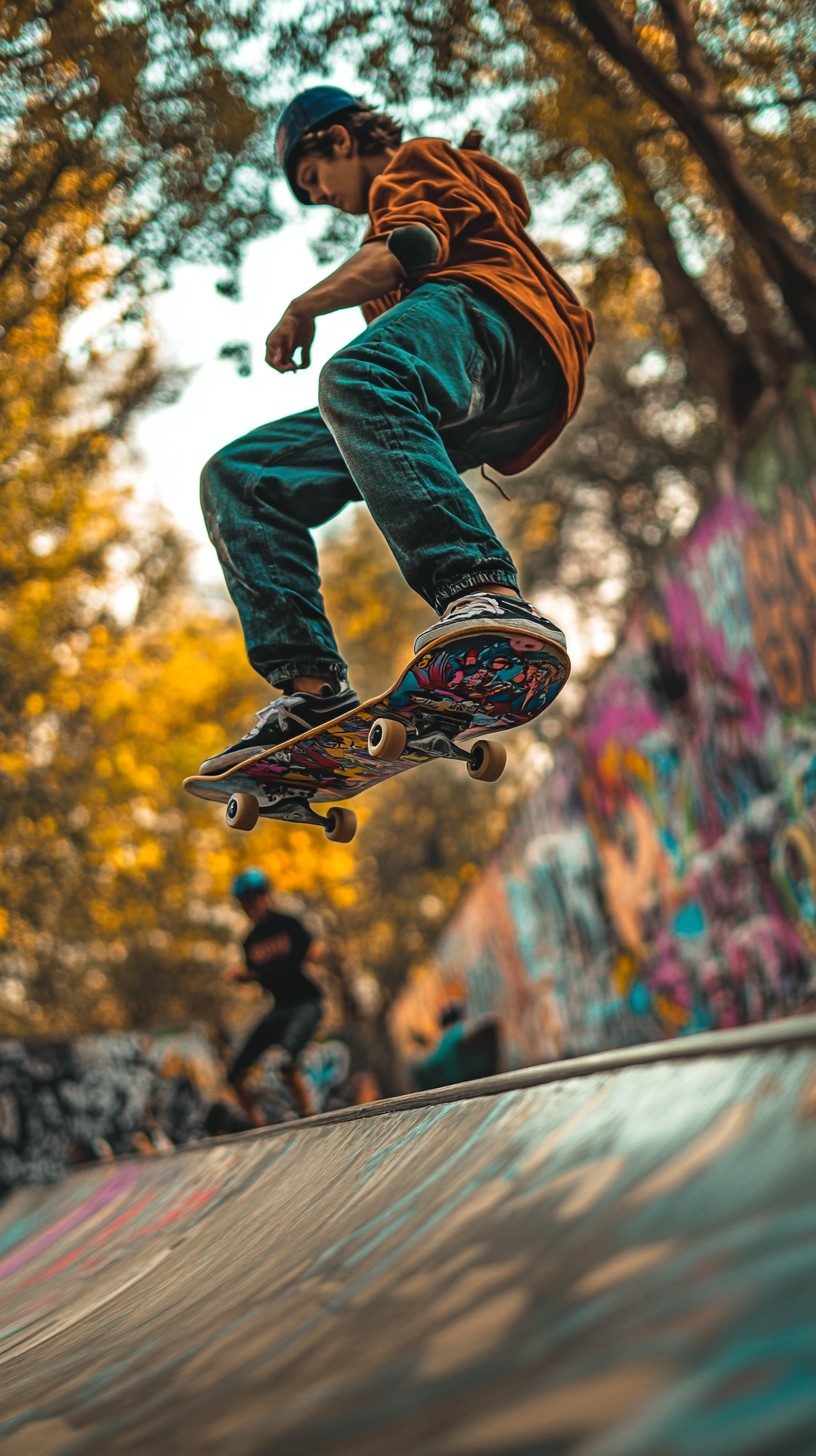
When a skateboarder ignores clear security requests at a public beach park, it sparks a predictable clash between civic property access and enforcement boundaries. Viral footage of standoffs at coastal skateparks highlights a persistent gray zone where public right-of-way rules collide with private-style facility management. Understanding how property jurisdiction, guard authority, and legal liability operate prevents these routine conflicts from escalating into legal or physical altercations.
Public beach skateparks often sit on municipal land, yet many coastal cities contract third-party operators to manage maintenance, liability waivers, and daily oversight. This hybrid structure creates confusion. Guards frequently operate under strict corporate guidelines or municipal codes that prohibit skating during specific hours, yet their legal authority remains distinct from law enforcement. Recognizing the legal framework governing these spaces helps both skaters and facility operators navigate property rules effectively.
The Legal Boundary Between Security and Law Enforcement
Private and contracted security personnel do not possess police powers. In most jurisdictions, a guard cannot legally detain individuals, physically confiscate personal property like skateboards, or issue binding criminal citations.
- Observation and Reporting: Standard security protocols emphasize observing rule violations, documenting evidence through logs or cameras, and contacting local police.
- Requesting Vacated Premises: Guards can legally request that an individual leave public property if there is a documented violation of posted park hours, safety bylaws, or municipal ordinances.
- The Threshold of Trespass: Refusing a lawful request to leave a municipal facility after hours or during a designated closure can shift the status of an individual from a visitor to a trespasser, giving police grounds to intervene.
When guards overstep these boundaries by attempting to grab equipment or block movement physically, they expose themselves and their employers to liability. Conversely, skaters who treat public property as an absolute right without regard to posted operational rules invite law enforcement intervention.
Why Skateboarders and Guards Clash
Friction at beach skateparks rarely stems from personal animosity; it results from structural mismatches between skater culture and municipal risk management. Cities face heavy insurance premiums for public recreational spaces, particularly coastal parks exposed to salt corrosion, high foot traffic, and mixed-use zones near boardwalks.
Municipalities often post strict operational rules to mitigate liability in the event of an injury. When guards enforce these policies rigidly during peak hours, skaters view it as an arbitrary restriction on public infrastructure paid for by taxpayers. This mutual distrust turns minor rule enforcement into a prolonged public standoff.
De-Escalating On-Site Confrontations
When a security interaction occurs, escalating the tension rarely resolves the underlying policy issue. Both parties benefit from shifting the dynamic away from a power struggle.
- Ask for Specific Rules: Instead of arguing about fairness, request the exact municipal code or posted regulation prohibiting use at that moment.
- Verify Operating Hours: Check if the restriction stems from a temporary closure, maintenance window, or official sunset curfew.
- Assess Risk Tolerance: If a clear rule exists, continuing to skate guarantees police dispatch, potential equipment confiscation via law enforcement, or formal trespass notices.
- Document Calmly: If a guard acts outside their legal authority—such as attempting physical restraint or property seizure—recording the interaction objectively protects both parties without inviting physical conflict.
Municipalities outline public park guidelines through local government channels, such as the BC Laws Public Guardian and Trustee framework or similar municipal bylaws, which define the exact limits of public land access.
Liability and Infrastructure Design
The design of beachside skateparks introduces unique hazards that amplify municipal anxiety. Proximity to sand, moisture, and heavy pedestrian traffic increases the likelihood of slips and stray board collisions.
Cities often attempt to balance these risks through physical barriers, automated audio warnings, or contracted security presence. However, heavy-handed enforcement often drives skaters to bypass official facilities entirely, encouraging street skating in less controlled public zones. Effective urban planning requires cities to consult local user groups during design phases to minimize friction between recreational needs and public safety protocols.
Frequently Asked Questions
Can security guards legally take your skateboard?
No. Security personnel lack the legal authority to confiscate personal property unless a formal citizen's arrest protocol applies under specific criminal statutes, which rarely covers routine skateboarding infractions. Seizing equipment can be classified as theft or conversion.
What should you do if a guard asks you to leave a public park?
Verify whether the request is backed by a posted rule, scheduled closure, or local bylaw. If a legitimate municipal ordinance is in place, compliance prevents a misdemeanor trespass charge. If no rule exists, you can calmly request clarification or contact municipal representatives later.
Are municipal beach skateparks considered private property?
No. They are public infrastructure, but municipalities retain the legal right to establish operating hours, maintenance closures, and safety codes that govern when and how the public uses the space.
Why do cities hire security for skateparks instead of relying on police?
Private security provides a lower-cost deterrent against vandalism, after-hours liability risks, and unauthorized events, keeping police free to respond to higher-priority emergency calls.


