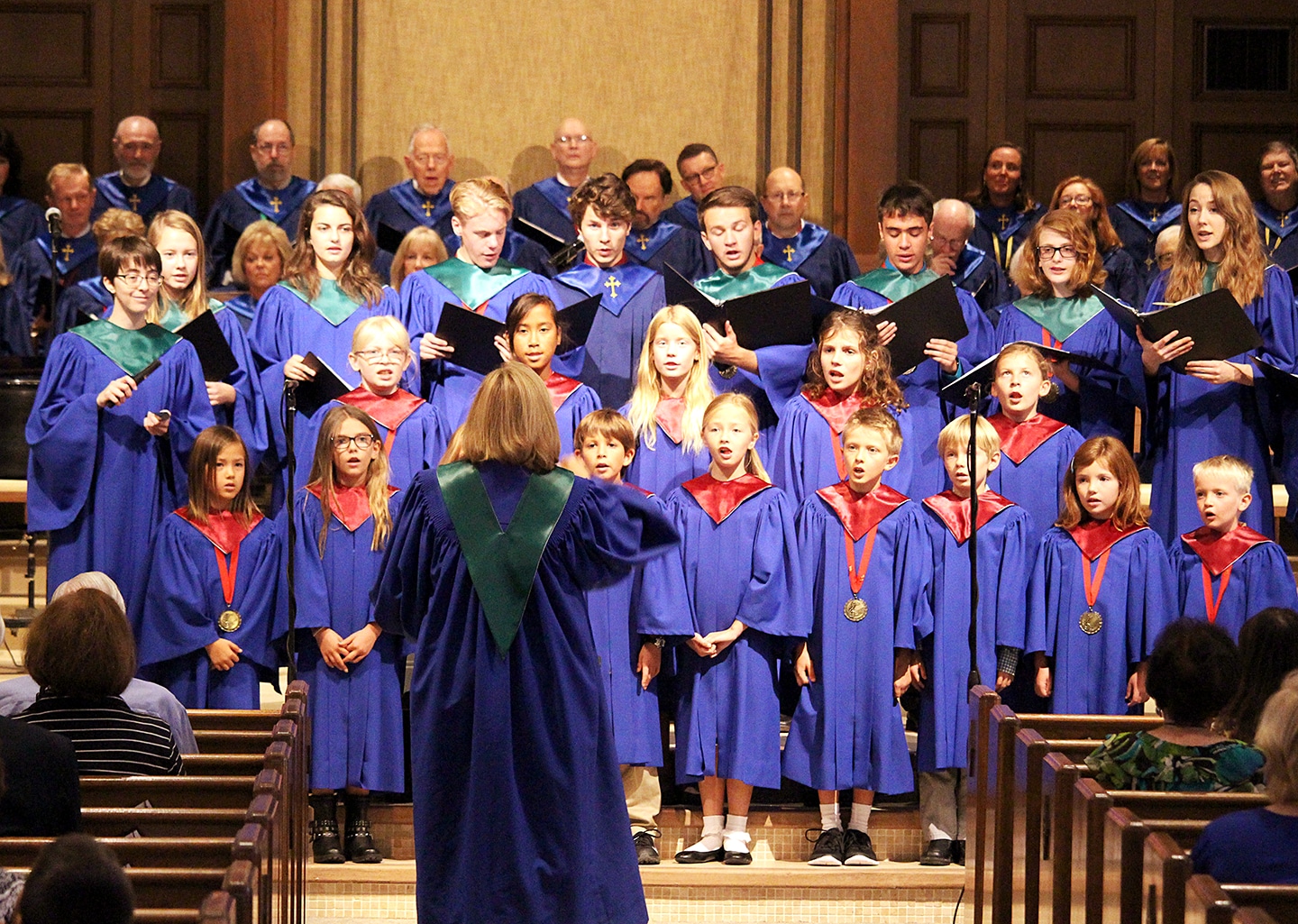
Released in 1993, Sister Act 2: Back in the Habit defied the curse of the sophomore slump by trading the mobster plot of the original for a gritty, high-stakes battle to save a failing inner-city school. While Whoopi Goldberg returned to anchor the film, its true engine was a young, largely unknown ensemble cast that brought raw vocal talent and genuine teenage angst to the screen.
The movie’s success relied on a delicate balance between seasoned Hollywood veterans and fresh faces who could actually sing, dance, and hold their own against a comedic powerhouse. When Deloris Van Cartier returned as Sister Mary Clarence, she didn't just teach choir; she unlocked a generational talent pool that turned classroom skepticism into a full-blown musical revival.
Finding the Voice: Lauryn Hill and the Young Ensemble
At the center of the sequel's musical identity was Lauryn Hill as Rita Watson. Just a year before rising to global fame with The Fugees, Hill delivered a performance anchored by fierce independence and a soaring alto. Her vocals on tracks like "His Eye Is on the Sparrow" gave the film emotional weight that elevated it far beyond a standard comedy sequel.
Surrounding Hill was a meticulously assembled group of young actors who played the unruly students of St. Francis Academy. Ryan Toby, cast as the gifted yet hesitant Ahmal, brought an R&B sensibility and a five-octave vocal range that powered the film's climax, "Joyful, Joyful." Toby didn't just act the part; his actual musical arrangements and vocal coaching behind the scenes shaped how the choir sounded.
The ensemble also featured diverse talents like Tanya Trotter (now of the Grammy-winning duo The War and Treaty), Monica Calhoun, and Cedrick Terrell. Each brought distinct vocal textures to the choir stalls, creating a realistic sense of a ragtag group coming together. They weren't polished professional singers hired off a studio lot; they felt like kids from the neighborhood discovering their own power through harmony.
The Adult Cast: Anchoring the Chaos
While the teenagers provided the soul, the veteran cast members built the comedic and dramatic framework that kept the plot moving. Whoopi Goldberg slipped back into her role with effortless comedic timing, but she also functioned as a de facto mentor to the younger actors on set, a dynamic that bled naturally into the film's narrative.
Maggie Smith returned as the unflappably proper Mother Superior, providing a sharp foil to Goldberg's improvised chaos. Alongside her, Kathy Najimy (Sister Mary Patrick) and Wendy Makkena (Sister Mary Robert) reprised their roles as the enthusiastic nuns who bridge the gap between old-school religious tradition and Deloris's modern flair.
The introduction of James Coburn as the stiff, cynical Father Maurice added a layer of institutional resistance. Coburn played the administrator who viewed the arts program as a waste of time, giving the choir a tangible obstacle to overcome. His presence grounded the film in the grim reality of budget cuts and school closures that threatened inner-city education in the early nineties.
Behind the Harmony: Music and Production Realities
The iconic choir scenes weren't just movie magic; they were the result of grueling musical boot camps. Under the direction of musical supervisor Marc Shaiman and vocal coach Harper Sorzano, the young cast spent weeks rehearsing harmonies, breath control, and stage presence before cameras ever rolled.
Most of the vocals heard in the film were performed live or recorded specifically for the production rather than dubbed over by studio singers later. This choice gave the musical numbers an organic, sometimes imperfect edge that communicated genuine teenage vulnerability. When the choir cracks a smile or lets out a triumphant cheer during "Oh Happy Day," those reactions reflect genuine relief after grueling takes under hot studio lights.
The choreography, spearheaded by Arlene Phillips, relied on the awkward, endearing energy of teenagers rather than pristine Broadway precision. This grounded approach made the transition from a disorganized classroom mumble to a synchronized stadium performance feel earned rather than magical.
Career Trajectories After the Spotlight
The film served as a launching pad, though the cast members experienced vastly different paths after the credits rolled.
- Lauryn Hill transcended film entirely, releasing The Miseducation of Lauryn Hill in 1998, which earned five Grammy Awards and cemented her status as a hip-hop and R&B icon.
- Ryan Toby pursued a successful career as a singer, songwriter, and producer, writing for artists like Usher and forming the R&B group City High.
- Tanya Trotter built a lasting legacy in roots and Americana music alongside her husband Michael Trotter Jr. in The War and Treaty, earning multiple Grammy nominations.
- Kathy Najimy and Wendy Makkena continued prolific television and film careers, appearing in numerous sitcoms, animated features, and theatrical productions.
Frequently Asked Questions
Did the young actors in Sister Act 2 actually sing their own parts?
Yes. Unlike many musical films of the era that relied on ghost singers, the young cast members—particularly Lauryn Hill, Ryan Toby, and the core choir soloists—performed their own vocals. Their distinct tones and vocal capabilities defined the film's soundtrack.
Who arranged the music for the film's famous finale?
The musical arrangements for the standout numbers, including "Joyful, Joyful," were crafted by Marc Shaiman and Mervyn Warren, blending traditional gospel roots with contemporary 90s R&B grooves to appeal to a younger audience.
Where was St. Francis Academy filmed?
While set in San Francisco, much of the school and church-related filming took place in and around Los Angeles, utilizing historical churches and architectural facades to mimic the steep hills and urban neighborhoods of Northern California.
Why did Sister Act 2 perform differently than the original at the box office?
The sequel grossed less domestically than the original 1992 film, a common trend for comedy sequels of that era. However, it achieved enduring cultural status through home video, television syndication, and streaming platforms, largely due to its timeless soundtrack and the strength of its young cast.



