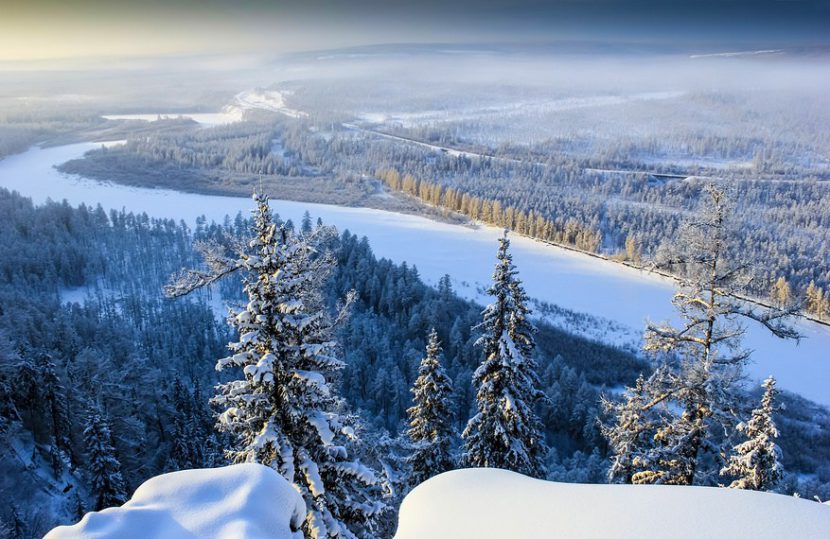
Siberia spans over thirteen million square kilometers across northern Asia, making up roughly three-quarters of Russia's total landmass. This immense, sparsely populated territory stretches from the Ural Mountains eastward to the Pacific Ocean, and from the Arctic Ocean south to the borders of Kazakhstan, Mongolia, and China. Far from being a uniform wasteland of ice, Siberia contains towering mountain ranges, the world's largest unbroken forest, and deep freshwater lakes that hold twenty percent of the world's unfrozen surface fresh water.
Travelers drawn to remote frontiers find that exploring this northern wilderness requires serious logistical planning, endurance, and respect for extreme environments. Winter temperatures regularly drop below minus forty degrees Celsius, while brief summers bring swarms of mosquitoes and unexpected warmth. Understanding the regional geography, transportation realities, and unique ecosystems helps turn a daunting expedition into a manageable and unforgettable journey.
Geography and Climate Realities
Siberia's sheer scale creates diverse ecological zones, shifting from western Siberian wetlands to the central Siberian plateau and the rugged eastern mountain chains. Permafrost defines nearly sixty-five percent of the regional landscape, keeping the ground frozen year-round beneath a thin active layer that thaws during summer.
The taiga—the vast boreal forest dominated by larch, pine, spruce, and fir—blankets millions of square kilometers. Interspersed throughout this dense woodland are massive river systems like the Ob, Yenisei, and Lena, which flow northward into the Arctic Ocean.
Winter dominates the calendar across most of Siberia, lasting from October through April with profound cold and short daylight hours. Summer arrives swiftly in June, bringing twenty-four hours of daylight in northern latitudes and temperatures that can reach thirty degrees Celsius in southern basins like Yakutsk. This extreme seasonal swing demands specialized gear, proper clothing layers, and careful itinerary scheduling.
Key Destinations Worth Visiting
While much of Siberia remains virtually roadless wilderness, several iconic locations offer access for adventurous travelers willing to navigate long-distance trains or regional flights.
- Lake Baikal: As the oldest and deepest freshwater lake on Earth, Baikal holds roughly twenty percent of the planet's unfrozen surface fresh water. In winter, its ice forms translucent, turquoise patterns up to two meters thick, allowing for skating and ice-driving tours. In summer, the surrounding Great Baikal Trail provides world-class hiking through dramatic coastal cliffs and taiga forests.
- The Altai Mountains: Located in southern Siberia near the Mongolian and Chinese borders, the Altai range features glaciated peaks, alpine meadows, and rushing whitewater rivers. It serves as a premier destination for backcountry trekking, mountaineering, and cultural immersion with indigenous Turkic-speaking pastoralists.
- Kamchatka Peninsula: Though geographically positioned just east of mainland Siberia, Kamchatka is intimately linked to the Russian Far East wilderness experience. It features more than three hundred volcanoes, active geyser fields, and abundant brown bear populations along Pacific coastal salmon streams.
- Yakutsk and Oymyakon: For travelers seeking the ultimate cold-weather experience, the Sakha Republic offers access to the coldest permanently inhabited places on Earth. Winter visits require specialized winter survival gear and local guides to navigate extreme sub-zero conditions safely.
Logistics and Transportation
Traveling across Siberia means accepting vast distances and limited infrastructure outside major urban corridors. The Trans-Siberian Railway remains the classic backbone of regional transit, running 9,289 kilometers from Moscow to Vladivostok over seven days of continuous travel.
Regional aviation is often the only way to reach remote northern settlements, arctic outposts, or mountain trailheads. Flights depend heavily on weather conditions, and schedules can shift without warning during autumn storms or winter blizzards.
Car rentals are generally limited to major cities like Novosibirsk, Irkutsk, or Krasnoyarsk. Independent road trips into remote taiga or mountain passes require rugged four-wheel-drive vehicles, satellite communication devices, spare fuel canisters, and mechanical self-sufficiency. For details on consular services, safety advisories, and official entry protocols before departure, consult the Government of Canada Travel Advice or the U.S. Department of State International Travel portals.
Common Mistakes to Avoid
- Underestimating the Weather: Packing standard winter gear meant for temperate climates will lead to severe frostbite. Layers of merino wool, down insulation, windproof outer shells, and insulated rated boots are mandatory for winter travel.
- Ignoring Distances: Trying to see multiple distant regions like Baikal and Kamchatka in a single week is impossible due to massive transit gaps. Focus on one specific sub-region per trip.
- Traveling Without Local Guides: Venturing into remote taiga or mountain terrain without experienced local guides introduces significant risks regarding wildlife encounters, navigation errors, and medical emergencies.
- Neglecting Permits and Registration: Certain border zones, indigenous territories, and nature reserves require official advance permits or local registration. Failing to secure paperwork can result in heavy fines or forced deportation from the area.
Frequently Asked Questions
What is the best time of year to visit Siberia?
June through August offers the warmest weather, accessible hiking trails, and twenty-four hours of daylight in the north. February and March are ideal for winter enthusiasts wanting to experience frozen Lake Baikal, snowmobiling, and authentic Siberian winter conditions.
Is it safe to travel independently in Siberia?
Major cities and tourist hubs along the Trans-Siberian railway are generally safe for cautious travelers, but remote wilderness areas present severe environmental hazards, extreme weather, and limited emergency rescue infrastructure. Hiring licensed local operators for backcountry expeditions is strongly recommended.
How do I get around if I don't take the train?
Domestic airlines connect major Siberian hubs like Novosibirsk, Irkutsk, and Khabarovsk. Beyond regional airports, travel relies on local bus lines, private 4WD transfers, or seasonal winter ice roads carved across frozen rivers.
What wildlife should travelers watch out for?
Siberian brown bears, wolves, and lynx inhabit the taiga and mountain zones. Carrying bear spray, making noise while hiking through dense brush, and storing food securely in wilderness camps are essential safety precautions.


