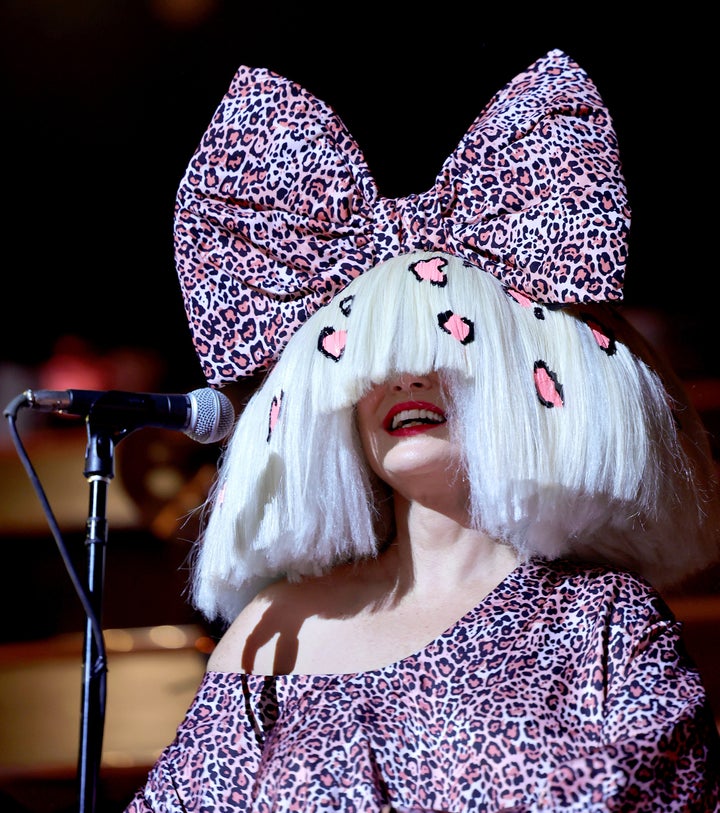
Sia Furler spent years in the background of the music industry as a songwriter for hire before stepping into the spotlight on her own terms. When global stardom arrived with 2014's 1000 Forms of Fear, she chose a radical path. Instead of embracing the traditional celebrity spotlight, she donned oversized two-tone wigs and black sunglasses, effectively hiding her face from the public eye. This calculated move didn't alienate her audience; it forged a distinct brand of pop stardom rooted in artistic autonomy and privacy.
The choice to remain veiled challenges an industry built on constant visibility, parasocial intimacy, and physical exposure. While traditional pop icons rely on red-carpet appearances, social media oversharing, and recognizable faces to sell records, Sia proved that great songwriting and emotional resonance can stand entirely on their own. By stepping behind the curtain, she reclaimed control over her mental health, career trajectory, and personal life.
The Evolution of Sia's Anonymity Strategy
Sia's rise wasn't an overnight accident. Before the wigs became a global phenomenon, she built her career through years of hard work in Adelaide's acid jazz scene, indie pop collaborations with Zero 7, and solo records like Some People Have Real Problems. Yet, as her solo profile grew, so did her discomfort with the relentless scrutiny of modern celebrity culture.
When her single "Chandelier" exploded into a worldwide hit, Sia made a conscious pivot. She opted out of traditional promotional cycles, talk show face-to-face interviews, and photo shoots. Instead, she let dancers like Maddie Ziegler step in as her visual proxy on stage and in music videos.
This strategy achieved two key objectives:
- It protected her psychological well-being by establishing a firm boundary between her public product and private life.
- It shifted the listener's focus entirely toward the vocal delivery, lyrical vulnerability, and kinetic performance art.
Visual Storytelling Through Dance and Obscurity
Without a recognizable face to anchor her music videos, Sia built a completely different visual language. Collaborating closely with directors and choreographers, she turned her videos into miniature cinematic narratives.
Tracks like "Elastic Heart" and "Big Girls Cry" rely on intense contemporary choreography, stark sets, and raw emotional acting. The absence of the singer's facial expressions doesn't weaken the art; it amplifies it. Viewers project their own feelings and interpretations onto the performance. The oversized wig functions as an artistic canvas rather than a mere hiding spot, turning anonymity into a dynamic theatrical device.
Redefining the Modern Pop Contract
For decades, the unwritten rule of pop music demanded total personal exposure. Artists were expected to sell not just their music, but their personal lives, relationships, and physical appearance. Sia’s career inversion disrupted this transactional model.
Her success as both a solo artist and a master songwriter for other global superstars—such as Rihanna, Beyoncé, and Katy Perry—proves that modern audiences value authenticity of craft over manufactured proximity. By refusing to play the traditional fame game, she created a blueprint for artists seeking longevity without sacrificing their sanity. Other musicians have since adopted elements of this playbook, recognizing that mystery can be far more compelling than constant saturation.
Frequently Asked Questions
Why does Sia wear a wig and cover her face?
Sia uses oversized wigs and sunglasses to protect her mental health and privacy. After struggling with the intense pressures and scrutiny of sudden mainstream fame, she chose to separate her public persona from her private life.
Who performs in Sia's music videos in place of her?
Dancer Maddie Ziegler is the most prominent performer associated with Sia's visual output, starring in iconic videos like "Chandelier," "Elastic Heart," and "Cheap Thrills." Other dancers and actors have also stepped in for live performances and visual projects.
Did Sia write songs for other artists before becoming famous?
Yes. Before her solo career reached global heights, Sia was a prolific songwriter for major artists, penning hits for Rihanna, Flo Rida, David Guetta, and Beyoncé.
How has Sia's anonymity influenced modern pop culture?
Her approach demonstrated that an artist can achieve massive commercial success without traditional celebrity exposure, encouraging a broader conversation about artist boundaries, privacy, and the commodification of physical appearance in the music industry.



