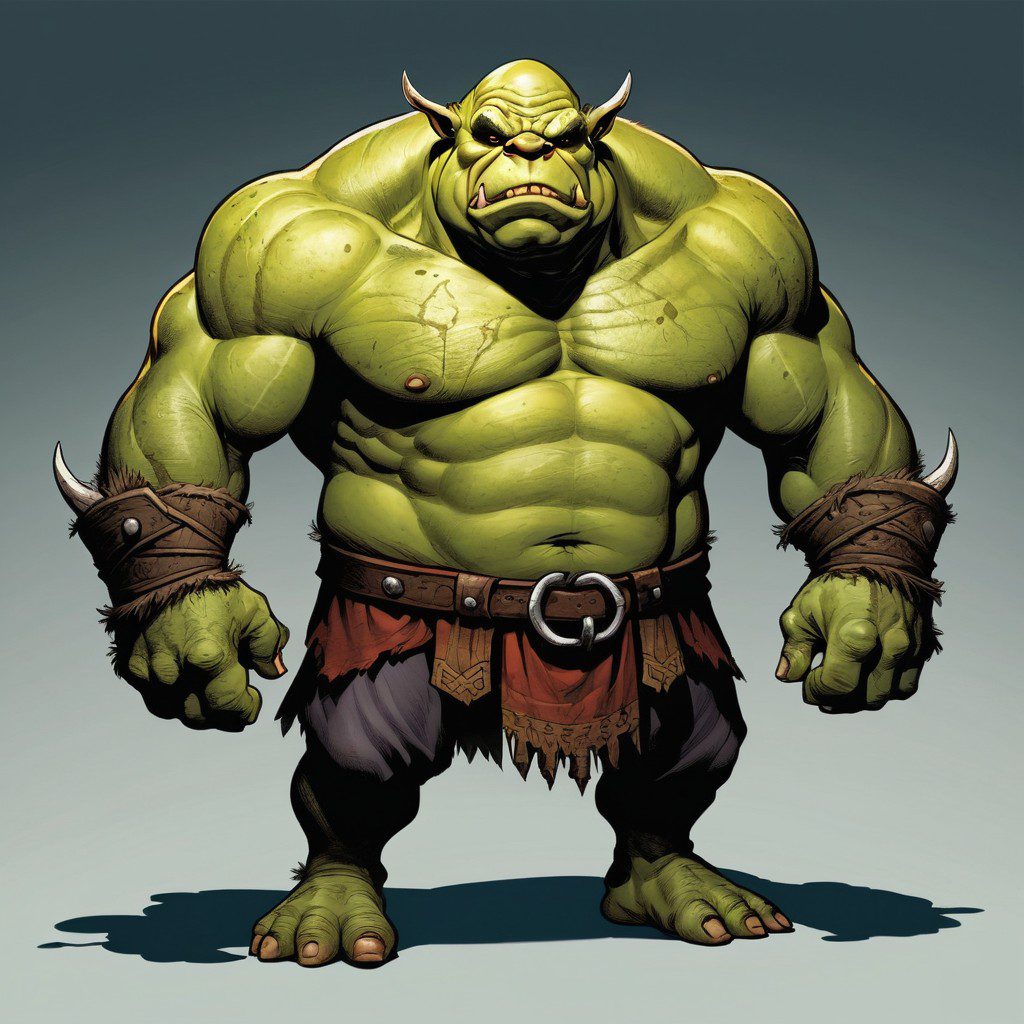
Shrek doesn't look like a venture capitalist, yet his swamp philosophy holds a masterclass in modern business survival. When you strip away the animated green ogre and the fairy-tale kingdoms, you're left with a gritty masterclass in boundary-setting, customer rejection, and ruthlessly efficient bootstrapping. Traditional corporate playbooks preach consensus, endless meetings, and relentless scaling. Shrek preaches something far more potent: building a business model that protects your core assets while ignoring the noise of the market.
Entrepreneurs today face a relentless tide of venture capital pressure, superficial networking, and pressure to scale before achieving product-market fit. This guide breaks down the unconventional business strategies inspired by everyone's favorite ogre. You'll learn how to protect your brand boundary, turn disgruntled customers into loyal advocates, and scale sustainably without losing your sanity or your swamp.
Protecting Your Operational Swamp: The Art of Boundary-Setting
Every successful business needs a defensible moat. In corporate finance, investors call this a competitive advantage. In Shrek's world, it's a literal swamp with a "Stay Out" sign nailed to a tree. Most founders fail because they try to please everyone from day one. They take on toxic clients, over-engineer products for features nobody asked for, and burn through capital trying to capture a massive total addressable market that doesn't care about their solution.
Setting strict operational boundaries isn't antisocial; it's a prerequisite for long-term survival. When Lord Farquaad dumps displaced fairy-tale creatures onto Shrek's property, Shrek doesn't hold a town hall or form a committee. He addresses the root cause of the disruption.
Why Niche Protection Beats Mass Appeal
- Resource Preservation: Spreading your team across ten different customer segments drains cash flow. Focusing on a single, highly specific niche ensures high retention.
- Operational Clarity: When your product solves one exact problem exceptionally well, your marketing message cuts through the noise of bloated competitors.
- Margin Defense: Specialized service providers can charge premium rates because clients can't easily find a drop-in replacement.
By treating your core product like a private swamp, you force the market to respect your value. Clients who don't fit your ideal customer profile will complain, but the ones who do will stay for years.
The Donkey Growth Hack: Leveraging Unlikely Partnerships
Every solo founder eventually hits a ceiling. You can't code, market, sell, and handle customer service forever. Shrek never wanted a companion, yet Donkey becomes his most vital strategic partner. Donkey brings relentless optimism, high-volume outreach, and social skills that Shrek completely lacks.
In business, your Donkey is the co-founder, contractor, or strategic partner who handles the domains you despise. If you're a technical founder who hates public speaking, you need a partner who excels at evangelism.
Rules for Choosing a Strategic Partner
- Complementary Skill Sets: Never partner with someone who has your exact resume. If both of you are visionaries, nobody executes the operational checklists.
- Aligned Risk Tolerance: A partner who panics during a cash-flow crunch will force bad decisions. Look for emotional resilience.
- Direct Communication: Donkey drives Shrek crazy, but Shrek tells him instantly when he crosses the line. Silence breeds resentment in business partnerships.
Unconventional alliances often unlock entirely new revenue streams. Shrek didn't plan to rescue a princess, but partnering with an eccentric talker opened doors to royalty, political leverage, and global brand recognition.
Challenging the Status Quo: Why Dragon-Slaying Requires Innovation
The classic fairy-tale playbook dictates that a knight rides in on a white horse, defeats the dragon with a gleaming sword, and rescues the damsel. Shrek rips up that playbook on day one. He walks into a crumbling castle, outsmarts the dragon through sheer agility and psychological misdirection, and discovers the damsel has agency of her own.
Market disruptors operate the same way. The established players in any industry rely on legacy cost structures and predictable customer habits. When a newcomer rewrites the rules, incumbents take months to respond because their internal bureaucracy slows them down.
Spotting Legacy Blind Spots in Your Industry
- Pricing Models: If competitors charge heavy upfront licensing fees, introduce a usage-based or outcome-driven model.
- Customer Onboarding: If legacy providers require a three-week setup process, build a self-serve onboarding flow that works in five minutes.
- Service Delivery: Look at where your competitors require human intervention and automate those touchpoints to slash overhead.
True innovation rarely comes from building a shinier sword. It comes from realizing you don't even need to fight the dragon the way everyone else has for the last fifty years.
The Onion Metaphor: Transparency, Branding, and Product Depth
"Ogres are like onions. Ogres have layers." This simple piece of wisdom applies directly to modern brand strategy. Shallow brands rely entirely on catchy logos and aggressive ad spend. Deep brands build products with multiple layers of utility, emotional resonance, and community value.
When customers first buy your product, they see the outer layer: the immediate utility that solves their headache today. But as they use it longer, they discover advanced features, educational resources, and a supportive user community.
Building Brand Layers That Retain Customers
- The Core Hook: The immediate, obvious benefit that closes the sale in ten seconds.
- The Operational Workflow: The intuitive day-to-day experience that makes your software or service indispensable.
- The Educational Ecosystem: The documentation, community forums, and masterclasses that help your users level up their own careers.
- The Cultural Identity: The shared values and inside jokes that turn ordinary buyers into vocal brand evangelists.
Companies that stop at the outer skin of marketing always lose to competitors who invest in deep product architecture and genuine utility.
Scaling Without Selling Out: Maintaining Integrity
The ultimate test of an entrepreneur arrives when the kingdom offers you everything you thought you wanted. Lord Farquaad promises Shrek his swamp back, completely cleared of squatters, in exchange for doing the dirty work of rescuing Fiona. It sounds like a dream deal until Shrek realizes the transaction compromises his core values and leaves innocent people at the mercy of a tyrant.
In the startup world, this mirrors the temptation to take venture capital from predatory investors who demand aggressive growth metrics that destroy your company culture and alienate your core users.
Red Flags When Scaling Your Business
- Pressure to Compromise Quality: If investors or partners want you to cut corners on safety, security, or customer service to hit quarterly revenue targets, walk away.
- Cultural Mismatch: If your new hires or enterprise clients demand corporate bureaucracy that stifles your team's agility, you're building a cage.
- Loss of Autonomy: Never sign terms that give outside parties control over your product roadmap if their incentives don't align with your long-term vision.
Shrek walks away from Farquaad's easy deal because keeping his integrity matters more than a quick fix. Sustainable businesses are built on saying no to the wrong money and the wrong partners, even when saying yes looks easier.
Frequently Asked Questions
What can entrepreneurs learn from fictional characters?
Fictional narratives strip away real-world bureaucracy to highlight fundamental human motivations. Stories like Shrek distill complex themes like boundary-setting, partnership dynamics, and systemic disruption into memorable, actionable archetypes.
How do I protect my business from toxic clients?
Define your ideal customer profile with absolute precision and charge premium rates for bespoke requests. When a client demands scope creep outside your core competencies, refer them to another provider rather than compromising your operational focus.
Is bootstrapping always better than taking venture capital?
Bootstrapping forces capital efficiency and absolute customer alignment, but it limits your speed in winner-take-all markets. The key is choosing funding partners who respect your operational autonomy and long-term product vision.
How can small businesses compete with industry giants?
Small businesses win by dominating narrow niches where giants are too slow to innovate. By offering hyper-personalized service, faster iteration cycles, and unique brand personalities, you can capture loyal segments that enterprise players ignore.
What is the biggest mistake first-time founders make?
First-time founders try to solve too many problems for too many people right out of the gate. Focusing on a single painful problem for a very specific audience creates the strong product foundation required for sustainable long-term growth.


