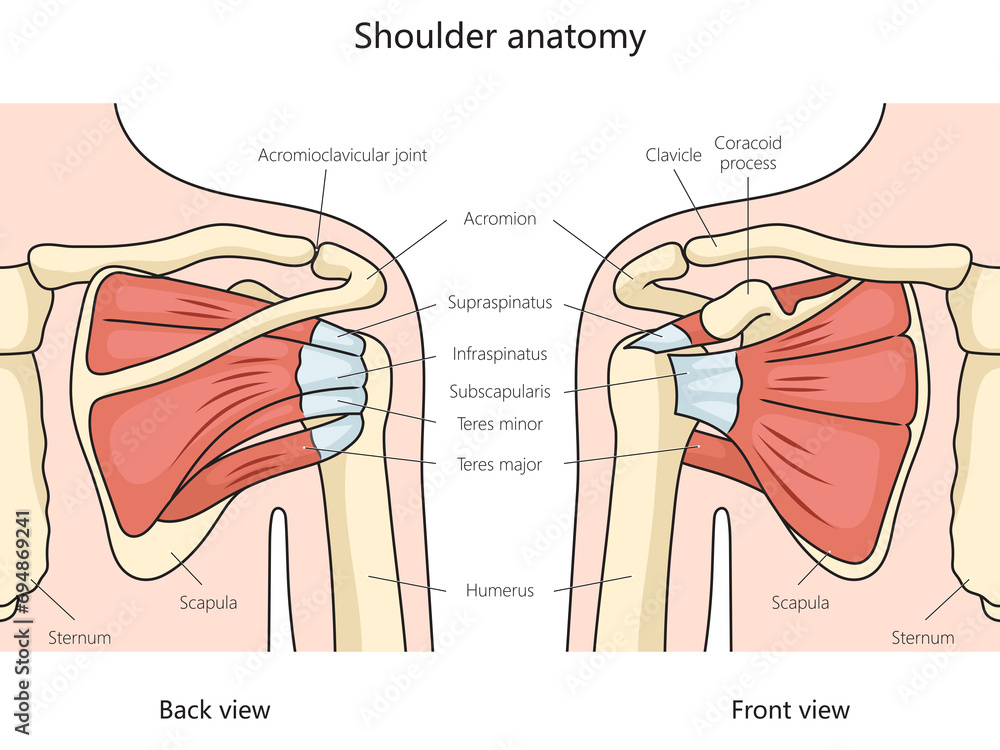
Shoulder and upper arm half sleeve tattoos combine structural muscle definition with high-impact visual storytelling. Extending from the top of the shoulder cap down to the crease of the elbow, this canvas allows artists to build continuous compositions that flow naturally with your anatomy. Whether you want a bold Japanese traditional sleeve, intricate geometric patterns, or stark black-and-grey realism, mapping out the shape of the upper arm ensures your ink looks dynamic whether your muscles are relaxed or flexed.
Planning a piece of this scale requires looking past individual flash sheets and understanding how a composition wraps around the deltoid and bicep. Let's break down the design styles, anatomical flow principles, session layouts, and aftercare realities that turn a standard tattoo into a masterpiece.
Anatomical Flow and Design Placement
The upper arm is not a flat canvas. It is a cylinder capped by a rounded muscle group. Poorly planned designs often warp or look disjointed when the arm moves. Successful half sleeves respect the natural muscle contours.
The deltoid muscle acts as the anchor point of the entire composition. Placing a primary focal point—such as a skull, a fierce animal portrait, a mandala, or a central crest—right on the outer shoulder draws the eye immediately. From there, secondary elements like smoke, waves, floral work, or geometric linework flow down the bicep and tricep, tapering neatly just above the elbow ditch.
- The Shoulder Cap: Best for circular or symmetrical motifs that command attention from a front or side profile.
- The Outer Bicep: Ideal for vertical narratives, portraits, or structured panels that remain stable when your arm hangs naturally.
- The Inner Arm: A more sensitive zone often reserved for background transitions, script, or delicate line elements that tie the inner and outer wrap together.
For broader design inspiration, organizations like the Smithsonian American Art Museum document historical shifts in body modification art, while major lifestyle publications like GQ regularly profile modern tattoo trends and leading international artists.
Popular Styles for Upper Arm Half Sleeves
Different artistic genres utilize the shoulder and upper arm anatomy in distinct ways. Choosing the right style depends on how much contrast you want and how the piece will age over decades.
Japanese Traditional (Irezumi)
Japanese half sleeves rely on bold black outlines, rich background wind bars, cherry blossoms, koi fish, or dragons. This style excels on the upper arm because the wind bars and water elements wrap seamlessly around the deltoid, hiding skin breaks and providing a cohesive, timeless look.
Black and Grey Realism
Portraits, clock faces, wildlife, and mythological statues rendered in soft gradients of black and grey look striking on the upper arm. The rounded muscle shape gives a 3D illusion to realistic shading, making portraits look lifelike when the arm moves.
Geometric and Neo-Tribal
Utilizing heavy blackwork, dotwork, and precise sacred geometry, these designs emphasize symmetry and muscle definition. Sharp lines accentuate the natural taper from the shoulder down to the elbow, creating an athletic, armored aesthetic.
Session Breakdown and Time Investment
A detailed upper arm half sleeve is rarely completed in a single sitting. Most pieces require anywhere from 10 to 30 hours of total work, split across multiple sessions depending on the intricacy and your personal pain tolerance.
- Session One (Outline & Structure): The artist lays down the foundational linework, establishing the major borders on the shoulder cap and elbow crease while mapping out the primary focal points.
- Session Two (Shading & Background): Deep black packing, gradients, and background textures are introduced to create depth and contrast.
- Session Three (Highlights & Polish): White highlights, final touch-ups, and intricate details are locked in after the initial swelling subsides.
Spacing these sessions three to four weeks apart is critical. Pushing skin too early before it finishes internal cellular repair leads to excessive trauma, ink blowout, or patchy color retention.
Managing Pain and Physical Recovery
Pain perception varies by exact location on the arm. The outer shoulder and upper bicep generally rate lower on the discomfort scale (around a 3 to 5 out of 10), making them manageable for longer sessions. However, getting closer to the armpit, the inner bicep, or right above the elbow joint increases sensitivity significantly.
Protecting your investment means coordinating your gym schedule with your healing timeline. Heavy upper body workouts cause muscle swelling and skin stretching that can push ink out of fresh wounds, leading to blurred lines or patchy healing.
- Halt upper body resistance training for at least two weeks post-session.
- Keep the fresh tattoo clean using mild, unscented soap and lukewarm water.
- Apply a thin layer of recommended ointment—avoid petroleum-heavy products that suffocate the healing skin.
- Wear loose, breathable cotton clothing to prevent friction and irritation.
Frequently Asked Questions
How much does a shoulder and upper arm half sleeve cost?
Pricing varies widely based on geographic location, studio reputation, and the artist's hourly rate. Most professional artists charge between $150 and $250 per hour. A complete half sleeve totaling 15 to 25 hours generally ranges from $2,500 to over $5,000, excluding tips.
Will a half sleeve tattoo stretch or distort if I gain muscle or weight?
Moderate muscle growth or weight fluctuation rarely ruins a well-designed upper arm tattoo. Artists specifically map designs around major muscle bellies like the deltoid and bicep so that the artwork flexes naturally with your body. Extreme, rapid weight changes or severe bodybuilding bulks can alter proportions over time.
How do I protect my half sleeve from fading over time?
UV rays break down tattoo pigment faster than almost any other factor. Daily application of high-SPF sunscreen when exposed to sunlight preserves the crisp contrast of blackwork and the vibrancy of color ink. Moisturizing regularly also keeps the skin elastic and prevents the surface from looking dull.
Can I cover up an old, poorly done tattoo on my shoulder?
Yes, the upper arm is an ideal canvas for a cover-up because the dense muscle shape and large surface area give artists plenty of room to incorporate darker, complex background elements. Consulting with an artist who specializes in cover-ups ensures the old linework is effectively masked by heavy shading or smart pattern placement.


