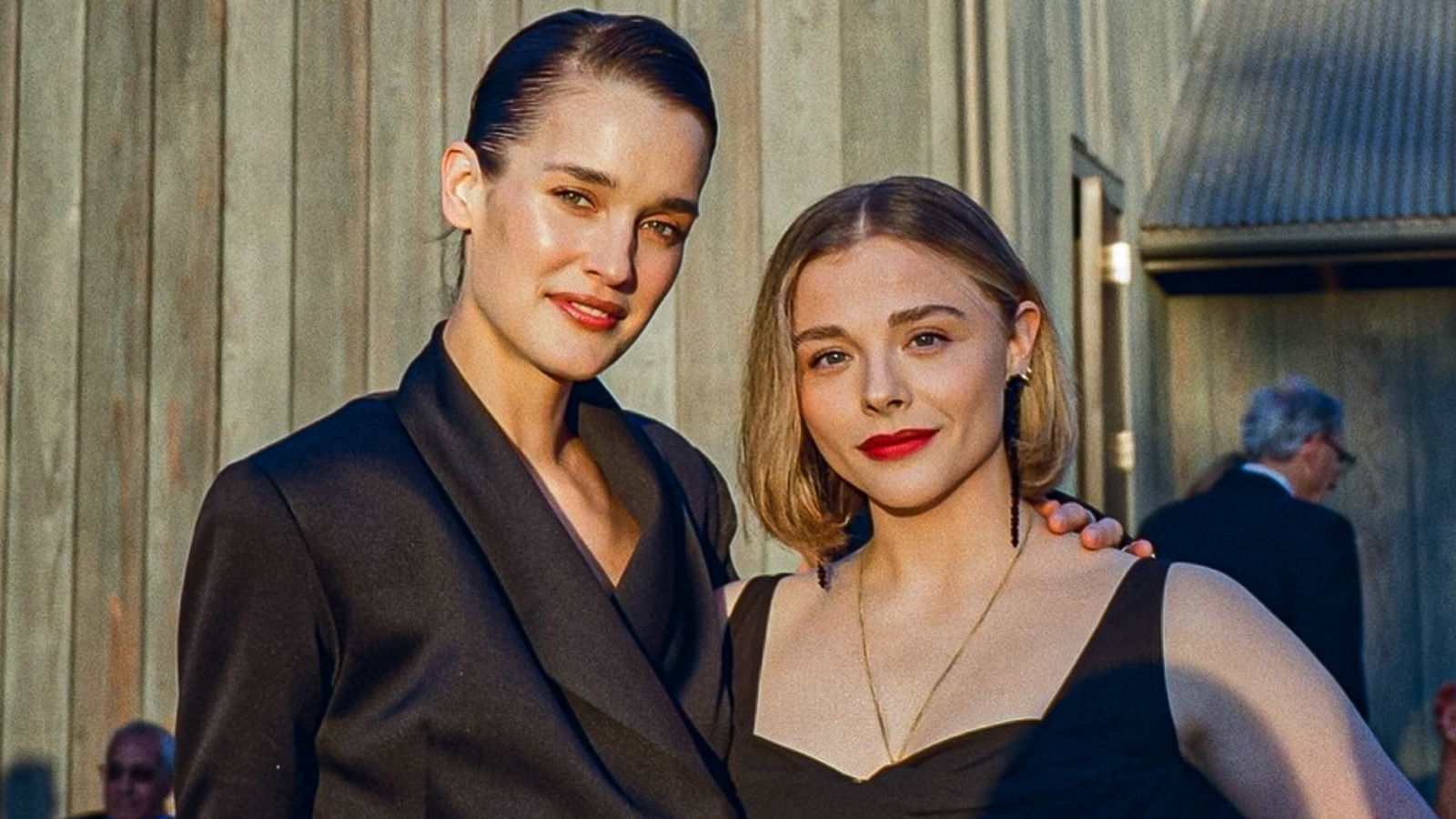
Short at the back and long in front hairstyles combine structural convenience with dramatic facial framing. By keeping the nape cropped close and allowing the front sections to extend downward, these cuts create natural elevation, define your jawline, and remove heavy bulk from the back of your head. If you want a cut that requires minimal daily fuss while offering endless styling options, this distinctive silhouette delivers.
Historically rooted in classic asymmetrical bobs and edgy punk-era wedges, this cut has evolved into a staple across modern salon menus. Unlike uniform lengths that hang flat or heavy bobs that require constant round-brushing, an angled cut leverages natural head shape. You get the coolness and cool-weather comfort of a short haircut combined with the face-flattering versatility of long locks right where you want them.
Anatomy of an Angled Haircut
Getting the right balance starts with understanding how the graduation works. Your stylist cuts the hair at the nape short, often tapering it cleanly into the neck using clippers or fine shears, and gradually increases the length toward the crown and face.
This graduation creates built-in volume at the crown without requiring mounds of teasing product. Because hair at the back is lighter, it won't weigh down or flatten against your collar. Meanwhile, the longer front pieces can fall past your chin or rest right along your collarbones, acting as frames for your facial features.
Choosing Your Base Cut
You can apply this graduated concept to several foundational haircuts depending on your hair density and personal aesthetic:
- The Inverted Bob: The most classic iteration. The back is neatly stacked with gentle layers, while sharp, clean lines angle down toward the chin or shoulders.
- The Asymmetrical Pixie: Ideal for fine or medium hair. One side might feature a longer sweeping fringe while the back remains tightly cropped and textured.
- The Modern Shag: Incorporates choppy layers throughout the back and crown, leaving longer, piecey strands framing the face for a relaxed, undone texture.
Matching Your Cut to Your Face Shape
Every face shape can wear short at the back and long in front hairstyles, but you need minor adjustments to the angle and graduation to ensure the cut flatters your bone structure.
Round and Square Faces
If you have a round face, you want a steeper angle that drops well below your chin. This elongates your profile and draws the eye downward. Keep the sides sleek rather than voluminous.
For square faces, soften harsh jawlines with curved lines and subtle texture rather than razor-sharp geometric points. Ask your stylist to incorporate soft, face-framing pieces that curve inward toward the mouth rather than hanging in a rigid straight line.
Oval and Heart Faces
Oval faces can carry almost any variation of this cut, from dramatic inverted lobs to choppy textured crops. You have the freedom to play with bangs, such as a blunt or textured fringe that meets the longer front panels.
Heart-shaped faces benefit from front sections that hit right around the chin or collarbone to add width near a narrow jaw. A side part works wonders here, breaking up a wider forehead and balancing your proportions.
Essential Daily Styling Techniques
Managing an angled cut doesn't take hours of practice, but it does require a targeted routine based on your hair texture.
Building Volume at the Back
Because the back is short, you want to prevent it from sticking out flat against your head. Work a lightweight texturizing spray or volumizing mousse into damp roots at the crown and nape. Blow-dry the back section using a small vent brush, directing the airflow downward to keep the hair smooth and close to the neck while lifting the crown.
Polishing the Front Layers
For the longer front pieces, your goal is control and shine. Apply a pea-sized amount of smoothing serum or styling cream from mid-length to ends before drying. If you want a sleek finish, pull the hair straight down with a paddle brush. If you prefer movement, wrap sections around a medium barrel curling iron for loose, modern bends.
Maintenance and Salon Upkeep
Because these cuts rely on precise geometry, they require regular upkeep to look intentional rather than grown out.
Plan on visiting your stylist every four to six weeks to clean up the nape and maintain the sharp angle at the front. If you let the back grow out too much, the distinctive silhouette disappears, turning your stylish cut into an awkward medium-length bob.
Between salon visits, you can manage your neckline at home if you're comfortable with detail trimmers, but it's usually best to leave the graduation to a professional who understands weight lines and corner rounding.
Common Mistakes to Avoid
- Skipping neck maintenance: Letting the back grow shaggy ruins the clean contrast that makes the style work.
- Overloading on heavy waxes: Fine hair at the nape will look greasy instantly if you use heavy pomades. Stick to lightweight mays and sprays.
- Ignoring hair texture: If you have tight curls, a sharp geometric angle requires daily flat-ironing; opt for a layered shag variation instead to work with your natural pattern.
Frequently Asked Questions
Can thin hair pull off this style?
Yes. In fact, stacking the back gives thin hair the illusion of density and volume that you can't get from a blunt one-length cut.
How often do I need a trim?
Every 4 to 6 weeks is ideal to keep the nape neat and maintain the clean angle of the front layers.
Will this style work with curly hair?
It certainly does, but your stylist needs to cut it dry or use specific layering techniques so the curls spring up evenly without looking lopsided.
How do I stop the back from sticking out?
That usually happens when hair is cut too short right at the crown's growth whorl. Use a lightweight styling paste while damp and blow-dry downward with tension to train the hair flat.



